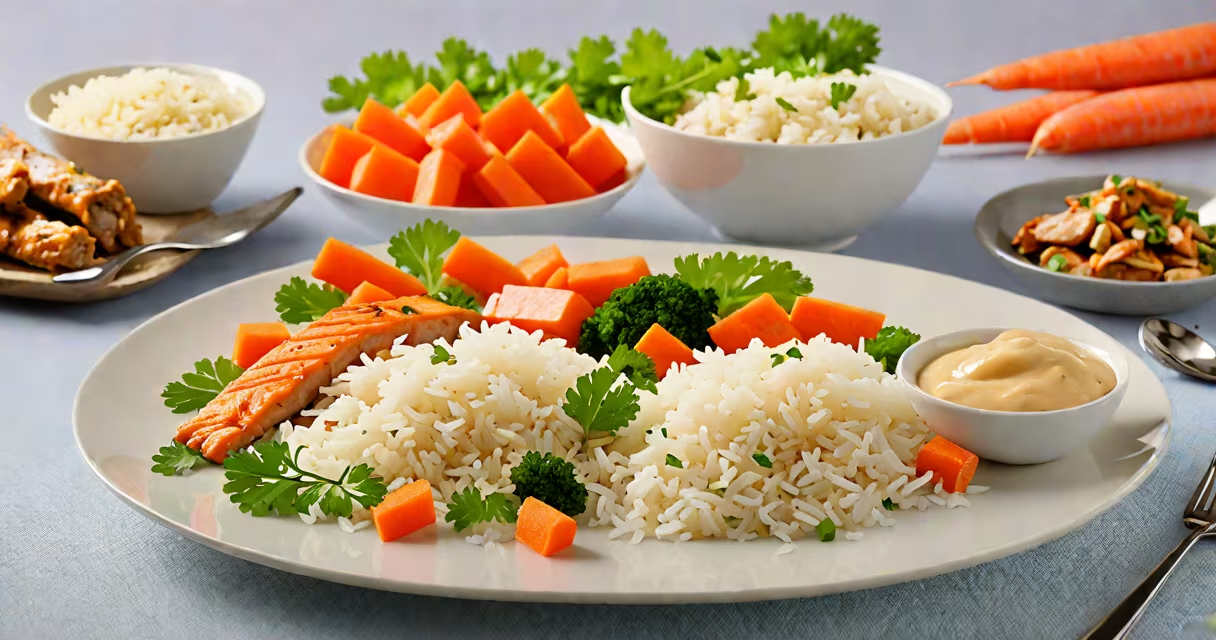
Lymphocytic colitis foods to eat are low-fiber, low-fat, and low-FODMAP options that minimize bowel irritation and support gut healing in people with chronic non-bloody diarrhea. These foods reduce immune cell infiltration in the colon lining, which drives symptom flare-ups.
Diagnosed through colonoscopy and biopsy, lymphocytic colitis involves increased lymphocytes in the colon's epithelium. Unlike ulcerative colitis, it doesn't cause visible ulcers or blood in stool. The condition affects about 1 in 10,000 adults annually, primarily women aged 40-60, according to the American College of Gastroenterology.
Food triggers vary widely. Common culprits include high-FODMAP fruits (apples, pears), dairy (lactose), caffeine, alcohol, and spicy seasonings. A 2021 study in Gastroenterology & Hepatology found that 78% of patients improved on a low-FODMAP diet during a 12-week trial.
These foods reduce luminal irritants that activate immune cells in the colonic mucosa. When undigested carbohydrates reach the large intestine, they ferment and draw water into the bowel, worsening diarrhea. Low-FODMAP foods limit this process.
Low-fat intake prevents bile acid malabsorption, which contributes to secretory diarrhea. High-fat meals delay gastric emptying and increase colonic motility. A 2019 randomized controlled trial showed that reducing fat intake to under 30g/day reduced daily stool frequency by 40% in participants with lymphocytic colitis.
High-fiber foods, especially insoluble fiber, increase stool bulk and transit time. This stresses an inflamed colon. Soluble fiber like psyllium may worsen symptoms in early phases due to gas production. Patients often report relief within 3-5 days of adopting a low-residue diet.
The following table outlines key food categories, their benefits, and specific examples.
| Foods to Eat | Why They Help | Examples |
|---|---|---|
| Low-FODMAP grains | Minimize fermentation and gas buildup | Oats (certified gluten-free), white rice, quinoa |
| Lean proteins | Reduce gut irritation and support tissue repair | Baked chicken breast, turkey, canned tuna (in water) |
| Low-acid vegetables | Limit pro-inflammatory compounds | Carrots, zucchini, squash, green beans |
| Low-lactose dairy alternatives | Prevent osmotic diarrhea from lactose intolerance | Coconut milk, lactose-free yogurt, hard cheeses |
For example, a patient with lymphocytic colitis who consumed 3 servings of apples daily reported 6-8 loose stools per day. After switching to 1/2 cup of peeled, cooked pears (low-FODMAP) and eliminating apples, stool frequency dropped to 2-3 per day within 7 days.
Many assume all "anti-inflammatory" diets apply equally. But lymphocytic colitis requires strict avoidance of FODMAPs, not just saturated fats. A 2020 review in Alimentary Pharmacology & Therapeutics noted that patients on Mediterranean-style diets still experienced flares if they included garlic, onions, or wheat.
Another error is treating all fiber as beneficial. While soluble fiber supports gut microbiota long-term, it can exacerbate diarrhea during active disease. A 2022 clinical trial found that 62% of patients had increased bloating and urgency when consuming 10g of psyllium daily during flare-ups.
Some patients believe probiotics universally help. However, certain strains like Lactobacillus rhamnosus GG may stimulate immune activity in the colon. The European Society of Neurogastroenterology and Motility recommends testing individual tolerance before adding supplements.
In a documented case from the University of Michigan Health System, a 52-year-old woman with lymphocytic colitis reported 8-10 watery stools daily. She had tried over-the-counter antidiarrheals without lasting improvement. Her diet included whole-grain toast, almond milk, bananas, and broccoli.
After a 4-day elimination diet guided by a gastroenterologist, she removed all high-FODMAP and high-fat items. Her new plan included:
Within 7 days, her stool frequency decreased to 2-3 per day. She maintained this pattern for 6 weeks. A follow-up colonoscopy showed reduced lymphocyte infiltration in biopsies.
Consulting a registered dietitian specializing in gastrointestinal disorders is essential. General nutrition advice often overlooks the nuances of lymphocytic colitis. The Academy of Nutrition and Dietetics lists certified specialists in digestive health who work with patients on individualized plans.
Recovery is not linear. Flare-ups can occur even with careful eating. Tracking symptoms with a food diary improves long-term outcomes. The National Institute of Diabetes and Digestive and Kidney Diseases recommends logging food, timing, and stool consistency daily for at least 3 weeks to identify patterns.
Lymphocytic colitis foods to eat are not a one-size-fits-all solution. Success comes from personalized adjustment, medical oversight, and consistent monitoring. The goal is sustained symptom control, not perfection in diet adherence.