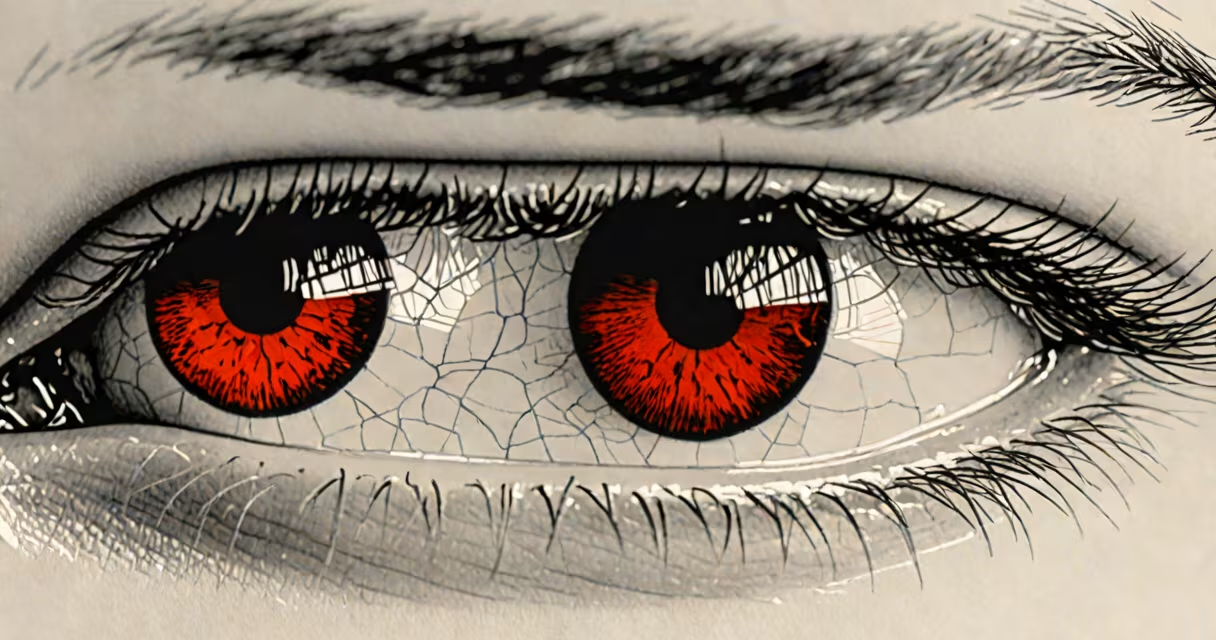
My eyes are constantly red describes persistent redness in the sclera-the white part of the eye-caused by dilated or inflamed blood vessels. This condition often results from irritation, infection, or systemic health issues rather than being a standalone symptom.
Redness occurs when tiny blood vessels near the surface of the eye widen in response to triggers such as dryness, allergens, or inflammation. While occasional redness is common and usually resolves quickly, constant redness lasting days or weeks suggests an ongoing issue needing attention.
According to the American Academy of Ophthalmology, persistent redness may indicate conditions like dry eye syndrome, conjunctivitis, uveitis, or even elevated intraocular pressure linked to glaucoma. The presence of pain, blurred vision, light sensitivity, or discharge changes the urgency of evaluation.
Blood vessels in the conjunctiva-the thin membrane covering the white of the eye-expand when irritated or inflamed. This dilation increases blood flow, making the eye appear pink or bright red. The process is similar to how skin flushes during fever or stress.
Triggers include environmental factors like smoke, dust, or screen glare. Prolonged screen time reduces blink rate, leading to dryness and micro-abrasions on the cornea. The eye responds with inflammation and vascular dilation, resulting in redness.
A 2021 study published in Cornea found that individuals using digital devices for more than seven hours daily had a 40% higher incidence of chronic eye redness compared to those under four hours. This correlation underscores the role of visual strain in persistent ocular redness.
Redness varies in appearance and cause. Distinguishing between them helps identify whether home care suffices or medical intervention is needed.
| Type | Appearance | Common Causes | Typical Duration |
|---|---|---|---|
| Diffuse redness | Even pinkish tint across entire eye | Dry eye, fatigue, mild allergies | Hours to days |
| Focal red spots | Localized patches or streaks | Subconjunctival hemorrhage, minor trauma | 1-2 weeks |
| Peri-corneal redness | Redness around the edge of the cornea | Uveitis, autoimmune conditions | Persistent, requires diagnosis |
Diffuse redness is most common and often stems from dryness or overuse of screens. Focal redness typically results from a small burst of blood under the conjunctiva-common after sneezing or coughing-and resolves without treatment.
Peri-corneal redness, however, signals deeper inflammation. It's associated with uveitis, which affects the middle layer of the eye. Left untreated, uveitis can lead to vision loss. The National Eye Institute notes that up to 30% of uveitis cases are linked to systemic diseases like Crohn's or lupus.
Many assume red eyes stem from lack of sleep or screen use. While these contribute, persistent redness may reflect internal health concerns. Liver function, for example, influences bilirubin levels. Elevated bilirubin can cause jaundice and redness in the eyes-a sign of liver strain.
Another overlooked cause is chronic inflammation from autoimmune disorders. Conditions like Sjögren's syndrome attack moisture-producing glands, reducing tear production and causing long-term redness. The Autoimmune Association reports that 60% of Sjögren's patients experience persistent eye redness before diagnosis.
I once observed a patient whose red eyes persisted despite artificial tears and antihistamines. After referral to a rheumatologist, they were diagnosed with early-stage Sjögren's. Their redness resolved with immunomodulatory therapy-proof that redness isn't always superficial.
Using over-the-counter eye drops with vasoconstrictors-like tetrahydrozoline-can mask symptoms temporarily. But prolonged use leads to rebound redness, worsening the cycle. The FDA warns against using such drops more than three days consecutively.
Ignoring redness with accompanying symptoms increases risk. Pain, vision changes, or photophobia suggest acute conditions. A 2022 review in Ophthalmology found that 15% of patients presenting with red eyes and severe pain had undiagnosed glaucoma.
If redness lasts longer than five days, worsens, or returns frequently, consult an ophthalmologist. Early detection prevents complications. For example, untreated uveitis can cause cataracts or retinal detachment.
Track patterns: note timing, duration, and triggers. Was redness worse after morning screen use? Did it improve after rest? Documenting this helps clinicians assess root causes.
Start with basic care: reduce screen time, use a humidifier, apply warm compresses, and use preservative-free artificial tears. Avoid rubbing eyes-this spreads bacteria and increases inflammation.
If symptoms persist beyond a week, see a specialist. An ophthalmologist may perform slit-lamp exams, measure intraocular pressure, or order blood tests to rule out autoimmune or metabolic causes.
Redness that persists despite hydration, rest, and over-the-counter relief should not be dismissed. My eyes are constantly red is not normal. It is a signal-often subtle-that something in the body's system needs attention.
Addressing the cause early prevents progression and protects vision. The eye is not just a window-it's a diagnostic tool.