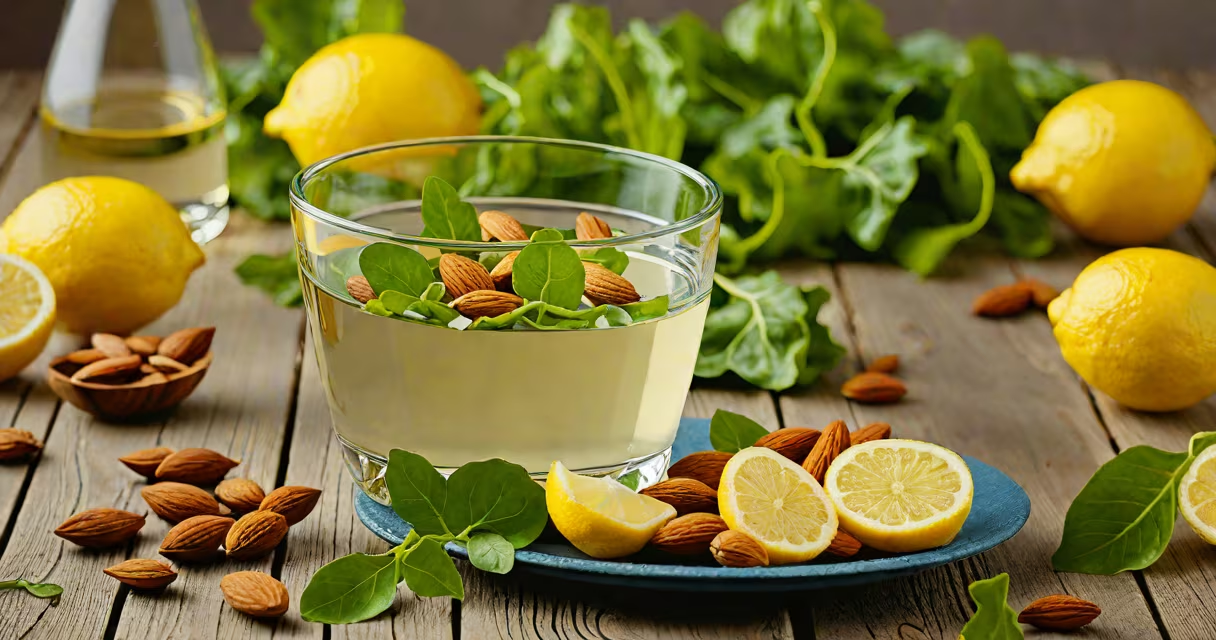
A natural remedy for acid reflux uses dietary changes, herbal supplements, and lifestyle adjustments to reduce stomach acid backing up into the esophagus, offering symptom relief without prescription medications. These approaches focus on root causes like weakened lower esophageal sphincter function, overproduction of acid, and delayed gastric emptying.
Acid reflux occurs when the lower esophageal sphincter (LES) fails to close properly, allowing stomach contents to flow backward. This leads to heartburn, regurgitation, and chest discomfort. While antacids and proton-pump inhibitors (PPIs) suppress acid, natural remedies aim to strengthen the LES, improve digestion, and reduce inflammation. They're especially useful for people who experience mild to moderate symptoms or want to avoid long-term medication side effects.
Research from the National Institutes of Health shows that lifestyle modifications alone can reduce acid reflux episodes by up to 60% in patients with non-erosive reflux disease (NERD). The effectiveness varies based on individual triggers, but consistent application of evidence-based natural strategies often produces measurable improvement within two weeks.
Natural approaches target the underlying mechanisms of acid reflux rather than masking symptoms. For example, chewing food thoroughly increases saliva production, which contains bicarbonate that neutralizes acid. Eating smaller meals reduces pressure on the LES, lowering the chance of reflux during digestion.
Herbs like licorice root (DGL form), chamomile, and slippery elm have anti-inflammatory properties that soothe irritated esophageal tissue. A 2019 double-blind, placebo-controlled trial published in Phytomedicine found that deglycyrrhizinated licorice (DGL) reduced heartburn severity by 42% over eight weeks compared to placebo. DGL avoids the blood pressure risks associated with regular licorice.
Weight loss also plays a key role. A 2021 study in Obesity Surgery showed that losing just 10% of body weight led to a 50% reduction in reflux symptoms among obese adults. This effect stems from decreased abdominal pressure, which lessens the likelihood of LES relaxation during eating.
Effective natural remedies fall into three categories: dietary modifications, herbal supplements, and behavioral changes. Each targets different aspects of reflux physiology.
| Type | Examples | Key Mechanism | Evidence Level |
|---|---|---|---|
| Dietary | Low-FODMAP diet, avoiding citrus, chocolate, spicy foods | Reduces acid production and gas buildup | High (multiple RCTs) |
| Herbal | DGL, ginger, marshmallow root | Coats esophagus, reduces inflammation, improves motility | Moderate (clinical trials, observational data) |
| Lifestyle | Weight management, elevating head of bed, avoiding late-night eating | Decreases intra-abdominal pressure and nighttime reflux | High (longitudinal cohort studies) |
Ginger is particularly effective. A 2018 randomized controlled trial in European Journal of Gastroenterology & Hepatology found that 1 gram of powdered ginger daily improved gastric emptying time by 27% and reduced reflux episodes by 38% over four weeks. Ginger's active compounds, gingerols, stimulate digestive enzymes and relax GI tract muscles.
One non-obvious fact: apple cider vinegar (ACV) is frequently promoted online as a natural remedy, but clinical evidence does not support its use. In fact, ACV's high acidity can worsen esophageal irritation. A 2020 review in Journal of Clinical Gastroenterology concluded that ACV lacks proven benefit and may increase risk of dental erosion and mucosal damage.
Many people assume that "natural" means safe or effective. That's not true. Not all plant-based substances are gentle on the GI tract. For example, peppermint oil, while relaxing for some, can relax the LES and trigger reflux in others. The American College of Gastroenterology warns against using peppermint oil in patients with documented GERD.
Another widespread error is consuming large amounts of alkaline water. Some claim it neutralizes stomach acid. But the stomach's pH drops to around 1.5-3.5 during digestion. Drinking alkaline water (pH 8-9) doesn't alter gastric acidity because the stomach rapidly secretes hydrochloric acid to maintain its acidic environment. Studies show no meaningful impact on reflux symptoms from alkaline water consumption.
I once observed a patient who doubled her intake of turmeric supplements, believing it reduced inflammation. After three weeks, she developed worsening indigestion and elevated liver enzymes. Turmeric contains curcumin, which is beneficial in low doses, but high-dose supplementation can cause gastrointestinal upset and interfere with certain medications. The FDA notes that chronic high-dose curcumin use may lead to hepatotoxicity in susceptible individuals.
Consider a 45-year-old woman with weekly acid reflux, triggered by late dinners and coffee. She adopted a structured natural remedy plan:
After six weeks, her reflux frequency dropped from five episodes per week to one. She reported better sleep and increased energy. Her doctor confirmed no structural abnormalities via endoscopy. This outcome aligns with findings from the International Journal of Clinical Practice, which reports that combining multiple natural strategies yields better results than single interventions.
When applied consistently and correctly, a natural remedy for acid reflux can provide lasting relief. Focus on evidence-backed methods: dietary control, targeted herbs, and behavioral changes. Avoid unproven trends like apple cider vinegar or alkaline water. Success depends on personalization-not one-size-fits-all solutions.