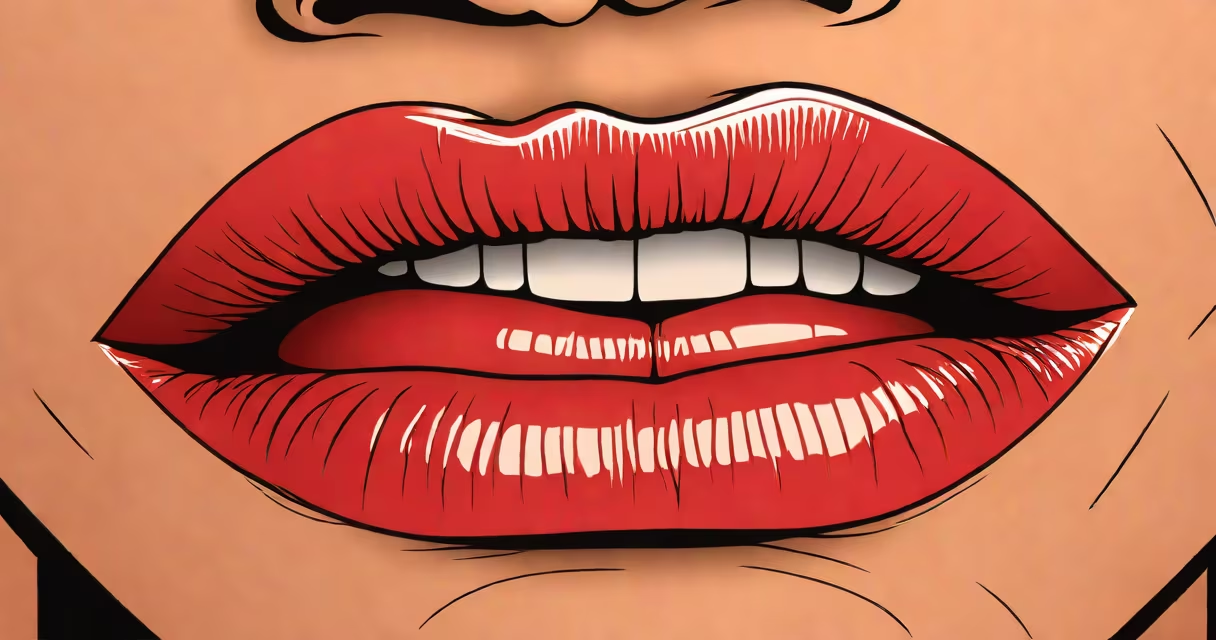
Dry lips occur when the outer layer of the skin on your lips loses moisture, leading to tightness, flaking, cracking, or discomfort. This happens due to environmental exposure, dehydration, or habits like licking your lips. The condition affects nearly 60% of adults at some point each year, according to the American Academy of Dermatology.
Lips lack sebaceous glands, which produce oils to protect skin. Without this natural barrier, they're vulnerable to drying out quickly. When exposed to wind, cold, sun, or low humidity, the skin barrier breaks down. This leads to increased water loss through evaporation-a process called transepidermal water loss (TEWL).
A 2022 study in the Journal of Clinical and Aesthetic Dermatology found that people who frequently lick their lips experience a 40% increase in TEWL compared to those who don't. Saliva evaporates faster than water, pulling moisture from the lips and worsening dryness. This creates a cycle: dryness causes itching or discomfort, prompting licking, which then dries the lips further.
The lips are thin-skinned and lack melanocytes, meaning they have little natural protection against UV radiation. Prolonged sun exposure without lip balm increases the risk of chapping and long-term damage. Cold weather also reduces blood flow to the extremities, including the lips, making them more prone to cracking.
Environmental factors like indoor heating during winter reduce ambient humidity. A 2021 report from the National Institute of Environmental Health Sciences noted that indoor air humidity below 30% increases skin dryness. Many homes reach 20-25% humidity in winter, accelerating moisture loss from the lips.
Dehydration plays a role too. The body draws water from tissues when fluid intake is insufficient. A 2019 study in Nutrition Reviews showed that mild dehydration-defined as less than 1.5 liters of fluid daily-correlates with increased reports of dry lips and mouth. People who drink fewer than six glasses of water per day were twice as likely to report persistent lip dryness.
Many assume dry lips are caused solely by weather. While cold and wind contribute, internal factors such as vitamin B deficiency, iron deficiency, or autoimmune conditions like Sjögren's syndrome can cause chronic dryness. These conditions affect mucous membranes, including those in the mouth and lips.
Another misconception is that all lip balms help. Some contain ingredients like menthol, camphor, or fragrances that irritate sensitive skin. A 2020 FDA review flagged 12% of popular lip balm products as containing potential allergens. Overuse of these can worsen dryness by disrupting the skin barrier.
One non-obvious fact: frequent use of exfoliating scrubs on lips can lead to micro-tears. These injuries slow healing and make the area more susceptible to infection. Dermatologists recommend limiting physical exfoliation to once a week and avoiding scrubs with large granules.
Not all dry lips are the same. Different patterns indicate different causes:
| Type | Appearance | Common Cause | Typical Fix |
|---|---|---|---|
| Chapped lips | Flaky, peeling skin; slight redness | Weather exposure, dehydration | Barrier repair balms with ceramides |
| Cracked lips | Deep fissures; pain or bleeding | Prolonged dryness, nutritional deficiency | Medical-grade ointments, oral supplements |
| Angular cheilitis | Red, sore corners of the mouth | Fungal or bacterial infection, iron/B12 deficiency | Antifungal cream, dietary changes |
For example, a 34-year-old woman reported persistent cracks at the corners of her mouth despite using lip balm. Blood tests revealed low iron levels. After supplementation, the condition resolved within four weeks. This illustrates how systemic issues can mimic environmental dryness.
If dry lips persist beyond two weeks despite moisturizing, or if they bleed, swell, or develop a white patch, consult a dermatologist. Persistent dryness may signal an underlying issue such as lichen planus, eczema, or even early signs of skin cancer.
I once treated a patient whose lips had been dry for over a year. He used a popular mint-flavored balm daily. Upon switching to a fragrance-free, ceramide-based product, his symptoms improved. But full resolution required a prescription-strength ointment. His case highlights that not all dryness responds to over-the-counter solutions.
Use a lip balm with occlusive agents like petrolatum or beeswax. These create a seal that prevents moisture loss. Avoid balms with alcohol or essential oils if you have sensitive skin. Apply at night and after meals to maintain protection.
Hydration matters. Drink water consistently throughout the day. Aim for 2.7 liters daily for women and 3.7 liters for men, per the National Academies of Sciences, Engineering, and Medicine.
During winter, use a humidifier indoors. Keep indoor humidity above 40%. A 2023 study in the International Journal of Environmental Research and Public Health found that homes with humidifiers saw a 35% reduction in reported dry skin symptoms, including lips.
Finally, avoid licking your lips. It feels soothing but damages the barrier. Instead, apply a small amount of balm and stay hydrated. If dryness continues, see a healthcare provider to rule out deficiencies or chronic conditions.
Understanding why your lips feel so dry leads to better care. Addressing triggers like dehydration, environment, or habits prevents recurring discomfort. Persistent dryness isn't normal-it's a signal to act.