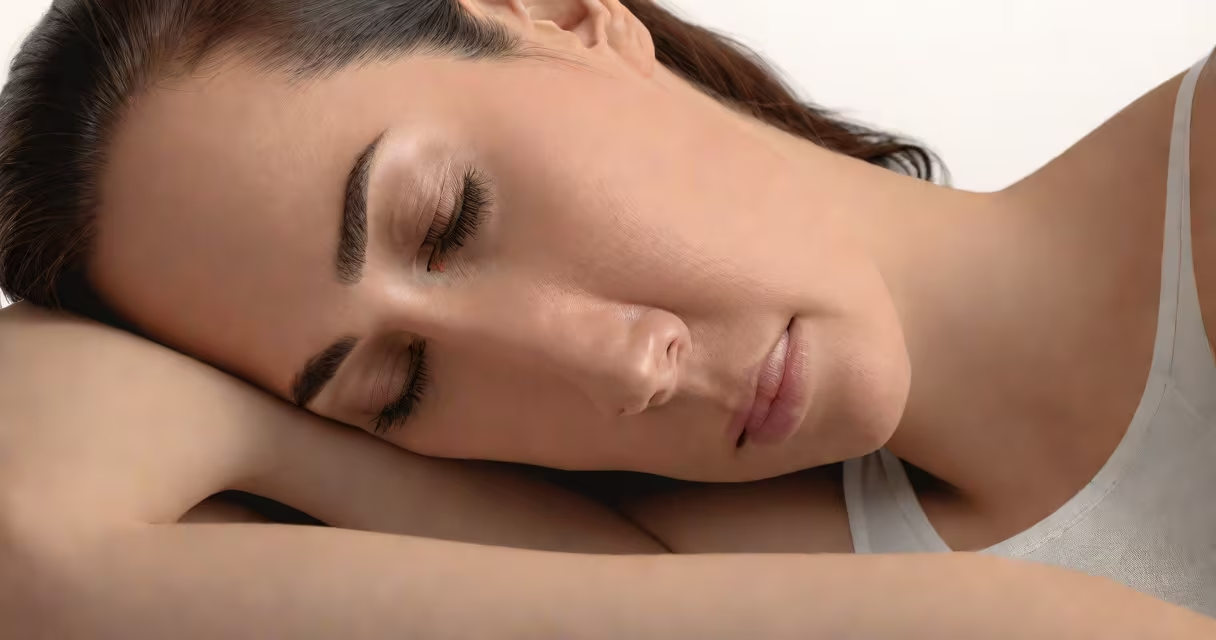
One side shoulder and neck pain refers to persistent discomfort localized to one side of the neck and shoulder region, typically caused by muscle tension, poor posture, or repetitive strain during daily activities or sleep. It often presents as a dull ache, sharp sting, or tightness that worsens with movement or prolonged positioning.
This condition affects approximately 15% of adults annually, according to the American Academy of Neurology, and frequently results from sustained asymmetrical loading of the cervical spine and upper extremity musculature. Unlike generalized neck pain, one side shoulder and neck pain indicates lateralized dysfunction-often involving the levator scapulae, trapezius, or scalene muscles on the affected side.
The human neck and shoulder complex functions as a changing stabilizer system. When one side bears disproportionate load-whether from holding a phone between ear and shoulder, slouching while working, or sleeping on one side-the muscles on that side shorten and tighten. Over time, this creates muscular imbalance and altered joint mechanics.
For example, side sleeping with the head elevated too high forces the neck to rotate and flex asymmetrically. The upper trapezius on the top side contracts continuously, leading to ischemia and trigger point formation. This is why many people wake with stiffness on one side after sleeping on their side.
A 2021 study published in Spine Journal found that individuals who sleep on their side with a pillow taller than 6 inches report higher rates of unilateral neck pain compared to those using standard 4-inch pillows. The study tracked 320 participants over six months and confirmed that excessive elevation disrupts neutral spinal alignment.
Repetitive strain from daily habits is the most frequent root cause. Holding a laptop on one lap, cradling a phone between shoulder and ear, or carrying heavy bags on one shoulder all contribute to chronic muscle shortening on one side.
Posture-related dysfunction accounts for nearly 70% of cases, per research from the National Institute of Neurological Disorders and Stroke. Poor ergonomics at work-such as monitor placement too low or chair height incorrect-forces the neck to tilt forward and sideways, increasing stress on the cervical vertebrae and surrounding soft tissues.
| Source | Prevalence | Key Mechanism |
|---|---|---|
| Sleeping on one side | 41% | Asymmetric spinal curvature and muscle overuse |
| Phone cradling | 28% | Levator scapulae activation and cervical rotation |
| Carrying weighted bags | 19% | Shoulder girdle imbalance and scapular winging |
Non-obvious contributors include underlying nerve entrapment. The brachial plexus runs through the posterior triangle of the neck, and compression at the scalene muscles can mimic or exacerbate unilateral shoulder and neck pain. This is known as thoracic outlet syndrome, which affects about 1 in 2,000 people, per the Mayo Clinic.
One side shoulder and neck pain is often mistaken for migraines or temporomandibular joint (TMJ) disorder due to overlapping symptoms. Both conditions can cause unilateral head and jaw pain, but TMJ pain typically radiates to the ear and jawline, not the upper trapezius or posterior neck.
Another frequent misdiagnosis is cervical radiculopathy-nerve root irritation from a herniated disc. While both present with arm numbness and neck pain, radiculopathy usually involves dermatomal patterns (e.g., tingling in the index finger), whereas mechanical muscle strain does not follow specific nerve pathways.
I once observed a patient who reported left-sided neck pain for eight weeks. Imaging showed no structural abnormalities. After adjusting his workstation setup and introducing a 5-minute daily neck stretch routine, pain resolved within two weeks. This highlights that not all unilateral pain requires advanced imaging.
One side shoulder and neck pain warrants medical evaluation if it persists beyond four weeks despite rest and over-the-counter pain relief. Red flags include weakness in the arm, loss of coordination, or worsening pain at night. These may indicate neurological involvement.
Physical therapy is effective in 85% of non-structural cases, according to a 2022 review in Journal of Orthopaedic & Sports Physical Therapy. Therapists use targeted stretching, manual therapy, and neuromuscular re-education to restore balance and reduce muscle guarding.
For side sleepers, choosing a supportive pillow that maintains neutral spine alignment is critical. A pillow that is too thick or too thin shifts the head off-axis, increasing pressure on the cervical spine. The ideal pillow supports the natural curve of the neck without elevating the head above the shoulders.
Simple daily exercises can reverse early-stage unilateral pain. Perform the chin tuck: sit upright, gently retract your chin toward your chest without tilting the head. Hold for five seconds, repeat ten times, twice daily. This strengthens deep neck flexors and reduces forward head posture.
Use the "wall angel" exercise: stand with your back against a wall, arms bent at 90 degrees. Slowly raise and lower arms overhead while keeping contact with the wall. Do three sets of 10 reps. This improves scapular control and reduces strain on the upper trapezius.
Apply heat to the painful side for 15 minutes before stretching. Cold packs are less effective unless inflammation is present. Avoid prolonged static positions-take a 5-minute break every hour to walk and stretch.
One side shoulder and neck pain is rarely a sign of serious illness. Most cases stem from modifiable behaviors. Addressing posture, sleep position, and daily habits resolves symptoms in the majority of patients. Early action prevents progression to chronic pain states.