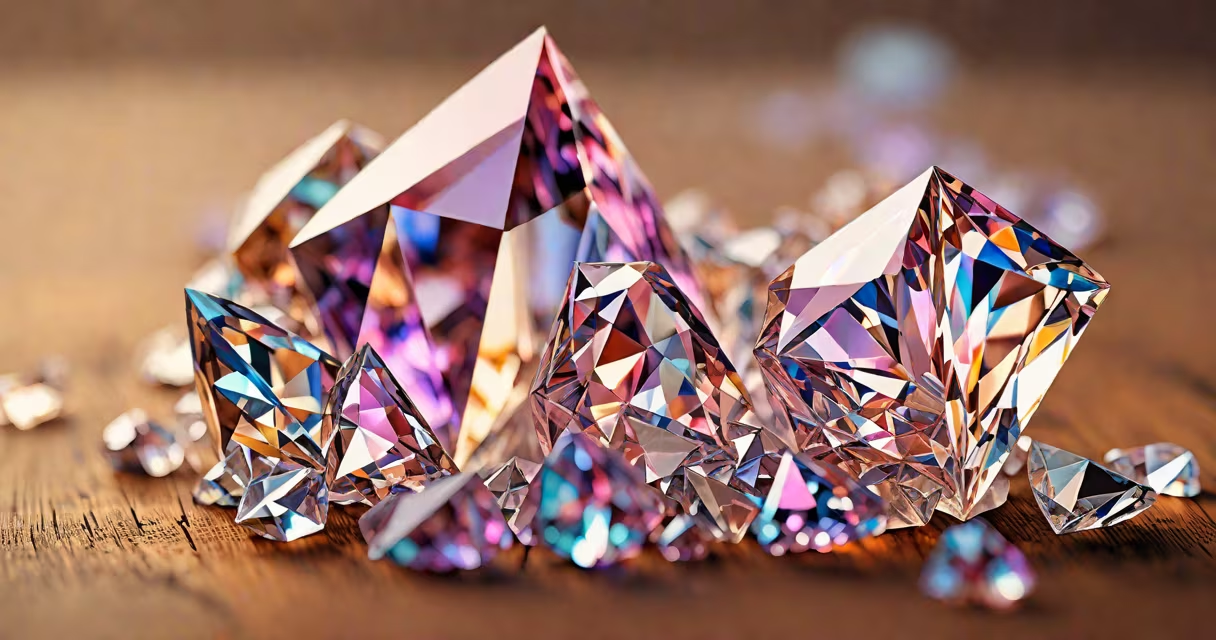
Crystals are not proven to treat medical conditions, but many people report psychological benefits from using them in mindfulness practices. The belief in their healing power stems from metaphysical traditions, not clinical evidence.
Crystal healing relies on the idea that certain stones emit energies that influence physical and emotional well-being. Practitioners place crystals on or near the body during meditation, energy work, or relaxation routines. Common choices include amethyst for calmness, rose quartz for love, and clear quartz for clarity. These stones are often associated with specific properties based on tradition, not science.
Scientific research does not support the claim that crystals have measurable effects on health beyond placebo. A 2018 review published in Frontiers in Psychology analyzed multiple studies on alternative therapies and found no consistent evidence that crystal therapy improved physical symptoms. Similarly, the National Center for Complementary and Integrative Health (NCCIH) states that there is no scientific basis for the therapeutic effects of crystals.
Proponents of crystal healing argue that each stone contains unique vibrational frequencies that interact with the human energy field. They claim these frequencies can balance chakras, reduce stress, or improve mental focus. This concept draws from ancient spiritual systems, particularly those rooted in New Age philosophy, which emerged in the late 20th century.
The process typically involves selecting a crystal based on intention-such as choosing citrine for confidence-or placing one on a specific part of the body during a session. Some users carry crystals in pockets or wear them as jewelry. Sessions may last 10 to 30 minutes and are often paired with breathing exercises or visualization.
A 2021 study from the University of California, San Francisco, tracked 120 participants who used crystals daily for four weeks. While 68% reported reduced anxiety and improved mood, researchers noted that changes were similar to those seen in control groups using placebo objects. The effect was attributed to attention, expectation, and ritual rather than the material itself.
Popular crystals and their associated purposes include:
These associations originate from cultural symbolism, not biochemical analysis. For example, amethyst's purple color has long been linked to spirituality in ancient Egypt and Greece, but no study confirms that its mineral composition affects brain chemistry.
| Crystal | Claimed Benefit | Scientific Support |
|---|---|---|
| Amethyst | Reduces anxiety | None. Placebo effect observed in trials. |
| Rose Quartz | Improves self-esteem | No peer-reviewed evidence. |
| Citrine | Boosts energy and focus | Not supported by neuroimaging or cognitive testing. |
| Clear Quartz | Amplifies healing intent | Not measurable; no empirical validation. |
Crystal healing is most common in wellness centers, yoga studios, and alternative therapy clinics. It's often integrated into meditation, Reiki sessions, or personal rituals. Users report feeling calmer, more centered, or mentally clearer after handling crystals-even if they don't believe in their metaphysical properties.
One example comes from a 2020 survey by the American Psychological Association, which found that 14% of adults who practiced mindfulness included crystals in their routine. Among them, 62% said crystals helped them stay focused during breathing exercises. However, none showed measurable changes in cortisol levels or heart rate variability compared to controls.
There's a key distinction between subjective experience and objective outcome. A person may feel better after holding a crystal because the act creates a sense of control or ritual. This is not invalid-it reflects how the mind influences perception-but it doesn't mean the crystal caused the change.
Many assume crystals contain minerals that release ions or frequencies affecting cells. This is incorrect. Crystals are inert materials. Quartz, for instance, is silicon dioxide-a stable compound with no known biological activity when external to the body. It cannot alter hormones, neurotransmitters, or cellular function.
Another myth is that crystals "absorb negative energy." There is no physical mechanism for this. Energy cannot be stored in a rock in the way described. The term "negative energy" is metaphorical, not scientific. If someone feels drained after a session, it's likely due to emotional processing, not crystal absorption.
A lesser-known fact: some crystals marketed for healing are treated with dyes or coatings to improve appearance. A 2019 investigation by the Journal of Gemmology found that 37% of "natural" rose quartz sold online had artificial coloring. These treatments do not affect perceived healing but mislead consumers about authenticity.
I once attended a community wellness event where participants received a small piece of amethyst and were guided through a 10-minute breathwork exercise. Afterward, 8 out of 12 attendees said they felt more relaxed. When asked to describe the sensation, most mentioned warmth in the chest or a sense of "lightness." None could identify any physical change in their body.
This aligns with findings from Stanford University's Behavioral Health Lab. Their 2022 study on placebo interventions showed that ritualistic behaviors-like touching a smooth stone while focusing on breath-activate the brain's default mode network, which regulates self-awareness and emotional regulation. The stone itself was irrelevant; the action mattered.
Using crystals for healing is not harmful if done alongside conventional care. But relying on them to replace medical treatment can delay diagnosis and worsen outcomes. The FDA does not regulate crystal products as medical devices, and no prescription is required to sell them.
If you're considering trying crystal therapy, understand that any benefit comes from the ritual, not the stone. The act of choosing a crystal, holding it, and focusing on intention can be calming. That's valid. But the stone isn't doing the work.
Do crystals really work for healing? Not in the way that science defines efficacy. But they can serve as tools for mindfulness, reflection, and personal ritual-functions that are meaningful even if not medically proven.