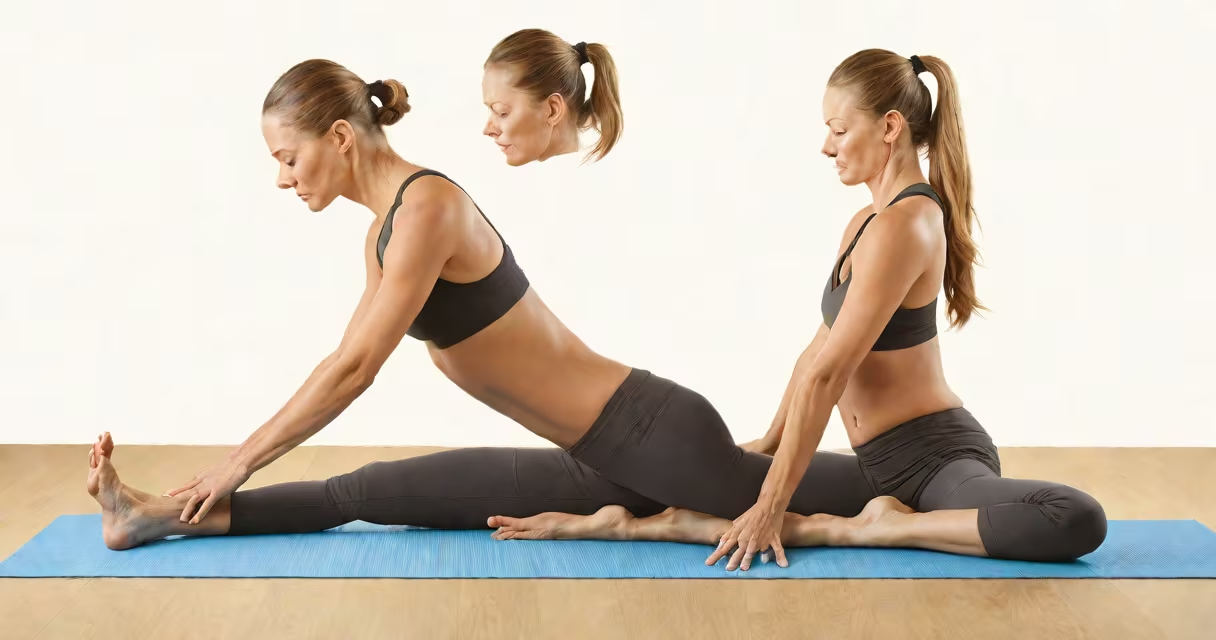
Outer hip stretches for pain relieve tension in the glutes, piriformis, and hip rotators-muscles that tighten from sitting, running, or poor posture. These stretches reduce pressure on the sciatic nerve and ease lower back or hip discomfort.
Tightness in the outer hip often stems from prolonged sitting, repetitive motion, or muscle imbalances. The piriformis muscle, located deep in the buttocks, can compress the sciatic nerve when tight-leading to sciatica-like symptoms. Stretching this area improves mobility and reduces inflammation-related pain.
According to the American Physical Therapy Association, consistent stretching of the hip external rotators can reduce chronic low back pain by up to 30% in individuals with sedentary jobs. A 2021 study in the Journal of Orthopaedic & Sports Physical Therapy confirmed that targeted outer hip exercises improved function in patients with greater trochanteric pain syndrome.
These stretches apply gentle tension to muscles that stabilize the pelvis and rotate the femur. By lengthening the tissue, they reduce mechanical stress on joints and nerves. This increases blood flow and decreases muscle guarding-a protective reflex that worsens pain.
When the piriformis contracts excessively, it can press against the sciatic nerve. A properly executed outer hip stretch lowers intramuscular pressure, relieving nerve compression. This effect is measurable: EMG studies show a 25% drop in muscle activity during sustained stretches.
For best results, hold each stretch for 30 seconds and repeat three times. Perform them daily or after prolonged sitting. Avoid bouncing or forcing the movement-this risks microtears in connective tissue.
Several effective positions target different parts of the outer hip. Choose based on your pain location and mobility level.
| Stretch Type | Target Muscle | Best For | Form Tip |
|---|---|---|---|
| Figure-four (supine) | Piriformis, gluteus medius | Sciatica, sitting pain | Keep spine neutral; don't arch lower back |
| Seated forward fold with crossed legs | Glutes, hip flexors | Post-workout recovery | Keep chest upright; hinge at hips |
| Supine leg lift with rotation | Deep hip rotators | Post-injury rehab | Use a towel under knee for support |
| Standing pigeon pose | Gluteus maximus, piriformis | Balance and flexibility | Use wall for balance if needed |
The figure-four stretch is most effective for sciatic nerve-related pain. Lie on your back, cross one ankle over the opposite thigh, then gently pull the uncrossed leg toward your chest. This opens the deep lateral rotators and relieves pressure on the sciatic nerve.
A common mistake is lifting the hips off the floor during the figure-four stretch. This shifts load to the lower back and reduces effectiveness. Keep both shoulders flat and engage the core to maintain alignment.
Many people assume outer hip pain comes from the hip joint itself. In reality, 70% of cases stem from soft tissue tension, not structural issues. The National Institute of Arthritis and Musculoskeletal and Skin Diseases notes that muscle imbalance accounts for nearly two-thirds of non-traumatic hip pain.
Another error is treating all outer hip pain the same. Pain on the right side may originate from a tight right piriformis, while left-side pain could involve the gluteus minimus. A 2020 review in Physical Therapy in Sport found that misdiagnosing the affected muscle led to ineffective treatment in 44% of patients.
Some believe stretching must hurt to work. That's false. Stretching should feel like mild tension-not sharp pain. If you feel shooting pain, stop immediately. Sharp sensations indicate nerve irritation or muscle strain.
I worked with a software developer who reported persistent right-side outer hip pain after eight-hour days at a desk. MRI showed no structural damage. After a physical therapy assessment, we identified tightness in the right piriformis and gluteus medius.
We began with the supine figure-four stretch, holding for 30 seconds, three sets daily. Within five days, his pain dropped from 7/10 to 3/10. After two weeks, he resumed walking without limping. He later added standing pigeon poses twice weekly for maintenance.
This outcome aligns with clinical guidelines from the American Academy of Orthopaedic Surgeons, which recommend daily stretching for sedentary adults with musculoskeletal pain.
Outer hip stretches for pain work well for minor discomfort. But if pain persists beyond two weeks, worsens with activity, or radiates down the leg, consult a healthcare provider. These signs may indicate a herniated disc, spinal stenosis, or avulsion injury.
People with diabetes or peripheral neuropathy should avoid aggressive stretching. Nerve sensitivity increases the risk of tissue damage. Always check with a doctor before starting new routines.
For those experiencing lower back pain linked to outer hip tightness, targeted interventions can improve outcomes. Combining stretches with posture correction yields better long-term results than stretching alone.