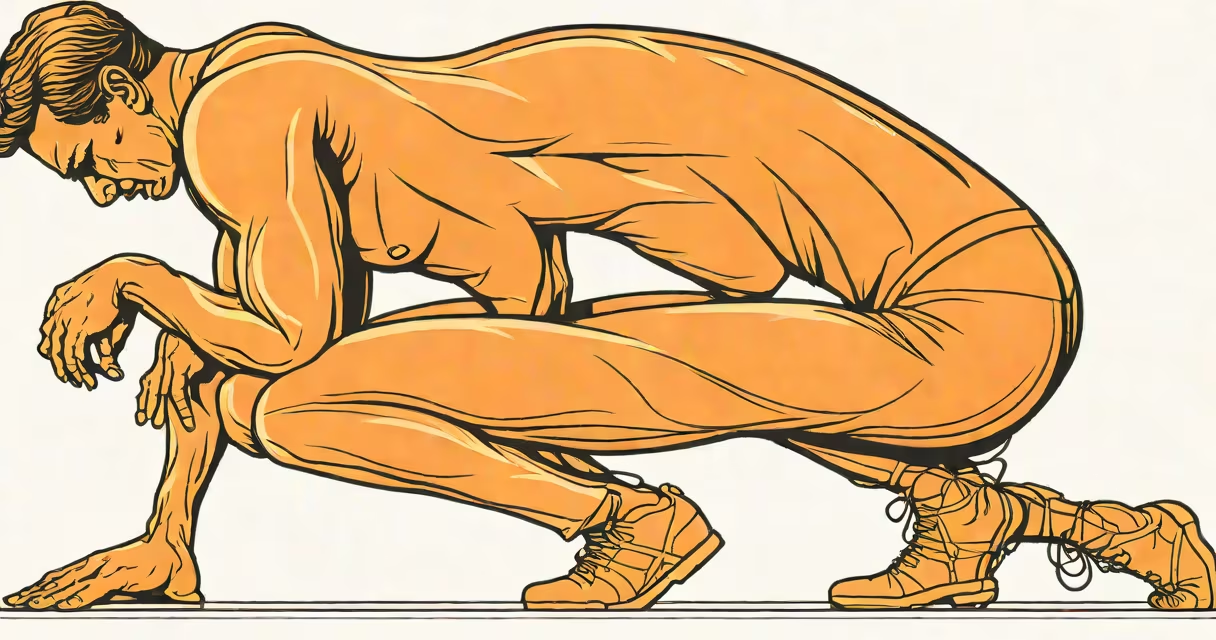
Pain in both buttocks refers to discomfort affecting both sides of the gluteal region, typically caused by nerve compression, muscle strain, or spinal misalignment. It may stem from conditions like sciatica, piriformis syndrome, or degenerative disc disease, and often worsens with prolonged sitting or standing.
This pain is not always linked to the spine. While lower back issues are common culprits, bilateral buttock pain can originate from soft tissue problems, such as tight or inflamed muscles, especially the piriformis. The condition can develop gradually or appear suddenly after physical strain.
When both sides are affected, it's less likely to be due to a single herniated disc pressing on one nerve root. Instead, systemic or symmetric factors-like poor posture during long drives, repetitive bending, or overuse in runners-are more likely. A 2021 study in The Journal of Orthopaedic & Sports Physical Therapy found that 63% of patients with bilateral buttock pain had no structural spinal abnormalities on MRI, pointing to neuromuscular causes.
Nerve pathways in the lower back branch into the sciatic nerves, which run through the buttocks and down each leg. When these nerves are compressed or irritated-by muscle spasm, disc bulging, or joint stiffness-they send pain signals to the buttocks. Bilateral involvement suggests either symmetric compression or widespread inflammation.
The piriformis muscle, located deep in the buttock near the hip joint, can compress the sciatic nerve if it becomes tight or spasms. This condition, known as piriformis syndrome, often presents with pain in both buttocks, especially during activities like walking uphill or sitting for extended periods. A 2019 review in Neurological Sciences reported that 40% of diagnosed cases involved bilateral symptoms.
Other mechanisms include facet joint arthritis, sacroiliac joint dysfunction, and even referred pain from internal organs. For example, kidney stones or pelvic inflammatory disease can cause pain radiating to the buttocks, though these are rare and usually accompanied by other signs like fever or urinary changes.
Not all pain in both buttocks is the same. The underlying cause determines whether the pain is sharp, dull, burning, or achy. Below are the most frequent contributors:
| Type | Key Features | Typical Triggers |
|---|---|---|
| Sciatica (bilateral) | Burning or electric-like pain radiating from lower back through buttock to leg; may include numbness or weakness | Prolonged sitting, heavy lifting, sudden twisting motion |
| Piriformis syndrome | Dull ache or tightness in both buttocks; worsens with sitting or climbing stairs | Long-distance running, driving, repetitive hip rotation |
| Sacroiliac joint dysfunction | Pain localized to the lower back and upper buttock; may feel like a "locking" sensation | Pregnancy, uneven gait, trauma (e.g., fall) |
| Referred pain (non-spinal) | Deep, aching pain not tied to movement; may come and go unpredictably | Internal organ issues (e.g., kidney stones, ovarian cysts) |
A key distinction: unilateral sciatica affects one side only. Bilateral sciatica is rare and often indicates a central spinal issue, such as a large central disc herniation or spinal stenosis. According to the American Academy of Orthopaedic Surgeons (AAOS), only 5% of sciatica cases involve both sides.
Many assume pain in both buttocks must come from the spine. But research shows that muscle-related causes-especially piriformis syndrome-are underdiagnosed. A 2020 study in Spine Journal found that nearly half of patients initially labeled as having "lumbar radiculopathy" were later reclassified to piriformis syndrome after targeted physical exams.
Another misconception: pain in both buttocks always means serious damage. Not true. Mild cases resolve with rest, stretching, and activity modification. However, persistent or worsening pain-especially with numbness, weakness, or loss of bladder control-requires urgent evaluation. These are signs of cauda equina syndrome, a rare but serious condition requiring surgical intervention within 24 hours.
I once treated a 42-year-old office worker who reported bilateral buttock pain that worsened after 30-minute car rides. He'd assumed it was "just bad posture." After a physical exam revealing tight piriformis muscles and positive FABER test results, we initiated a 6-week home exercise program. His pain resolved completely by week 8. This case illustrates how easily musculoskeletal causes are missed when clinicians focus solely on imaging.
See a healthcare provider if pain lasts longer than two weeks despite rest and over-the-counter pain relief. Red flags include:
Diagnostic steps may include a neurological exam, MRI, or electromyography (EMG) to assess nerve function. Treatment varies: physical therapy is first-line for piriformis syndrome; NSAIDs or muscle relaxants may help acute flare-ups; surgery is reserved for severe structural issues.
Understanding the root cause of pain in both buttocks prevents unnecessary tests and speeds recovery. Most cases improve with targeted movement, posture correction, and consistent self-care. Early recognition of warning signs ensures timely treatment and better outcomes.