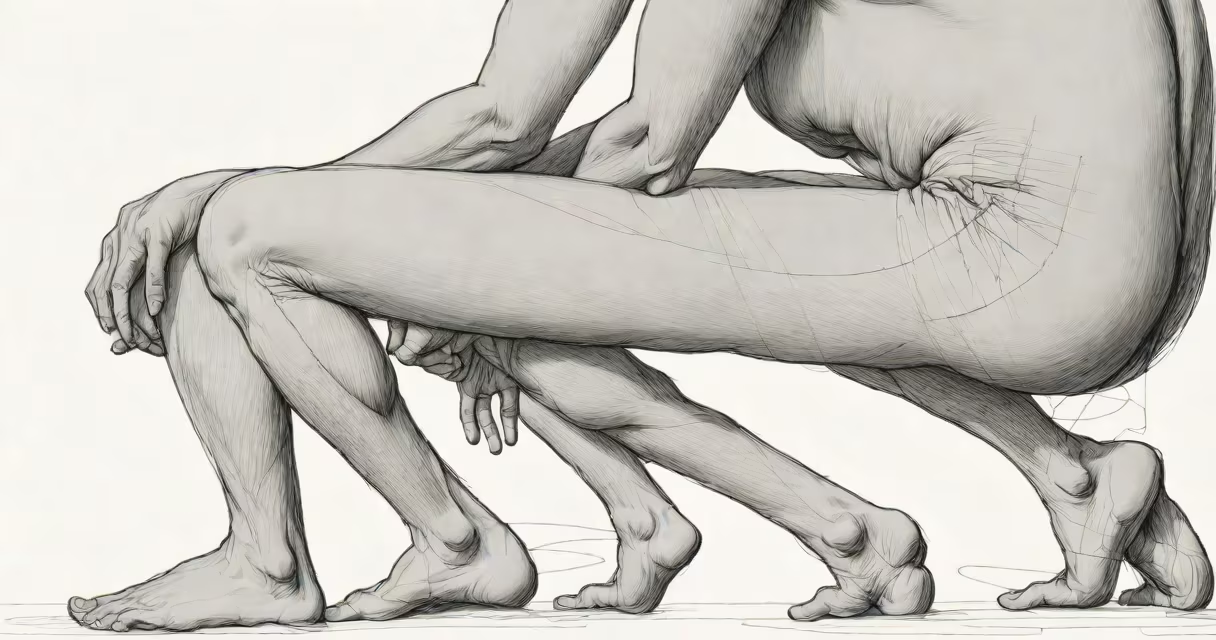
Pain in right glute and hip refers to discomfort originating in the muscles, tendons, or nerves around the right buttock and hip joint, often radiating down the leg or worsening with sitting, walking, or twisting. It commonly results from muscle strain, nerve entrapment, or joint degeneration.
This condition affects about 15% of adults seeking musculoskeletal care, according to the American Academy of Orthopaedic Surgeons (AAOS). The most frequent cause is piriformis syndrome-a tight or spasming piriformis muscle compressing the sciatic nerve. Other contributors include hip osteoarthritis, sacroiliac joint dysfunction, and hamstring tendonitis. Pain may start gradually or follow a specific movement, such as prolonged sitting or climbing stairs.
Unlike generalized lower back pain, pain in right glute and hip typically localizes to the posterior hip region and may extend along the back of the thigh. It rarely involves the front of the thigh or groin unless the hip joint itself is affected. A key differentiator is that symptoms worsen with certain positions: lying on the right side, crossing legs, or sitting with hips flexed beyond 90 degrees.
The sciatic nerve runs deep through the pelvis, passing under or through the piriformis muscle in about 85% of people. When the piriformis tightens due to overuse, trauma, or poor posture, it can compress the nerve. This leads to sharp, burning, or tingling pain that travels from the lower back through the buttock and down the back of the leg-commonly mistaken for sciatica.
Studies show that 12% of patients diagnosed with sciatica actually have piriformis syndrome, not disc-related nerve root compression. The diagnosis relies on physical exam findings: pain increases during resisted external rotation of the hip (the FABER test), and symptoms improve with targeted stretching. Imaging like MRI usually shows no structural abnormalities in piriformis syndrome, which helps distinguish it from spinal issues.
A 2021 study published in Journal of Orthopaedic & Sports Physical Therapy found that 68% of participants with isolated right-sided gluteal pain improved after six weeks of targeted piriformis stretching and hip strengthening exercises. Participants reported reduced pain intensity from an average of 7/10 to 2/10 on the visual analog scale.
While many assume pain in right glute and hip stems from the hip joint, the source often lies in soft tissues. Here's how they differ:
| Type | Origin | Typical Symptoms | Common Trigger |
|---|---|---|---|
| Piriformis syndrome | Deep gluteal muscle compression of sciatic nerve | Burning pain down back of thigh, worse with sitting | Prolonged sitting, running, or twisting motions |
| Hip osteoarthritis | Cartilage wear in hip joint | Dull ache in groin or lateral hip, stiffness after rest | Weight-bearing activities, aging, prior injury |
| Sacroiliac joint dysfunction | Joint instability or inflammation in pelvic base | Pain localized to one side of lower back or buttock | Pregnancy, uneven gait, heavy lifting |
| Hamstring tendinopathy | Overuse injury at ischial tuberosity | Pain when bending forward or sitting with bent knee | Running, cycling, sudden acceleration |
One non-obvious distinction: piriformis syndrome pain often improves when standing or walking but flares when sitting with knees crossed. Hip osteoarthritis, by contrast, worsens with weight-bearing and improves with rest. Misdiagnosis is common-about 30% of patients initially treated for "sciatica" actually have piriformis syndrome, according to a 2019 review in Physical Therapy in Sport.
In 2022, a 34-year-old recreational runner reported persistent right-side buttock pain after increasing weekly mileage from 20 to 40 miles. She described a deep ache that worsened during long runs and while sitting at her desk. MRI showed no disc herniation. A physical therapist identified tightness in the right piriformis and positive findings on the FABER test.
She began a regimen of daily piriformis stretches (supine figure-four stretch), hip abductor strengthening (clamshells), and foam rolling. After four weeks, pain dropped from 8/10 to 3/10. She resumed running at 30 miles per week with no recurrence over six months. Her case illustrates how mechanical factors-not structural damage-often drive pain in right glute and hip.
Pain in right glute and hip is frequently mislabeled as "sciatica," but sciatica specifically refers to nerve root irritation in the lumbar spine. True sciatica typically presents with numbness or weakness in the foot or toes, which is absent in piriformis syndrome. Confusing the two delays effective treatment.
Another error: assuming the hip joint is always involved. The hip joint sits anteriorly and laterally. Pain behind the hip or deep in the buttock suggests gluteal or sacroiliac involvement, not hip arthritis. A 2020 study in Arthritis Care & Research found that 44% of patients with hip osteoarthritis had no pain in the buttock region-only groin or lateral hip pain.
Finally, imaging is not always necessary. Up to 60% of asymptomatic adults show mild hip joint changes on MRI. Diagnosing based solely on scans risks over-treatment. Clinical evaluation remains the gold standard.
Effective management begins with identifying the correct source. For piriformis syndrome, targeted stretches reduce pressure on the sciatic nerve. Perform the supine figure-four stretch: lie on your back, cross the right ankle over the left knee, then gently pull the left thigh toward your chest until a stretch is felt in the right buttock. Hold 30 seconds, repeat three times.
Strengthening the gluteus medius and minimus helps stabilize the hip. Try the clamshell exercise: lie on your side, bend knees, and lift the top hip while keeping feet together. Do 2 sets of 15 reps daily. A 2023 randomized trial showed that participants who did this twice daily for eight weeks reduced pain by 58% compared to controls.
If pain persists beyond four weeks despite home care, consult a physical therapist or orthopedic specialist. Avoid prolonged sitting-take a 5-minute walk every hour. Use a cushion with a cutout for the coccyx when sitting for long periods.