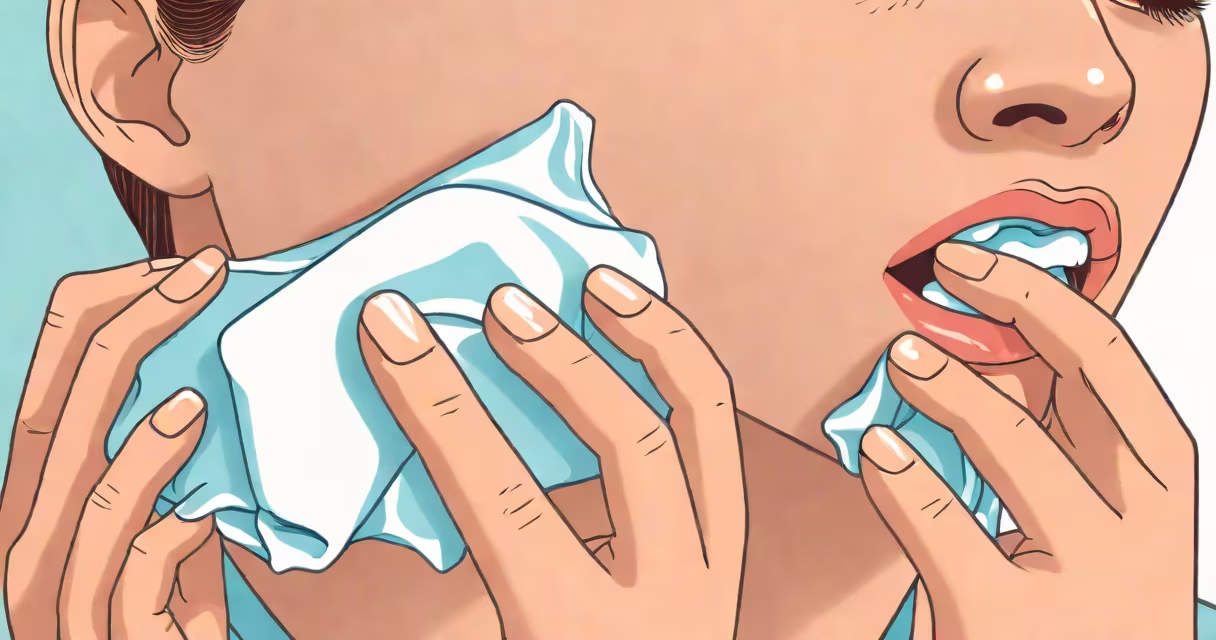
What is good for a sore tooth? Immediate relief involves cold compresses, over-the-counter pain relievers like ibuprofen or acetaminophen, and clove oil applied to the affected area. These methods reduce inflammation and numb nerve pain temporarily. For lasting results, professional dental care is essential.
Tooth pain arises when nerves inside the tooth's pulp become irritated due to decay, infection, cracked enamel, or gum disease. The pain often worsens when biting, chewing, or consuming hot or cold foods. Without treatment, a sore tooth can lead to abscesses, bone loss, or tooth loss.
According to the American Dental Association (ADA), untreated toothaches are a sign of underlying dental pathology requiring diagnosis and intervention. Self-treatment may mask symptoms but cannot resolve structural damage. A sore tooth is not a minor issue-it's a warning sign your mouth needs attention.
When a cavity reaches the dentin layer beneath the enamel, it exposes tiny tubules leading to the tooth's nerve center. Bacteria and food debris trigger inflammatory responses, causing pressure and sharp pain. Cold stimuli may increase sensitivity because fluid movement in the tubules stimulates nerves.
Applying ice to the outside of the cheek reduces blood flow to the area, decreasing swelling and numbing nearby nerves. A 15-minute application every hour can lower pain intensity. Ibuprofen blocks prostaglandins, chemicals that amplify pain signals and cause inflammation. Acetaminophen acts on the central nervous system to reduce perceived pain.
Clove oil contains eugenol, a natural compound with local anesthetic and antimicrobial properties. The ADA notes eugenol's effectiveness in reducing oral pain and inhibiting bacterial growth in small concentrations. Apply a drop to a cotton ball and press it gently against the painful tooth for up to 10 minutes.
Relief strategies fall into three categories: mechanical, pharmacological, and herbal. Each targets different aspects of tooth pain.
| Method | How It Works | Duration of Effect | Best For |
|---|---|---|---|
| Cold compress | Reduces swelling and slows nerve activity | 15-30 minutes | Facial swelling, acute pain |
| Ibuprofen (600 mg) | Blocks COX enzymes, reducing inflammation | 4-6 hours | Pain with swelling, jaw tension |
| Clove oil (diluted) | Eugenol numbs nerve endings and fights bacteria | 10-20 minutes | Localized pain, no swelling |
| Saltwater rinse | Disrupts bacterial colonies and soothes gums | 10 minutes, repeatable | Gum irritation, post-procedure discomfort |
Using a saltwater rinse (1 teaspoon of salt in 8 oz of warm water) helps clear debris and reduce gum inflammation. Swish for 30 seconds, spit out. Repeat up to four times daily. This method is safe for children and pregnant individuals.
Many assume a sore tooth is caused solely by sugar or poor brushing. While diet and hygiene contribute, the root cause is often invisible decay or a cracked tooth. A tooth may ache for weeks without visible signs. Dentists use X-rays to detect hidden cavities between teeth or under fillings.
Another misconception is that home remedies cure infections. Clove oil and saltwater can ease symptoms but do not eliminate bacteria in a deep abscess. If pus drains from the gum, fever develops, or pain persists beyond 48 hours, antibiotics or drainage procedures are required. Delaying care increases risk of spreading infection to the jawbone or bloodstream.
A non-obvious fact: tooth pain can radiate to the ear, temple, or neck. Referred pain occurs when trigeminal nerve branches share pathways with other facial nerves. You might feel jaw pain during a headache or earache during a toothache. This misdirection leads people to seek ENT or neurology care instead of dental treatment.
In 2022, a 34-year-old woman reported severe pain in her lower right molar. She had ignored mild discomfort for six weeks. Over-the-counter ibuprofen helped briefly, but pain returned at night. She tried clove oil and saltwater rinses, which reduced pain by 50% but didn't stop it.
At her dentist appointment, an X-ray revealed a large cavity extending into the pulp. The tooth was non-important and required root canal therapy. After treatment, pain resolved within 48 hours. Her initial delay led to irreversible nerve damage and increased treatment cost.
This case illustrates why temporary relief is not a substitute for diagnosis. What is good for a sore tooth in the short term doesn't address long-term health.
Seek dental care if pain lasts more than two days, wakes you at night, or is accompanied by swelling, fever, or difficulty opening your mouth. These signs indicate advanced infection or abscess formation.
The American Dental Association recommends seeing a dentist within 48 hours of persistent tooth pain. Early intervention prevents complications and preserves tooth structure. Delaying care increases the likelihood of extraction or surgical treatment.
If you're unable to see a dentist immediately, use a combination of ibuprofen and cold compresses. Avoid placing aspirin directly on the gums-it can burn tissue and delay healing. Do not chew on the affected side. Keep the area clean with gentle brushing and flossing.
What is good for a sore tooth? Temporary relief lies in accessible tools-ice, medication, and natural oils-but lasting resolution requires professional evaluation. Ignoring pain risks permanent damage. Addressing the issue early ensures better outcomes and less discomfort.