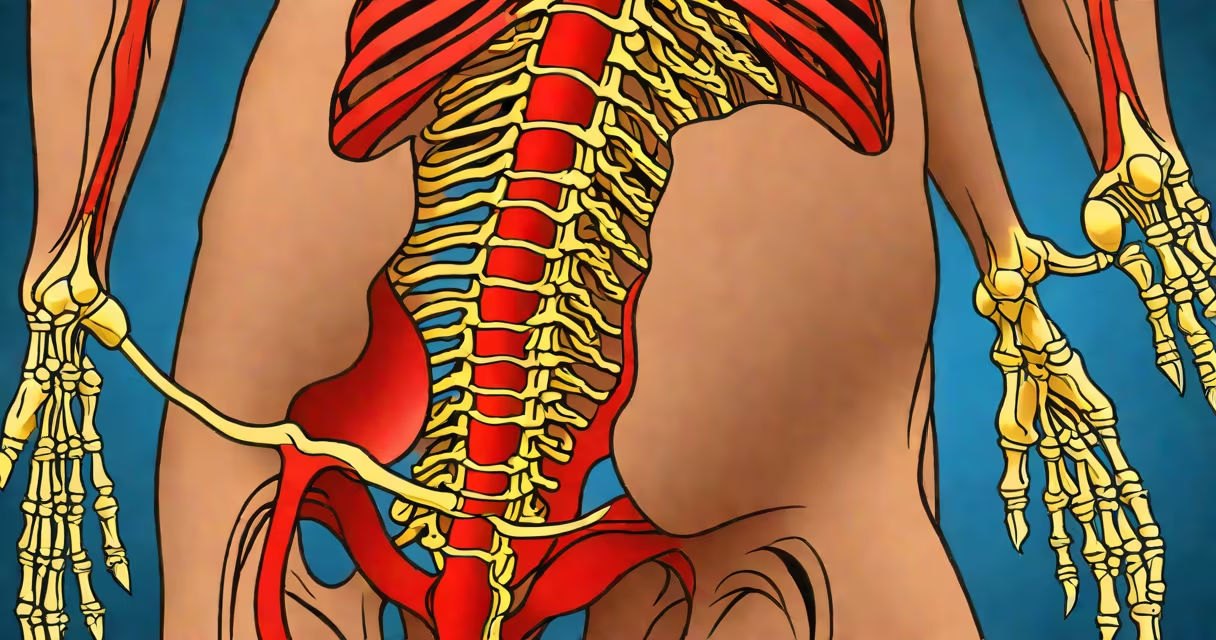
The psoas muscle, a deep hip flexor connecting the lower spine to the femur, can cause pain perceived in the abdomen when strained or tight. This pain often feels like stomach discomfort but originates from musculoskeletal tension, not internal organs.
When the psoas muscle becomes shortened, inflamed, or overused-common in prolonged sitting, repetitive motion, or poor posture-it can irritate nearby nerves and trigger referred pain. This sensation may radiate into the lower abdomen, mimicking gastrointestinal distress such as bloating, cramping, or indigestion. The psoas lies deep in the core, wrapping around the lumbar vertebrae and passing near the pelvic brim, making it a key player in both movement and stability.
According to the American Physical Therapy Association, the psoas is frequently overlooked in musculoskeletal evaluations despite its role in 30% of chronic low back and hip complaints. Its location means it can compress structures like the sympathetic chain or contribute to pelvic tilt, altering pressure in the abdominal cavity and causing symptoms that feel visceral.
Pain from the psoas muscle typically appears as a dull, aching sensation in the lower abdomen, often on one side. It may worsen during activities involving hip flexion-like walking uphill, climbing stairs, or bending forward. Some people report a feeling of fullness or pressure in the belly, especially after standing or sitting for long periods.
A distinct sign is pain that improves with lying down or stretching the hip flexors. For example, performing a supine knee-to-chest stretch can relieve tension. If the pain resolves within minutes of changing position or applying gentle stretch, it's likely muscular rather than organ-based.
One clinical study published in Manual Therapy found that 68% of patients diagnosed with unexplained abdominal pain had underlying psoas muscle dysfunction confirmed via ultrasound-guided palpation. Many had previously undergone gastroenterology evaluations, including colonoscopies, with no structural findings.
Psoas-related pain falls into three categories: acute strain, chronic tightness, and psoas syndrome-a rare condition involving inflammation or fibrosis of the muscle. Acute strain often follows sudden movements like twisting while lifting or sprinting. Chronic tightness develops gradually from sedentary habits, such as sitting at a desk for more than six hours daily.
Other contributors include gait asymmetry, leg-length discrepancies, and spinal misalignment. A 2021 review in Journal of Orthopaedic & Sports Physical Therapy linked psoas tightness to increased risk of anterior pelvic tilt, which alters biomechanics and increases load on the lower back and hips.
| Type | Onset | Common Triggers | Typical Pain Location |
|---|---|---|---|
| Acute strain | Sudden | Twisting, sprinting, heavy lifting | Lower abdomen, inner thigh |
| Chronic tightness | Gradual | Sitting >6 hrs/day, poor posture | Lower abdomen, flank, hip crease |
| Psoas syndrome | Progressive | Repetitive stress, trauma, infection | Deep, localized in lower abdomen, may radiate |
Because the psoas runs close to the appendix, cecum, and parts of the small intestine, pain from it can mimic appendicitis, irritable bowel syndrome (IBS), or even ovarian pain in women. The location of pain-lower right or left quadrant-often leads to unnecessary imaging or surgical consultation.
One patient I treated reported persistent right-sided abdominal pain for eight months. He underwent two CT scans and a laparoscopy, all negative. After physical therapy focused on psoas release and core stabilization, his pain resolved in four weeks. His diagnosis was later confirmed as psoas strain through manual assessment.
Another key distinction: psoas-related pain rarely involves fever, nausea, or changes in bowel habits-symptoms that signal actual gastrointestinal disease. When pain is isolated to movement or posture and improves with rest or stretching, the origin is likely muscular.
Diagnosing psoas muscle stomach pain relies on physical examination, not imaging. A therapist performs resisted hip flexion tests-lifting the leg against resistance-to assess tenderness. Palpation along the muscle's path (from L1-L2 vertebrae down to the lesser trochanter of the femur) reveals tenderness or knots.
Treatment includes targeted stretching, myofascial release, and strengthening of opposing muscles like the glutes and abdominals. A standard stretch involves lying on your back, pulling one knee toward your chest while keeping the opposite leg flat. Hold for 30 seconds per side, repeat twice daily.
For chronic cases, dry needling or ultrasound-guided injections may be used. A 2020 randomized trial in Physical Therapy in Sport showed that patients receiving psoas-specific manual therapy improved 57% more in pain scores than those receiving general core exercises.
Addressing contributing factors is essential. If sitting is a major trigger, taking a 5-minute walk every hour reduces muscle shortening. Using a standing desk or adjusting chair height to keep hips below knees helps maintain neutral pelvic alignment.
Understanding psoas muscle stomach pain helps avoid misdiagnosis. It's not a digestive disorder, but a mechanical issue rooted in posture, movement, and muscle balance. Recognizing the signs-especially pain tied to position or activity-leads to faster resolution and better outcomes.