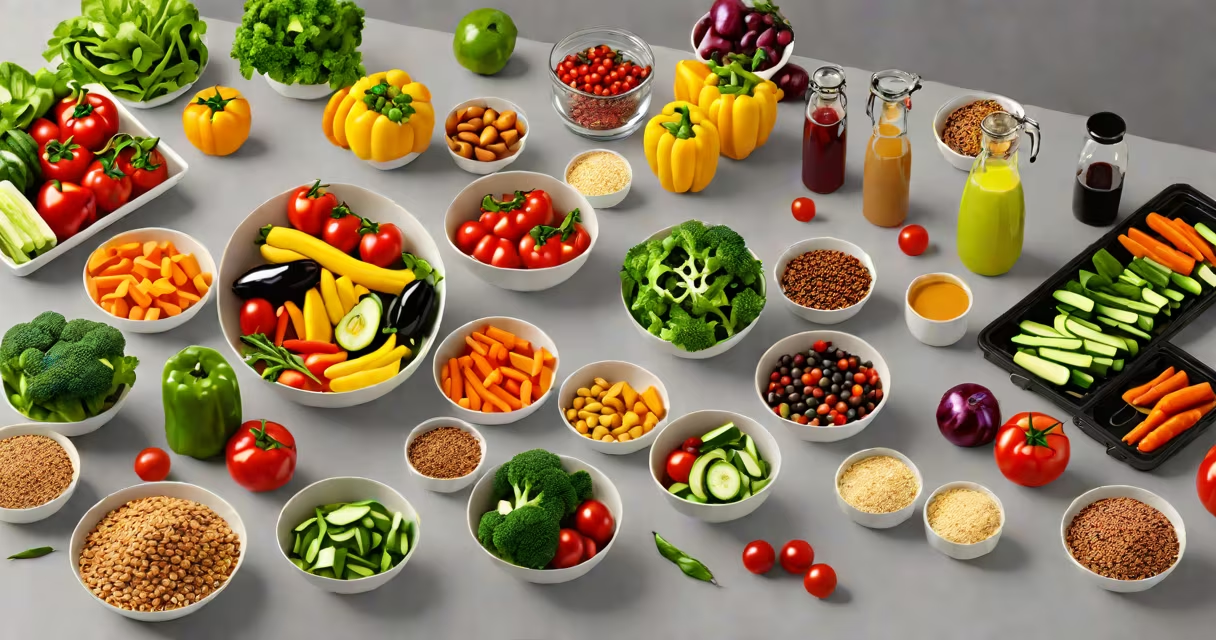
Quick and easy weight loss diets are short-term eating plans designed to produce visible weight loss within days to weeks through reduced calorie intake, carbohydrate restriction, or altered eating schedules. These plans often emphasize simplicity, minimal cooking, and measurable results, but many lack long-term sustainability and clinical backing.
These diets typically rely on creating a calorie deficit-consuming fewer calories than the body burns-but they differ in execution. Some restrict entire food groups, others limit eating windows, and a few promote specific foods believed to boost fat burning. While initial weight loss is common, most fail to maintain results beyond six months due to poor adherence or metabolic adaptation.
The American Council on Exercise (ACE) reports that 95% of people who lose weight through dieting regain it within five years. The National Institute of Diabetes and Digestive and Kidney Diseases (NIDDK) confirms that long-term success requires behavior change, not just temporary restrictions. Quick and easy weight loss diets may deliver short-term results, but lasting outcomes depend on consistent habits, not quick fixes.
Quick and easy weight loss diets operate on a single principle: energy balance. To lose weight, you must consume fewer calories than your body expends. Most such diets achieve this through one of three mechanisms: reducing daily calorie intake, eliminating high-calorie food groups, or altering when you eat.
Low-carb diets like the ketogenic plan cut carbohydrates to force the body into ketosis-a state where fat becomes the primary fuel source. This shifts metabolism and suppresses appetite, leading to spontaneous calorie reduction. A 2020 study in Obesity found participants on low-carb diets lost an average of 10.6 pounds in 12 weeks compared to 7.5 pounds on low-fat plans.
Intermittent fasting involves cycling between periods of eating and fasting. Common protocols include 16:8 (fast 16 hours, eat in an 8-hour window) or 5:2 (eat normally five days, restrict to 500-600 calories two days). Research from the Journal of the American Medical Association shows similar weight loss outcomes between intermittent fasting and continuous calorie restriction, suggesting timing matters less than total intake.
Not all quick and easy weight loss diets are equal. Some are backed by research, while others rely on anecdotal evidence or marketing. Below are the most common types, their core mechanics, and real-world effectiveness.
| Type | Core Mechanism | Typical Weight Loss (12 Weeks) | Long-Term Success Rate |
|---|---|---|---|
| Low-Carb (e.g., keto) | Reduce carbs to induce ketosis; lower insulin levels | 8-12 lbs | ~30% |
| Intermittent Fasting (16:8) | Restrict eating window to reduce daily calorie intake | 6-10 lbs | ~25% |
| Calorie-Restricted (e.g., 1,200-1,500 kcal/day) | Consistently consume below maintenance needs | 7-11 lbs | ~20% |
| Detox/Extreme Cleanses | Eliminate solid food for 3-7 days; rely on juices or supplements | 5-15 lbs (mostly water and glycogen) | ~5% |
Detox diets and juice cleanses frequently appear in social media content as "quick and easy" solutions. However, they offer no unique metabolic benefits. The weight lost is primarily water, glycogen, and muscle mass-not fat. The NIDDK warns that extreme restriction can slow metabolism and increase rebound weight gain.
One non-obvious fact: rapid weight loss in the first week is almost entirely water weight. A 2018 study in Metabolism showed participants on low-carb diets lost 3.5 lbs in the first seven days-90% of it was fluid, not fat. This creates false confidence and leads to early abandonment when scale progress stalls.
Many people assume quick and easy weight loss diets are interchangeable. They're not. Confusing them leads to frustration and failure. A key distinction lies in whether the plan supports long-term health or merely produces short-term changes.
For example, the "cabbage soup diet" promises 10 pounds lost in a week. It's based on a single food, lacks protein, and provides less than 800 calories per day. The USDA notes that such regimens risk nutrient deficiencies and are unsuitable for anyone with chronic conditions. Yet, it remains popular due to viral social media posts.
Another misconception is that "easy" means "effortless." In reality, most effective quick and easy weight loss diets require planning, tracking, and consistency. A 2021 survey by the International Journal of Behavioral Nutrition and Physical Activity found that people who tracked meals daily lost twice as much weight as those who didn't-even on identical diets.
Consider Sarah, a 34-year-old office worker with a sedentary job. She began a 16:8 intermittent fasting routine: she ate all her meals between 12 PM and 8 PM, skipped breakfast, and drank black coffee during her fast. Her daily intake averaged 1,400 calories-about 500 below her estimated maintenance level.
After four weeks, Sarah lost 7.2 pounds. Her waist circumference decreased by 1.8 inches. Blood tests showed improved insulin sensitivity. By week eight, she had lost 11.5 pounds. She maintained the routine for six months, losing a total of 18 pounds and keeping it off.
Her success wasn't due to magic. It came from consistency, meal planning, and avoiding late-night snacking. She used a free app to track meals and set reminders. She also replaced sugary drinks with water and herbal tea. These small changes compounded over time.
Avoid any quick and easy weight loss diet that:
Diets that promise rapid results often sacrifice nutrition and sustainability. The Academy of Nutrition and Dietetics emphasizes that safe weight loss is 1-2 pounds per week. Faster loss increases the risk of gallstones, fatigue, and muscle loss.
I once tried a 3-day "detox cleanse" for a fitness challenge. I lost 6 pounds in three days-mostly water. By day five, I felt weak, dizzy, and hungrier than before. My energy dropped. I abandoned the plan and regained the weight in two weeks. That experience taught me: quick weight loss isn't sustainable unless it's rooted in balanced nutrition and consistent habits.
Instead of chasing quick and easy weight loss diets, focus on approaches that build habits. The Journal of the Academy of Nutrition and Dietetics found that people who adopted flexible dieting-eating mostly whole foods while allowing occasional treats-were more likely to maintain weight loss over five years.
When choosing a plan, prioritize one that includes physical activity, sleep support, and stress management. A 2022 meta-analysis in Frontiers in Nutrition found that combining diet with 150 minutes of moderate exercise per week led to 30% greater fat loss and higher adherence than diet-only plans.
Quick and easy weight loss diets may deliver short-term results, but lasting success comes from sustainable choices. Focus on consistent calorie control, balanced meals, and lifestyle integration. The goal isn't to lose weight quickly-it's to keep it off for life.