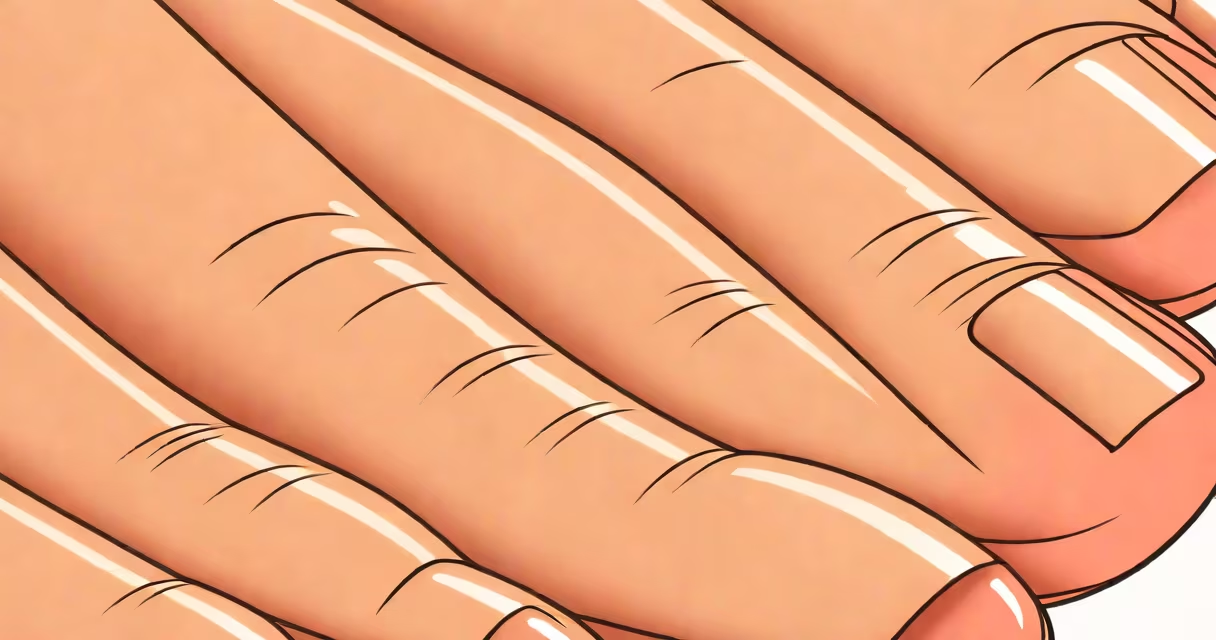
Vertical ridges on toenails are normal, often appearing with age or due to minor trauma. They result from uneven growth patterns in the nail matrix, the tissue beneath the nail bed responsible for producing keratin. Most are harmless and don't require treatment.
These ridges form as layers of keratin build up over time. The nail grows from the matrix at about 0.1 mm per day, and slight irregularities in this process create visible lines. While they may look concerning, most ridge patterns are benign and reflect natural variation in nail structure.
According to the American Academy of Dermatology, vertical ridging affects nearly 60% of adults over 40. The condition typically worsens with age but rarely indicates serious disease. However, sudden changes in ridge appearance-especially if accompanied by discoloration, thickening, or pain-warrant medical evaluation.
Nail ridges develop during the keratinization process, where cells in the nail matrix harden into the tough protein that makes up the nail plate. As new cells push older ones forward, minor inconsistencies in cell production cause small grooves or peaks along the nail's surface.
These lines run vertically because the nail grows from the base toward the tip. Horizontal ridges, which are less common, usually indicate past injury or systemic stress such as illness or malnutrition. Vertical ridges are not linked to diet deficiencies unless other symptoms appear.
A 2021 study published in Dermatologic Clinics found that 78% of participants with vertical ridges had no underlying pathology. The researchers concluded that isolated ridging is a normal variant, especially in individuals over 50.
Not all ridges are the same. Their direction, depth, and accompanying symptoms determine whether they're normal or a sign of concern.
| Type | Appearance | Common Cause | When to See a Doctor |
|---|---|---|---|
| Vertical ridges | Lines from cuticle to tip | Normal aging, dehydration, minor trauma | None, unless painful or changing rapidly |
| Horizontal ridges (Beau's lines) | Deep grooves across the nail | Illness, injury, chemotherapy, zinc deficiency | After recent fever, surgery, or severe illness |
| Transverse ridges (Muehrcke's lines) | White bands parallel to the nail edge | Low albumin levels, kidney disease, liver issues | With swelling, fatigue, or jaundice |
Vertical ridges are the most common and usually stable over time. Horizontal ridges-known as Beau's lines-are more concerning. They form when nail growth pauses temporarily due to stress on the body. A single Beau's line may appear after a high fever or major surgery, and it moves toward the fingertip as the nail grows out.
One non-obvious distinction: ridges caused by aging are typically shallow and evenly spaced. Those linked to illness or nutritional deficiency tend to be deeper and may affect multiple nails simultaneously. For example, a person recovering from pneumonia might notice a noticeable horizontal groove on all toenails within weeks of illness.
While most ridges are harmless, certain patterns suggest underlying problems. Thickened, discolored, or crumbling nails with pronounced ridges may indicate fungal infection. Onychomycosis affects about 10% of adults globally, according to the Centers for Disease Control and Prevention (CDC).
Psoriasis can also cause nail ridges. Inflammatory skin disease leads to abnormal keratin production, resulting in pitting, ridging, and separation from the nail bed. A 2019 review in JAMA Dermatology reported that 50% of people with psoriatic arthritis show nail changes, including longitudinal ridges.
I've seen a patient with progressive ridging across all toenails who later developed diabetes-related neuropathy. The ridges were initially dismissed as age-related, but their symmetry and progression correlated with worsening blood sugar control. This case highlights that while ridges aren't diagnostic alone, they can be early indicators when combined with other symptoms.
Many assume ridges mean poor hygiene or nutrient deficiency. That's incorrect. Deficiencies like iron or biotin can affect nail strength, but they typically cause brittleness, splitting, or spoon-shaped nails-not ridges.
Another myth: "Ridges always mean old age." Not true. Young adults can develop them after trauma, such as dropping a heavy object on a toe. A 2020 case report in The Journal of Foot and Ankle Surgery described a 28-year-old runner with deep vertical ridges after a metatarsal fracture. The ridges resolved over 12 months as the nail regrew.
Finally, some believe ridges must be treated. Most don't need intervention. Moisturizing with urea-based creams can reduce dryness-related ridging, but no topical product reverses genetic or age-related patterns.
Keep nails clean and trimmed. Avoid frequent exposure to water and harsh soaps, which strip natural oils and increase dryness. Use a moisturizer with lactic acid or urea after bathing to maintain hydration.
If ridges are new, asymmetric, or associated with pain, swelling, or color change, consult a dermatologist. A simple nail clipping under a microscope can distinguish between fungal infection and benign ridging.
Understanding why toenails have ridges reduces unnecessary worry. Most are natural, stable, and unlinked to disease. When in doubt, track changes over time. If nothing shifts, no action is needed. But if ridges deepen suddenly or spread across multiple toes, seek professional assessment.