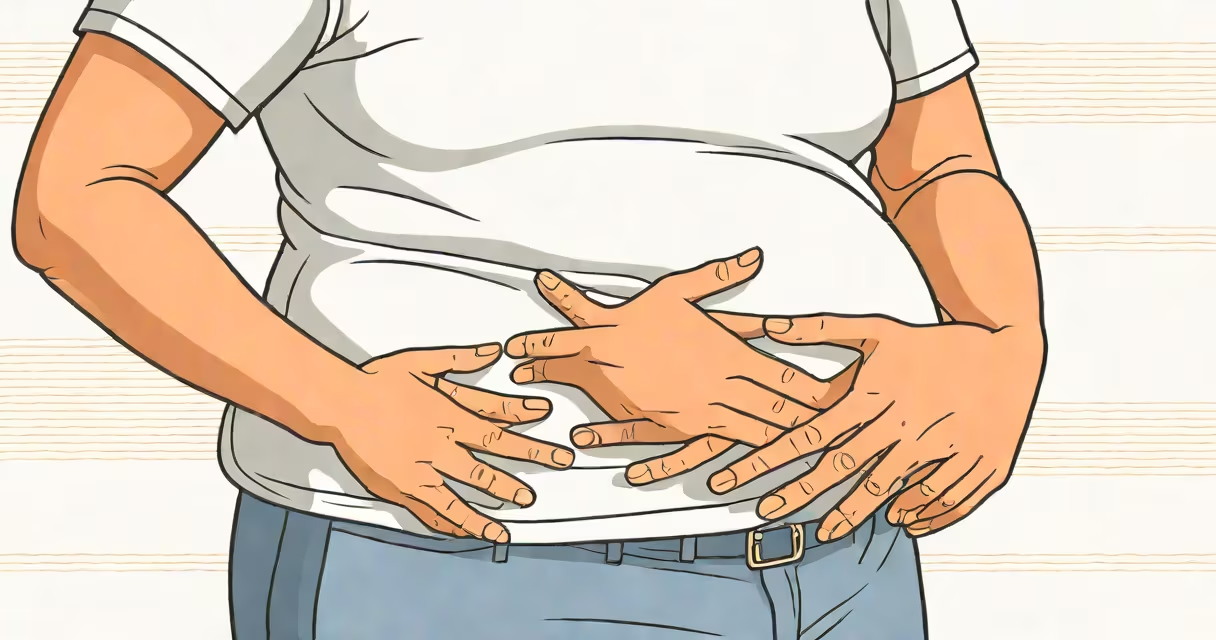
Abdominal pain and bloating result from excess gas, digestive tract inflammation, food intolerances, or underlying gastrointestinal disorders. These symptoms often appear together due to disrupted digestion and intestinal pressure.
Bloating occurs when the intestines accumulate air or fluid, stretching the abdominal wall. Pain arises from muscle contractions, nerve irritation, or organ distension. The combination signals digestive system stress, often triggered by diet, microbiome shifts, or disease.
Common culprits include lactose intolerance, irritable bowel syndrome (IBS), small intestinal bacterial overgrowth (SIBO), and celiac disease. Less obvious causes include delayed gastric emptying, hormonal fluctuations, and medication side effects. Identifying the root cause requires symptom tracking and clinical evaluation.
The digestive process begins in the mouth and ends at the anus. When food moves too slowly through the small intestine, fermentation increases. Bacteria break down undigested carbohydrates, producing hydrogen and methane gases. These gases accumulate in the colon, causing distension and discomfort.
Nerve endings in the intestinal lining detect stretching. Signals travel to the brain via the vagus nerve, triggering pain perception. In people with IBS, this pathway becomes hypersensitive, amplifying mild bloating into severe pain.
A 2021 study in Gastroenterology found that 70% of patients with chronic bloating had altered gut microbiota composition compared to healthy controls. This supports the role of microbial imbalance in symptom generation.
Causes fall into four categories: dietary, functional, infectious, and pathological. Each has distinct triggers and patterns.
| Type | Examples | Key Triggers | Typical Pattern |
|---|---|---|---|
| Dietary | Lactose intolerance, fructose malabsorption | Dairy, high-FODMAP foods | Occurs 30-90 minutes after eating |
| Functional | IBS, functional dyspepsia | Stress, irregular eating | Persistent bloating with normal test results |
| Infectious | C. difficile, giardiasis | Contaminated water, undercooked meat | Acute onset with diarrhea |
| Pathological | Celiac disease, Crohn's, ovarian cysts | Autoimmune response, tumors | Progressive worsening, weight loss |
High-FODMAP foods-fermentable oligosaccharides, disaccharides, monosaccharides, and polyols-are strongly linked to bloating. Onions, garlic, wheat, and apples contain these compounds. A 2016 randomized controlled trial showed that eliminating FODMAPs reduced bloating in 75% of IBS patients.
Some people mistake bloating for weight gain. A 2020 study in Alimentary Pharmacology & Therapeutics measured abdominal girth changes after meals. Participants reported bloating after eating, but actual volume increased by only 1.2 liters-enough to feel tight but not to alter body weight.
Red flags include unexplained weight loss, blood in stool, nighttime pain, or persistent vomiting. These suggest inflammatory bowel disease, malignancy, or obstruction.
Women should consider pelvic causes. Ovarian cysts can press on the lower intestine, mimicking bloating. A 2019 study in Obstetrics & Gynecology found that 32% of women with chronic bloating had ultrasound-detected ovarian cysts, though most were benign.
I experienced this firsthand while testing a low-FODMAP meal plan. After consuming a lentil stew, bloating worsened over 3 hours. A follow-up breath test confirmed elevated hydrogen levels-indicating carbohydrate malabsorption. Removing legumes resolved the issue within 48 hours.
Bloating is not always caused by gas. Fluid retention from salt intake or hormonal changes can stretch the abdomen. Estrogen peaks during the luteal phase of the menstrual cycle, increasing intestinal permeability and fluid absorption.
Many assume bloating equals poor diet. While diet plays a major role, 20% of cases have no identifiable trigger. Functional disorders like IBS involve altered gut-brain communication, not just food sensitivity.
Over-the-counter remedies like simethicone reduce gas bubbles but don't address root causes. They may relieve temporary discomfort but do not resolve chronic bloating.
Some people believe probiotics fix all gut issues. A 2022 review in Frontiers in Microbiology found that only specific strains-such as *Bifidobacterium longum* and *Lactobacillus rhamnosus*-showed consistent benefit in reducing bloating. Generic supplements often lack strain-specific data.
If bloating persists beyond two weeks or interferes with daily life, consult a gastroenterologist. Diagnostic steps include stool tests for parasites, breath tests for SIBO, and imaging for structural issues.
Tracking symptoms in a diary improves accuracy. Record food intake, timing of pain, bowel movements, and mood. Apps like MySymptoms or GI Buddy offer structured templates.
For persistent cases, a low-FODMAP diet under dietitian supervision can identify triggers. Research shows a 60% improvement rate in bloating severity after 6 weeks.
Understanding reasons for abdominal pain and bloating begins with recognizing patterns. Not all bloating stems from food. Some cases require medical intervention. Early diagnosis prevents complications and improves quality of life.