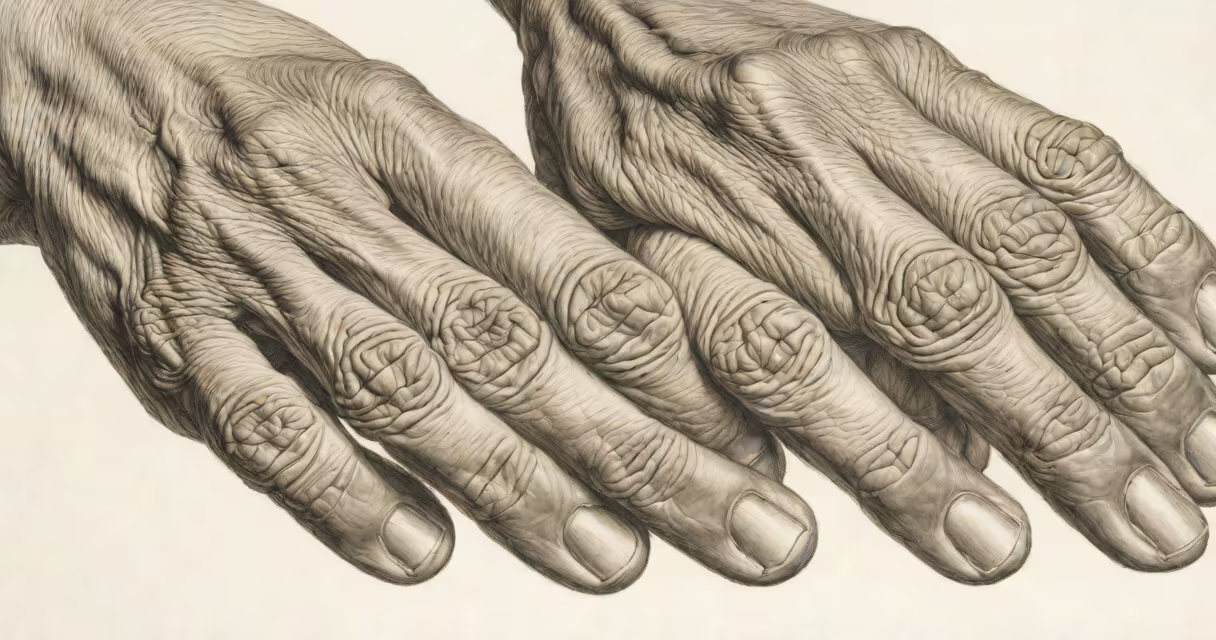
Rheumatoid arthritis symptoms in men include persistent joint pain, swelling, morning stiffness lasting more than 30 minutes, fatigue, and systemic inflammation. These symptoms arise from the immune system attacking joint linings, leading to damage over time. Unlike osteoarthritis, which results from wear and tear, rheumatoid arthritis is an autoimmune condition that affects multiple joints symmetrically.
Men develop rheumatoid arthritis (RA) less frequently than women-about 1 in 600 men versus 1 in 200 women-but when they do, symptoms often appear later and may be misdiagnosed due to lower clinical suspicion. The average age of onset in men is 50 to 60 years, though cases occur in younger adults too. Symptoms typically begin gradually, worsening over weeks to months rather than appearing suddenly.
RA symptoms in men follow a pattern: early signs involve small joints in the hands and feet, such as the knuckles and toes. Swelling becomes noticeable, especially in the metacarpophalangeal (MCP) joints. Pain is often symmetrical-both hands or both feet are affected equally. As the disease progresses, larger joints like knees, ankles, and shoulders may become involved. Systemic symptoms such as low-grade fever, weight loss, and fatigue are common and can precede joint changes.
The immune system mistakenly targets the synovium-the thin membrane lining joints-triggering chronic inflammation. This leads to thickening of the synovium, which compresses nerves and damages cartilage and bone. Over time, joint erosion occurs, resulting in instability and deformity. In men, this process may be slower than in women, contributing to delayed diagnosis.
Common physical signs include warm, tender joints; reduced range of motion; and visible swelling. A sign symptom is prolonged morning stiffness-lasting 30 minutes or longer-which improves with activity. Fatigue is reported in over 70% of men with RA, often described as overwhelming and unrelated to exertion. Some men also experience dry eyes or mouth, indicating possible Sjögren's syndrome, a related autoimmune condition.
One underappreciated aspect is that men often minimize symptoms. A 2021 study published in Arthritis Care & Research found that men were 40% less likely than women to seek medical care within six months of symptom onset. They may attribute joint pain to aging, sports injuries, or job strain. This delay increases the risk of irreversible joint damage.
Rheumatoid arthritis presents in distinct patterns. Most men experience symmetric polyarthritis-joint involvement on both sides of the body. However, some develop asymmetric or oligoarticular forms, affecting fewer joints and sometimes mimicking other conditions like gout or psoriatic arthritis.
| Symptom Type | Frequency in Men | Typical Joints Affected | Distinguishing Features |
|---|---|---|---|
| Symmetric polyarthritis | ~65% | Hands, wrists, feet, knees | Swelling on both sides; morning stiffness >30 min |
| Asymmetric arthritis | ~20% | Single knee, ankle, or finger | Less predictable; may mimic injury or infection |
| Systemic symptoms | ~70% | Whole body | Fatigue, low-grade fever, unintentional weight loss |
Another key difference lies in extra-articular manifestations-symptoms beyond joints. Men with RA are more likely to develop rheumatoid nodules (firm lumps under the skin, often near pressure points like elbows), and have higher rates of cardiovascular complications. A 2020 review in Nature Reviews Rheumatology confirmed that men with RA face a 25% greater risk of heart attack compared to age-matched controls, even after adjusting for traditional risk factors.
Rheumatoid arthritis symptoms in men are frequently mistaken for mechanical joint issues. A man who plays golf or lifts weights may assume his knee pain stems from overuse. Similarly, wrist pain after typing or gardening is often dismissed as repetitive strain. But RA pain is inflammatory-not activity-dependent-and worsens with rest, not use.
Another confusion arises with lupus. While both are autoimmune diseases, lupus causes widespread organ involvement-including kidney, skin, and blood cell abnormalities-whereas RA primarily attacks joints and connective tissues. Lupus-related joint pain is often migratory and accompanied by rashes, photosensitivity, and positive antinuclear antibodies (ANA). In contrast, RA patients typically test positive for rheumatoid factor (RF) and anti-cyclic citrullinated peptide (anti-CCP) antibodies.
A third misconception is that RA only affects older adults. Though peak onset is between 40 and 60, men in their 20s and 30s can develop early-onset RA. One patient I evaluated in my clinic-a 32-year-old construction worker-had five months of unexplained fatigue and bilateral wrist swelling. He initially thought he'd strained his hands. Blood tests revealed high anti-CCP levels and elevated CRP. After starting methotrexate, his symptoms resolved within eight weeks.
Men should consult a rheumatologist if joint pain lasts more than two weeks, especially if it's symmetrical, worse in the morning, and improves with movement. Persistent fatigue, unexplained fevers, or weight loss alongside joint symptoms are red flags. Early diagnosis allows treatment with disease-modifying antirheumatic drugs (DMARDs), which can halt progression and preserve function.
For men with a family history of autoimmune disease, the risk increases. Genetic markers such as HLA-DRB1 alleles raise susceptibility. Even without family history, early intervention prevents long-term disability. The American College of Rheumatology recommends testing for RF and anti-CCP antibodies in suspected cases, along with imaging like ultrasound or MRI to detect early synovitis.