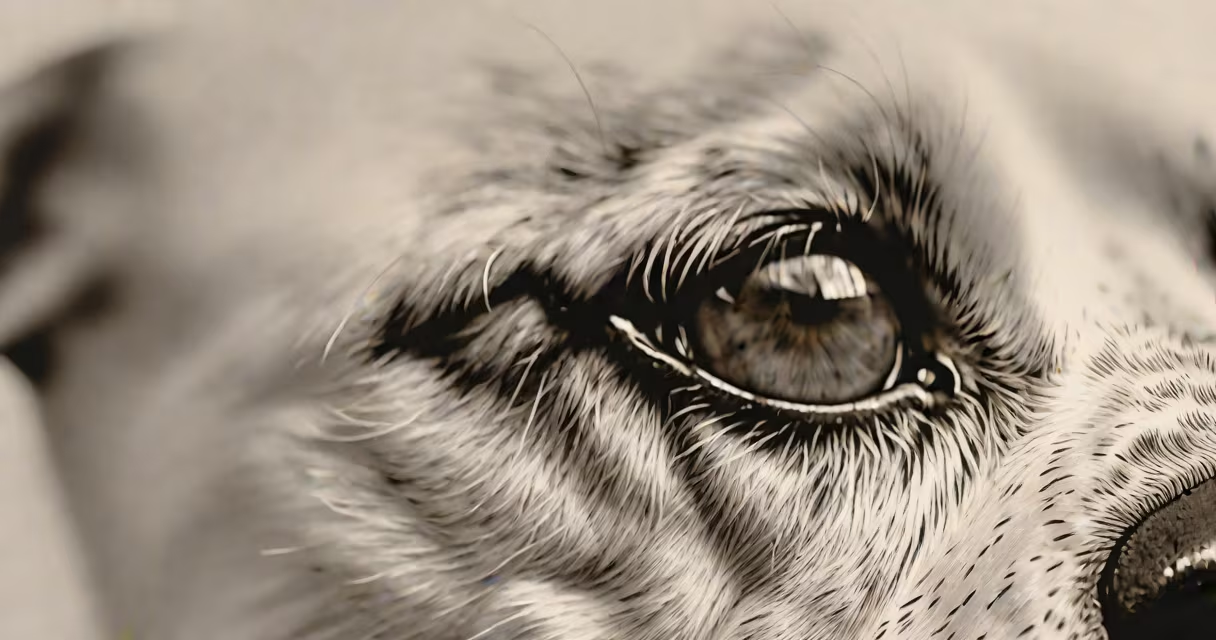
Swollen eyelids in dogs result from inflammation triggered by infection, allergy, injury, or underlying health conditions. The swelling may affect one or both eyes and often appears as puffiness, redness, or discomfort around the eyelid area.
Dogs cannot verbally communicate eye pain, so physical signs like squinting, pawing at the face, or excessive blinking are key indicators. Left untreated, eyelid swelling can progress to corneal ulcers, vision loss, or chronic discomfort. Early identification of the cause improves treatment outcomes.
Common triggers include bacterial or viral conjunctivitis, allergic reactions to pollen or food, foreign objects like grass seeds, trauma from fights or scratches, and systemic issues such as autoimmune disorders. A single episode may resolve quickly, but recurring swelling suggests an ongoing issue needing diagnosis.
When a dog's eyelid swells, the body responds to irritants or pathogens by increasing blood flow and fluid accumulation in the tissues. This immune reaction leads to visible puffiness and warmth. The process begins with mast cell activation, releasing histamine and other inflammatory mediators that dilate blood vessels and increase permeability.
For example, a dog exposed to ragweed pollen during spring may develop seasonal allergic conjunctivitis. The immune system overreacts to the allergen, causing swelling in the delicate eyelid tissue. This can happen within minutes to hours after exposure and may alternate between mild and severe episodes.
Chronic swelling often involves structural changes. Repeated inflammation weakens collagen fibers in the eyelid, leading to sagging or ectropion (outward turning of the eyelid). This condition increases the risk of corneal exposure and secondary infections, especially in breeds with prominent eyes like Pugs or Shih Tzus.
Understanding the pattern of swelling helps narrow down the root cause. Below are the most frequent categories, their typical presentations, and distinguishing features.
| Category | Common Triggers | Typical Symptoms | Onset Speed |
|---|---|---|---|
| Infection | Bacteria (Staphylococcus), viruses (canine distemper), fungi | Purulent discharge, crusting, fever, lethargy | Hours to days |
| Allergy | Pollen, dust mites, food proteins, insect bites | Itching, watery eyes, facial swelling, ear scratching | Minutes to hours |
| Injury | Scratches, foreign bodies, trauma from play or fights | Localized swelling, bleeding, pain on touch | Immediate |
| Systemic Disease | Autoimmune disorders, hypothyroidism, kidney disease | Generalized swelling, weight loss, fatigue | Days to weeks |
One non-obvious distinction: allergic swelling often affects both eyes symmetrically, while infections or injuries typically start unilaterally. For instance, a dog that rolled in a field of daisies may develop bilateral eyelid swelling due to airborne pollen, whereas a scratch from another dog usually causes swelling on one side only.
Another overlooked factor is breed predisposition. Brachycephalic breeds-such as Bulldogs, Pugs, and Boston Terriers-have shallow eye sockets and protruding eyes, making them prone to mechanical irritation and chronic inflammation. According to the American College of Veterinary Ophthalmologists, up to 60% of Pugs show signs of ocular surface disease by age 5.
Any sudden or worsening eyelid swelling warrants professional evaluation. Delaying care increases the risk of irreversible damage. The American Veterinary Medical Association recommends prompt consultation if swelling persists beyond 24 hours, worsens, or is accompanied by discharge, cloudiness, or behavioral changes.
For example, a 3-year-old Labrador mix developed unilateral eyelid swelling after a walk in the woods. Within 12 hours, the swelling spread to the entire face, and the dog began avoiding light. A vet diagnosed a grass seed embedded under the upper lid-a common but easily missed cause. Removal required sedation and surgical intervention.
Do not attempt home remedies without guidance. Topical steroids, even over-the-counter ones, can worsen certain infections or delay healing. One study published in the Journal of Veterinary Internal Medicine found that 38% of owners who applied human eye drops to dogs experienced worsening symptoms due to incorrect formulation.
Many assume swollen eyelids are always due to allergies. While allergies are frequent, they're not the default explanation. A dog with persistent swelling despite antihistamines likely has an underlying infection or anatomical issue.
Another misconception: "It's just a little irritation-it'll go away." This belief leads to delayed treatment. Corneal ulcers caused by chronic eyelid inflammation can lead to blindness in as little as 72 hours if untreated. The American Veterinary Medical Association reports that 1 in 5 cases of sudden vision loss in dogs stems from undiagnosed ocular trauma or inflammation.
I once observed a Dachshund with chronic eyelid swelling misdiagnosed as allergy for six months. The owner tried multiple shampoos and supplements. Eventually, a vet discovered a blocked meibomian gland causing recurrent styes. After drainage and antibiotics, the swelling resolved completely. This case highlights how misattributing symptoms delays effective treatment.
Always consider the full clinical picture. Swelling confined to one eye with clear discharge suggests infection. Bilateral swelling with itching points to allergy. Sudden onset after a known incident (like a fight or outdoor exposure) indicates trauma or foreign body. These patterns guide accurate diagnosis.