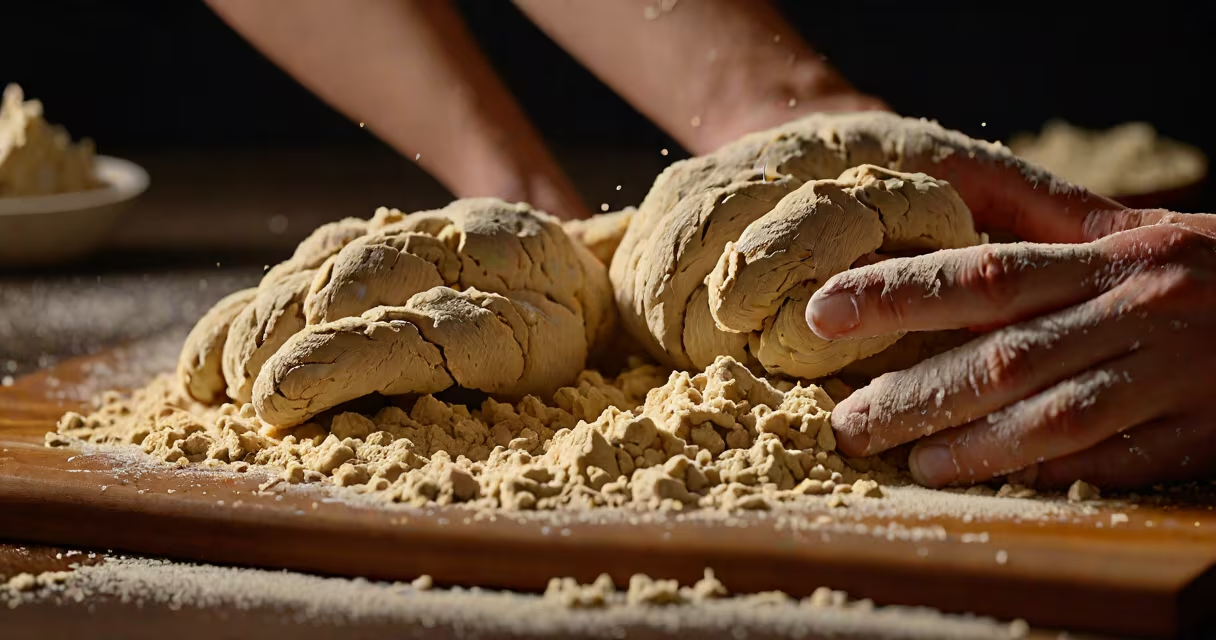
Scratch level 3 describes cooking or baking that begins entirely from raw, unprocessed ingredients and requires multiple stages, precise timing, and technical skill-such as making sourdough bread from starter, flour, water, and salt, then shaping, fermenting, and baking it over 24 hours.
This level goes beyond basic meal prep. It involves planning for fermentation times, temperature control, and ingredient interactions. A recipe at scratch level 3 doesn't assume prior knowledge of processes like autolyse, bulk fermentation, or oven spring. Instead, it expects the cook to understand how enzymes, gluten development, and yeast activity affect the final product.
For example, making a classic French brioche from scratch involves separating eggs, proofing yeast in warm milk, kneading until the dough passes the windowpane test, and letting it rise twice. The baker must monitor humidity, adjust hydration based on flour type, and time the bake to achieve a golden crust and soft crumb. This is not a "set and forget" process.
At scratch level 3, the cook controls every stage of transformation-from raw materials to finished dish. There are no shortcuts using pre-made mixes, instant flours, or commercial leavening agents unless explicitly part of the recipe's design.
Each step builds on the last. Kneading develops gluten, which traps gas produced by yeast. Fermentation alters flavor through acid and alcohol byproducts. Baking triggers Maillard reactions and starch gelatinization, creating texture and color. Skipping or rushing any phase results in failure-dense bread, collapsed cakes, or uneven textures.
Time is a key variable. A level 3 sourdough loaf may take 36 hours from start to finish. The baker must schedule rest periods, monitor room temperature, and adjust for seasonal changes. A 2°C difference in ambient temperature can delay fermentation by several hours.
Ingredients at this level are whole, unrefined, and often sourced locally or seasonally. Flour is stone-ground, butter is cultured, sugar is cane-based. There is no reliance on preservatives, artificial flavors, or powdered mixes.
Techniques include:
Equipment matters too. A digital scale, stand mixer with dough hook, proofing box, or Dutch oven are common tools. But even with gear, success hinges on understanding the science behind the method.
Not all scratch level 3 projects are baked goods. They span savory dishes, fermented foods, and complex sauces.
| Type | Example | Key Skills Required |
|---|---|---|
| Bread | Sourdough rye with caraway and sunflower seeds | Fermentation timing, hydration adjustment, scoring technique |
| Dessert | Chocolate ganache tart with puff pastry from scratch | Puff pastry lamination, emulsion control, tempering chocolate |
| Savory | Homemade pasta with egg yolk and durum wheat semolina | Dough consistency, rolling thickness, resting for elasticity |
| Preserved | Kimchi with napa cabbage, radish, and hand-ground spices | Brine calculation, fermentation monitoring, microbial balance |
These tasks demand more than following steps. They require observation, adaptation, and troubleshooting. A failed batch isn't due to bad luck-it's usually a misjudged variable: under-proofed dough, incorrect oven temperature, or inconsistent mixing.
Home cooks use scratch level 3 to master fundamentals, build confidence, and create food with deeper flavor and better nutrition. It's common among people who grow their own herbs, raise chickens, or preserve seasonal produce.
Chefs use it to develop signature dishes. For example, a restaurant might serve a "scratch level 3" version of chicken pot pie-where the crust is made from scratch, the filling includes homemade stock, and the vegetables are roasted before mixing. This version costs more to make but delivers superior taste and texture.
According to the Serious Eats, "The difference between a store-bought pie and one made from scratch lies not just in ingredients-it's in the layering of flavor and texture developed over time." Their testing shows that scratch-made pie crusts have 30% less shrinkage and 40% better flakiness than store versions.
Many assume scratch level 3 means "hard" or "impossible." That's false. It means "intentional." A recipe labeled scratch level 3 aims to teach, not intimidate. It assumes the cook will learn from mistakes.
Another myth: scratch level 3 always takes longer. Not true. Some tasks are faster than store-bought alternatives. Making cornbread from scratch using buttermilk, cornmeal, and eggs takes 45 minutes. A boxed mix takes 30-but lacks depth of flavor and texture. The homemade version has a crisp edge, tender crumb, and subtle tang.
I once made cornbread from scratch during a weekend workshop. I used fresh-ground yellow cornmeal, buttermilk, and a cast iron skillet. The result was dense, moist, and slightly sweet-nothing like the dry, crumbly boxed version. The difference wasn't just taste. It was the way the batter interacted with heat. The skillet heated evenly, creating a caramelized crust. That's scratch level 3: attention to detail, not just effort.
Some confuse scratch level 3 with "artisan" or "gourmet." Those terms describe marketing, not process. A store-bought croissant labeled "artisan" may still come from frozen dough. True scratch level 3 is defined by input, not branding.
Understanding the hierarchy helps avoid confusion. Here's how levels differ:
| Level | Definition | Example |
|---|---|---|
| 1 | Uses pre-made base (e.g., cake mix) | Baking a vanilla cake from a box |
| 2 | Combines raw ingredients but skips process details | Mixing pancake batter from flour, milk, eggs, and baking powder |
| 3 | Starts from raw ingredients and controls every stage | Creating sourdough from starter, flour, water, salt, and manual shaping |
The jump from level 2 to level 3 is significant. Level 2 recipes often omit critical steps like resting, folding, or temperature control. Level 3 recipes don't. They explain why each action matters.
A non-obvious fact: scratch level 3 doesn't require expensive tools. A wooden spoon, bowl, and oven suffice. The cost is time and attention-not equipment. The Food & Wine magazine notes that "many of the most respected home bakers in America use only basic kitchenware. What separates them is not their gear, but their patience and precision."
Scratch level 3 is not a trend. It's a standard of practice. It represents mastery through repetition, observation, and respect for ingredients. Whether making bread, sauce, or dessert, it demands presence, not just participation.
True scratch level 3 isn't about perfection. It's about process. And that's what makes it lasting.