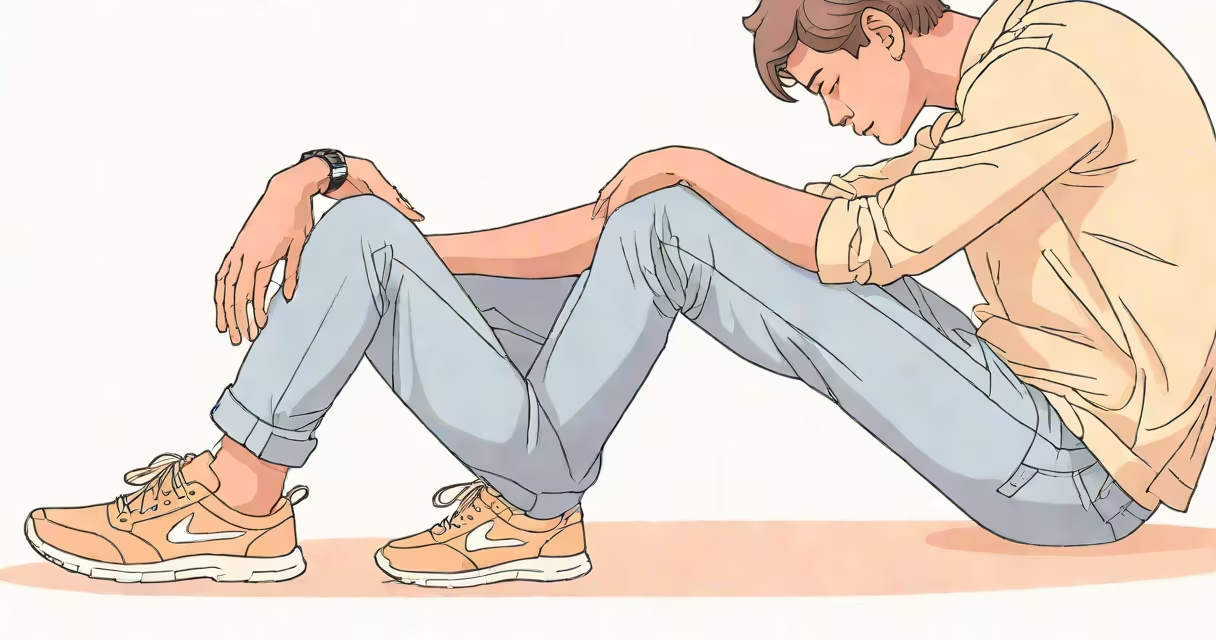
The back of my right leg hurts due to irritation or compression of the sciatic nerve, muscle strain, or referred pain from the lower spine. This sensation often radiates from the lower back through the buttock and down the back of the thigh, sometimes extending to the calf or foot.
Sciatica is the most common cause. It occurs when the sciatic nerve-formed by nerves from the lower spine-is compressed or inflamed. The nerve runs from the lower back, through the buttock, and down the back of each leg. Pressure on it anywhere along this path can trigger pain behind the right leg.
Other causes include muscle strains from sudden movements, prolonged sitting, or overuse during exercise. Referred pain from spinal issues such as herniated discs or spinal stenosis may also manifest in the posterior leg. A 2021 study published in Spine Journal found that 85% of patients reporting sciatica-like symptoms had imaging evidence of disc herniation or foraminal narrowing at L5-S1.
Pain in the back of the right leg typically originates in the lumbar spine. The sciatic nerve branches from the L4-S3 nerve roots. When these roots are compressed-by a bulging disc, bone spur, or tight piriformis muscle-the signal travels down the nerve's path, causing sharp, burning, or tingling sensations behind the leg.
For example, a person lifting heavy boxes with poor form may compress the L5 nerve root. This leads to pain that starts in the lower back, moves into the right buttock, and extends down the back of the right thigh. The pain may worsen with sitting, standing, or bending forward.
Non-neurological causes involve soft tissue injury. A hamstring strain from sprinting or sudden stretching can cause localized pain at the back of the knee or upper calf. Unlike nerve-related pain, this type usually improves within days with rest and ice.
Differentiating between nerve-based and musculoskeletal pain helps determine treatment. Below is a comparison of key types:
| Type | Origin | Typical Symptoms | Common Triggers |
|---|---|---|---|
| Sciatica | Nerve compression (L4-S3) | Burning, electric shock, numbness; may extend below knee | Prolonged sitting, twisting motion, disc herniation |
| Hamstring strain | Muscle tear | Sharp pain at back of thigh; worsens with stretching | Sprinting, sudden stops, poor warm-up |
| Referred pain | Spinal joint or disc issue | Dull ache; may feel deep or diffuse | Repetitive bending, lifting, poor posture |
One non-obvious distinction: nerve pain often follows a specific dermatomal pattern. For example, L5 nerve involvement typically causes pain along the outer side of the foot and top of the foot. S1 involvement affects the sole of the foot and heel. Knowing this helps clinicians localize the affected nerve root.
Most cases resolve within a few weeks with conservative care. But certain red flags require prompt medical evaluation. These include:
I experienced this firsthand while coaching a high school track team. One sprinter reported pain behind his right leg after a drill. He initially dismissed it as muscle fatigue. By day three, he couldn't push off with his right foot. An MRI revealed a small L5-S1 disc herniation compressing the nerve root. After two weeks of physical therapy and activity modification, his symptoms resolved.
According to the American Academy of Orthopaedic Surgeons (AAOS), about 15% of people with sciatica progress to needing surgical intervention if conservative treatments fail. Early diagnosis reduces the risk of chronic pain and long-term disability.
Many assume the pain is solely muscular. But if the pain shoots down the leg past the knee or includes tingling, it's likely neurological. Ignoring these signs can delay recovery.
Another mistake is assuming heat therapy helps immediately. Heat increases blood flow, which can reduce stiffness-but it may worsen inflammation in acute nerve irritation. Cold therapy is preferred in the first 72 hours.
Some patients self-diagnose "sciatica" based on internet searches. But not all leg pain is sciatica. For example, peripheral artery disease can mimic nerve pain with cramping in the calf during walking. A vascular assessment may be needed to rule out circulatory causes.
If the pain is mild and recent, try resting for 48 hours, applying cold packs for 15 minutes every four hours, and avoiding activities that stretch the back of the leg. Over-the-counter NSAIDs like ibuprofen can reduce inflammation and pain.
If symptoms persist beyond a week, or if you notice weakness, numbness, or loss of function, consult a healthcare provider. Imaging such as an MRI or CT scan may be needed to assess nerve compression or structural issues.
Recognizing the difference between muscle strain and nerve-related pain ensures faster recovery. The back of my right leg hurts-not just a symptom, but a signal. Acting on it early prevents minor issues from becoming chronic problems.