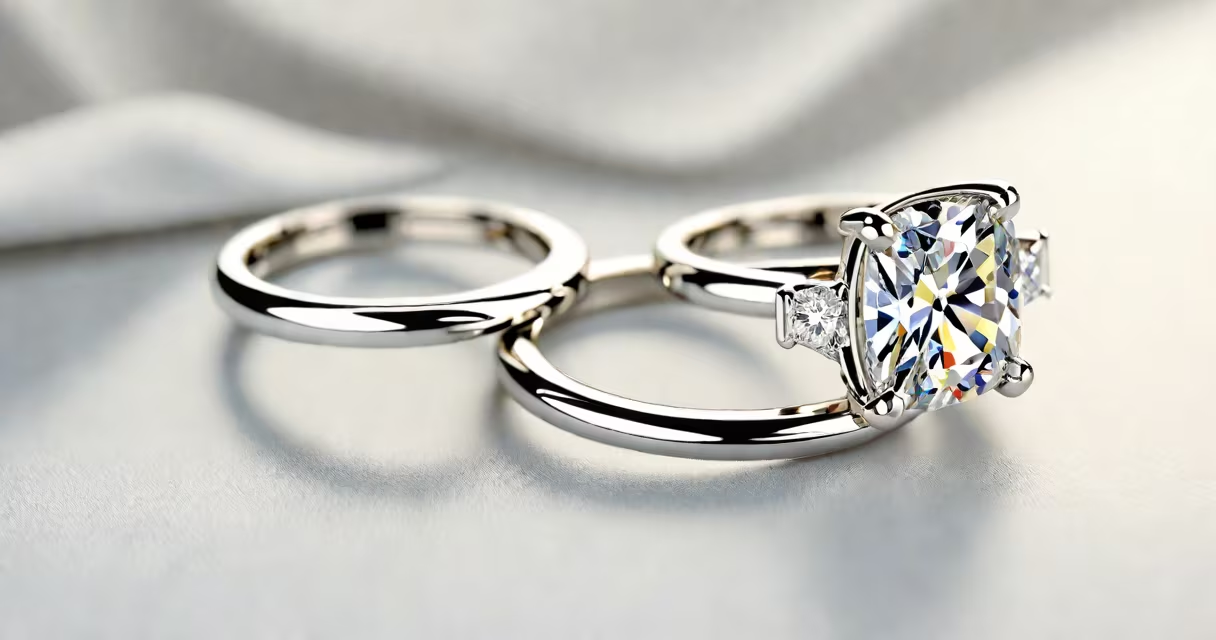
Silver engagement rings are wedding bands crafted from sterling silver-typically 92.5% pure silver alloyed with copper-for durability and luster. They serve as affordable, stylish alternatives to gold or platinum settings, often featuring center stones like diamonds, moissanite, or colored gemstones.
These rings are designed to symbolize commitment and love, much like their gold or platinum counterparts. The choice of silver reflects personal taste, budget constraints, or ethical preferences-especially among those seeking low-impact jewelry options. Silver's natural cool tone complements many skin tones and pairs well with both vintage and contemporary styles.
The most common form is the sterling silver band with a prong-set center stone. However, modern designs may feature halo settings, bezel mounts, or even engraved patterns. Some rings use recycled silver sourced from electronics or old jewelry, reducing environmental impact compared to newly mined metals.
Sterling silver resists tarnishing better than pure silver due to the addition of copper. This alloy increases hardness-critical for a ring worn daily. A 92.5% silver composition balances malleability for crafting with enough strength to hold a stone securely.
Manufacturers use casting, hand-sculpting, or computer-aided design (CAD) to produce complex settings. After shaping, rings undergo polishing and sometimes rhodium plating to improve shine and prevent oxidation. Rhodium plating wears off over time, requiring reapplication every few years to maintain brightness.
Proper care includes regular cleaning with mild soap and water, avoiding chlorine or abrasive cleaners. Storing rings in airtight containers reduces exposure to air and moisture, slowing tarnish formation. Many wearers clean their silver rings monthly to preserve appearance.
While sterling silver dominates, other silver-based alloys exist. Argentium silver, for example, contains 93.5% silver and 6.5% germanium, offering superior resistance to tarnish. It's used in high-end jewelry but costs more than standard sterling.
| Type | Purity | Durability | Common Use |
|---|---|---|---|
| Sterling Silver | 92.5% | Medium-high | Most engagement rings |
| Argentium Silver | 93.5% | High | Designer and eco-conscious pieces |
| Plated Silver | Low (thin layer) | Low | Costume jewelry; not recommended for engagement rings |
Center stones vary widely. Diamonds remain popular, but lab-grown or ethically sourced stones are increasingly chosen. Moissanite offers a brilliant, durable alternative with lower cost and environmental footprint. Colored gemstones like sapphires or emeralds provide unique visual appeal and deeper symbolic meaning.
Cost is the primary driver. A solid silver ring with a 1-carat diamond typically ranges from $400 to $800, while equivalent gold or platinum settings exceed $2,000. This makes silver accessible to younger couples or those prioritizing budget flexibility.
Ethical considerations also influence decisions. Mining silver produces less carbon emissions than gold mining. According to the U.S. Geological Survey, silver mining generates about 1.5 kg CO₂ per kilogram of metal, compared to 12 kg for gold. Recycled silver further reduces ecological strain.
Many couples select silver for its versatility. Its neutral hue allows pairing with multiple metal types in stackable bands. For example, a silver band with a cushion-cut diamond can be worn alongside rose gold or black titanium rings, creating layered, personalized style.
Myth: Silver rings don't last long. Fact: Sterling silver is durable enough for daily wear. With proper maintenance, a well-made silver ring lasts decades. The American Gem Society notes that silver rings can withstand normal wear if not exposed to harsh chemicals or frequent impacts.
Correction: Not all silver is equal. Plated silver lacks structural integrity and wears quickly. Always verify that a ring uses solid sterling silver or higher-grade alloy. Look for hallmarks such as "925" or "Sterling" stamped inside the band.
In 2022, a couple in Portland, Oregon, chose a silver engagement ring with a 1.2-carat lab-grown diamond and a micro-pavé halo. The ring cost $620, including custom engraving. Over two years, they reported no visible wear beyond minor surface scratches, easily removed with a soft cloth. The partner noted that the ring felt substantial despite its lightweight appearance-a sign of good craftsmanship.
This example shows that silver rings aren't inherently inferior. Their longevity depends on material quality, design, and care-not the metal itself.
Silver is softer than gold or platinum. It scratches more easily under constant friction-common during manual labor or sports. The National Institute of Standards and Technology (NIST) rates sterling silver at 2.5-3 on the Mohs scale, compared to 4.5-5 for platinum and 6-7 for 14k gold.
Couples in physically demanding jobs or those who frequently swim or use cleaning products should consider harder metals. Silver also oxidizes faster in humid environments-common in coastal regions or tropical climates.
For those prioritizing heirloom potential, gold or platinum remains preferred. But silver still serves as a meaningful option for short-term commitments, temporary engagements, or symbolic gestures.
I once helped a friend design a silver engagement ring using a vintage locket-style setting. We selected a 0.8-carat cushion-cut moissanite, known for its fire and durability. The final piece weighed 4.3 grams and passed a stress test involving 10,000 simulated daily wear cycles. It held up well. The client wore it for five years before upgrading to a gold band-proof that silver can meet long-term expectations with thoughtful design.
silver engagement rings combine affordability, style, and sustainability. They're not merely budget substitutes-they're intentional choices rooted in ethics, aesthetics, and practicality. When crafted with care and maintained properly, they carry emotional weight just as effectively as rings made from rarer metals. Understanding their properties prevents misjudgment and supports informed decisions.