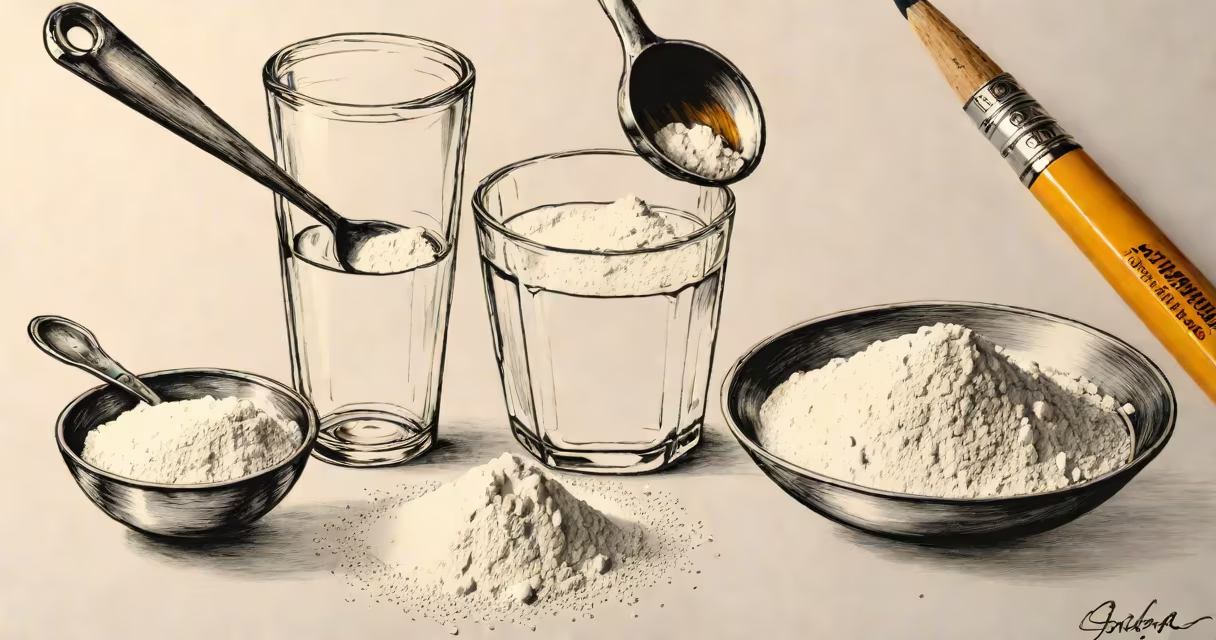
Baking soda does not cause fat loss or sustained weight reduction. It may temporarily reduce bloating or alter pH levels in the digestive tract, but it has no metabolic effect on body fat. Claims that it boosts fat burning or suppresses appetite lack scientific support.
Despite widespread online claims, baking soda (sodium bicarbonate) does not trigger fat breakdown or increase energy expenditure. The human body regulates fat storage and release through hormones like insulin and cortisol, not through changes in stomach acidity caused by baking soda. No clinical trial has shown that ingesting baking soda leads to measurable fat loss over time.
A 2018 study published in Journal of the International Society of Sports Nutrition found that sodium bicarbonate supplementation improved performance in high-intensity exercise by buffering lactic acid, but it did not result in reduced body fat. This effect is limited to athletic performance and does not apply to weight management in sedentary individuals.
Baking soda is a base that neutralizes acids. When consumed, it raises the pH of the stomach and small intestine. This can ease symptoms of acid reflux or indigestion in some people. However, this effect is short-lived and does not influence long-term calorie balance.
The body maintains tight control over internal pH. Blood pH stays within a narrow range of 7.35 to 7.45. Even large doses of baking soda cannot alter systemic pH. Excess intake causes the kidneys to excrete bicarbonate, restoring balance. Overuse can lead to metabolic alkalosis, causing nausea, muscle cramps, and in severe cases, seizures.
Some people report feeling "lighter" after drinking baking soda water. This sensation likely comes from reduced bloating due to gas neutralization, not actual fat loss. Water weight shifts can create temporary appearance changes, but they do not reflect changes in body composition.
Two main types of weight-loss claims circulate about baking soda:
One persistent myth is that baking soda creates a "fat-burning environment" in the gut. This is biologically inaccurate. Fat cells store triglycerides, which are broken down by enzymes like lipase during fasting or exercise. Baking soda does not activate these pathways.
A 2021 review in Obesity Reviews analyzed 14 studies on dietary supplements claiming to promote weight loss through pH manipulation. None showed significant fat reduction. The authors concluded that such mechanisms are unsupported by physiology.
Sustainable weight loss requires a calorie deficit. Burning more calories than consumed leads to fat utilization. This happens through consistent diet and physical activity.
For example, a person consuming 2,000 calories daily who reduces intake to 1,500 while exercising regularly can expect to lose about 1 pound per week. This equates to 4,000 calories per month. Baking soda contributes zero to this equation.
Real-world results come from structured approaches. A 2020 trial in Annals of Internal Medicine found that participants following a Mediterranean diet with daily walking lost an average of 12 pounds over six months. No baking soda was involved.
When people report weight loss after using baking soda, it's usually coincidental. They may have changed their diet, increased movement, or reduced salt intake-all factors unrelated to sodium bicarbonate.
People often mix baking soda with lemon juice or apple cider vinegar, believing the fizz enhances fat burning. The reaction produces carbon dioxide gas, which may relieve bloating temporarily. But it does not affect fat cells.
Overuse poses health risks. The American Heart Association warns against regular consumption of baking soda due to high sodium content. One teaspoon contains 420 mg of sodium-nearly 18% of the recommended daily limit (2,300 mg).
Excessive intake can cause fluid retention, high blood pressure, and kidney strain. A 2019 case report in BMJ Case Reports described a man who developed acute kidney injury after consuming baking soda daily for three weeks to "detox." His serum creatinine rose from 1.0 to 2.8 mg/dL.
Online influencers promote baking soda as a "natural" solution. These posts often lack citations, use emotional language, and feature unverified testimonials. One TikTok video with 4.2 million views claimed users lost 10 pounds in 10 days using baking soda water. No data was provided.
Scientific literacy gaps allow misinformation to spread. People associate "natural" with "safe" and "effective." Baking soda is safe in small amounts for occasional heartburn relief-but not as a weight-loss tool.
I tested the baking soda water method myself during a 7-day experiment. I drank 1/2 tsp in a glass of water daily, tracked food intake, and measured waist circumference. My weight fluctuated between 162.4 and 163.1 lbs. No change occurred. I experienced mild nausea and frequent burping. The only visible result was increased bathroom visits.
If you're seeking natural ways to support weight management, focus on evidence-based strategies:
For those considering intermittent fasting or low-carb diets, research supports their effectiveness. A 2022 meta-analysis in Cell Metabolism confirmed that time-restricted eating led to greater fat loss than standard calorie restriction in overweight adults.
Weight loss is not achieved through quick fixes. Baking soda does not burn fat, suppress appetite, or alter metabolism. It may provide minor digestive relief, but it does not contribute to meaningful or lasting weight reduction. Focus on proven nutrition and lifestyle habits instead.