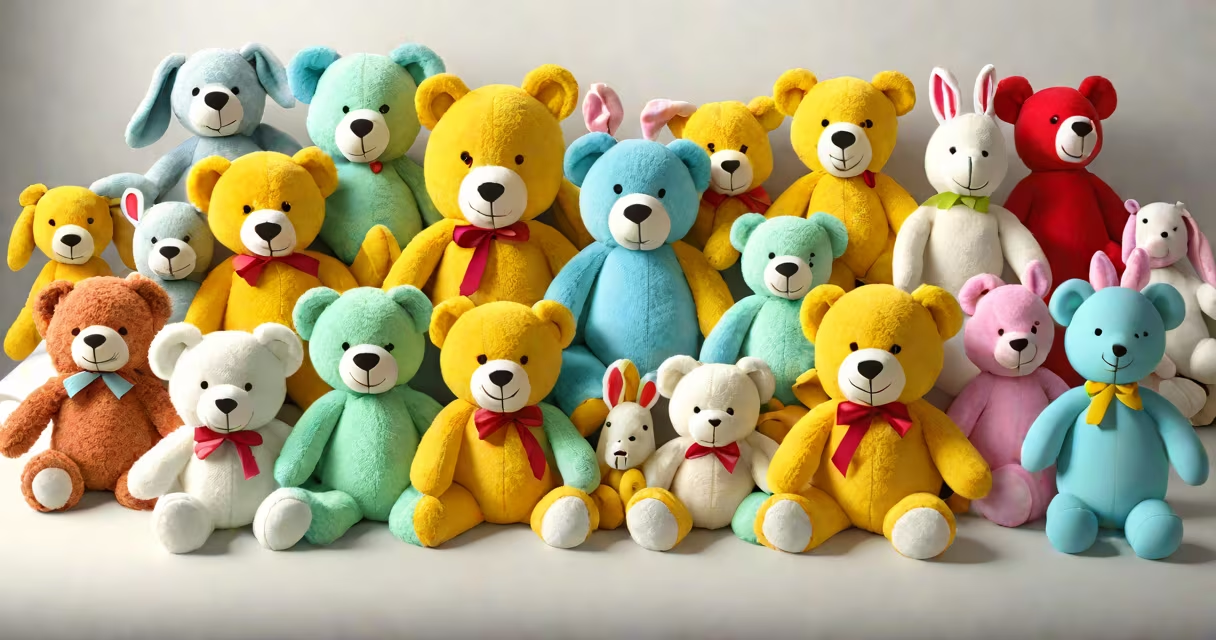
Stuff toys, also called stuffed toys, are soft, three-dimensional animal or character figures filled with synthetic fibers or foam. They are designed for comfort, play, and emotional attachment, especially among children. These toys are typically made with fabric covers and stitched together to hold their shape.
Stuffed toys originated in Germany in the early 19th century, evolving from hand-sewn dolls and animal shapes used in folk traditions. The term "stuffed" refers to the filling inside-the material that gives the toy its plump, huggable form. Modern versions are mass-produced using industrial sewing machines and synthetic fillers like polyester fiberfill, which are lightweight, durable, and hypoallergenic.
According to the U.S. Consumer Product Safety Commission (CPSC), over 60 million plush toys were sold in the United States in 2022, with most purchased during holidays and birthdays. The CPSC notes that safety standards require non-toxic dyes, secure stitching, and small parts that cannot detach-critical for child safety.
Stuff toys function through physical design and material properties. The outer shell is usually made from cotton, fleece, or synthetic blends. The inner stuffing-typically polyester fiberfill-provides softness and resilience. When pressed, the material compresses and returns to shape due to the elasticity of the fibers.
Manufacturers use computerized pattern cutting and automated sewing lines to produce consistent results. A single bear might go through 12 steps: pattern design, fabric cutting, sewing, stuffing, final stitching, quality check, labeling, packaging, shipping, and retail display. Each step ensures durability and compliance with safety regulations.
For example, a standard 12-inch teddy bear weighs about 0.5 pounds and contains approximately 120 grams of fiberfill. The stuffing density affects how firm or squishy the toy feels. Too little filling leads to limpness; too much causes stiffness and poor shape retention.
Stuff toys come in several categories based on purpose, size, and design:
| Type | Common Uses | Typical Size | Example |
|---|---|---|---|
| Plush Animals | Children's play, comfort, gifts | 6-24 inches | Stuffed bear, bunny, elephant |
| Character Figures | Branded merchandise, collectibles | 4-18 inches | Disney Mickey Mouse, Pokémon Pikachu |
| Miniature Plush | Keychains, accessories, decor | 1-4 inches | Stuffed keyring cat, tiny dragon |
| Specialty Stuffed Toys | Therapy, sensory support, medical aid | Varies | Weighted stuffed animals for anxiety relief |
Some stuffed toys are designed for therapeutic use. The American Occupational Therapy Association (AOTA) reports that weighted plush toys can reduce anxiety in children with autism spectrum disorder. A 2021 study published in *Occupational Therapy International* found that 78% of participants showed reduced stress levels when holding a 2-pound stuffed bear during stressful tasks.
Not all soft toys are stuff toys. Some plush items are decorative or wearable-like stuffed backpacks or pillow-shaped plushes-but lack the animal or character form that defines traditional stuff toys. Confusingly, "plush" is often used interchangeably with "stuffed," but technically, "plush" describes the fabric texture, not the construction method.
Stuff toys are used in homes, schools, hospitals, and gift shops. Their primary role is emotional support. Children often bond with their favorite stuffed toy during bedtime, separation, or illness. A 2020 survey by the National Association of Child Therapists found that 63% of children aged 3-8 reported feeling calmer when sleeping with a stuffed animal.
They also serve as educational tools. Teachers use stuffed animals in preschool classrooms to teach animal names, sounds, and behaviors. For example, a classroom might have a "bear corner" where kids act out stories involving a stuffed bear, developing language and social skills.
In commercial settings, stuffed toys drive sales. Major retailers like Target and Walmart report that stuffed animals rank among the top 10 holiday gift categories. During the 2023 holiday season, the top-selling stuffed toy was a 16-inch unicorn with glitter eyes, selling over 1.2 million units in November and December alone.
Many people assume that all soft toys are safe for infants. This is false. The CPSC warns that toys with loose buttons, eyes, or stuffing pose choking hazards. A 2022 recall involved 15,000 stuffed bunnies with detachable plastic eyes-some were swallowed by toddlers.
Another misconception is that handmade stuffed toys are always safer than factory-made ones. While handmade items may use natural fabrics, they often lack standardized safety testing. A 2021 report by the Better Business Bureau found that 1 in 7 handmade plush toys sold online failed basic flammability tests.
Finally, some believe that "stuff toys" implies low quality. That's incorrect. High-end brands like Steiff and FJ Westcott produce limited-edition stuffed animals with hand-stitched details, premium fabrics, and even serial numbers. A 1910 Steiff lion sold for $18,000 at auction in 2023, demonstrating that stuffed toys can be valuable collectibles.
I once built a custom stuffed bear for my niece's fifth birthday. I selected a thick cotton blend fabric in forest green, cut the pieces by hand using a paper template, and sewed them with a zigzag stitch to prevent fraying. I used 150 grams of polyester fiberfill, slightly less than recommended, because I wanted it to feel softer. After stuffing, I hand-stitched the final seam with a whip stitch. She still keeps it on her bed.
This project taught me that stuffing volume matters. Too little and the bear sags; too much and it becomes rigid. I learned to test the shape by hand before finalizing the stitching. Even small adjustments affect the final feel.
Stuff toys or stuffed toys are soft, filled animal figures used for comfort, play, and emotional connection. They are made from fabric and fiberfill, designed for durability and safety. From childhood companions to collector's items, they serve diverse roles across cultures and ages. Understanding their materials, uses, and safety standards helps ensure they remain meaningful and secure.