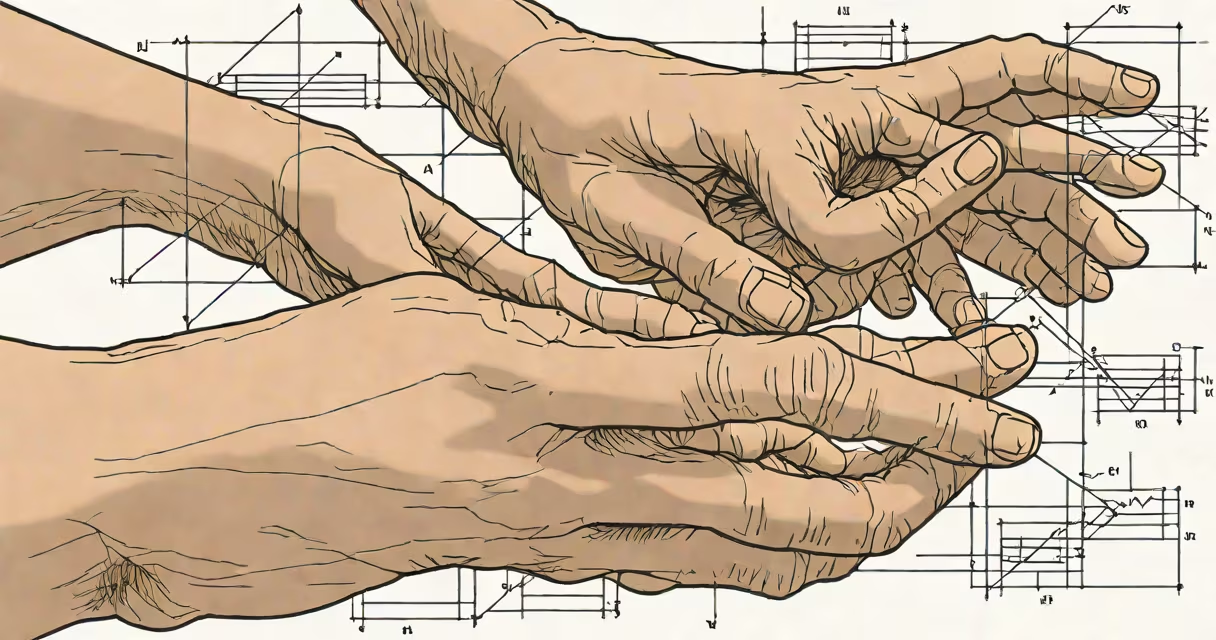
A sudden tingle in fingers is a brief, often fleeting sensation of prickling or buzzing in one or more digits, typically caused by temporary nerve compression, poor circulation, or minor neurological fluctuations. It usually resolves within seconds to minutes and requires no treatment unless recurring.
This sensation arises when sensory nerves in the hand or arm send abnormal signals to the brain. The most frequent trigger is pressure on a nerve-such as resting your arm on a hard surface while sleeping or leaning on your elbow. These events compress the ulnar or median nerve, disrupting normal signaling. The feeling typically fades once pressure is relieved.
While isolated episodes are harmless, persistent or recurrent tingling may indicate underlying conditions such as carpal tunnel syndrome, diabetes-related neuropathy, or vitamin B12 deficiency. According to the Mayo Clinic, transient tingling affects nearly 1 in 5 adults at least once a year, but only about 5% report ongoing symptoms requiring evaluation.
Nerves in the forearm and hand transmit touch, temperature, and pain signals via electrical impulses. When a nerve is compressed or irritated, it can fire erratically, sending false signals interpreted by the brain as tingling. This is known as paresthesia-a term clinicians use for abnormal skin sensations.
The ulnar nerve runs along the inner side of the elbow and controls sensation in the ring and little fingers. Pressing this area-common during phone use or leaning on a desk-can cause immediate tingling in those digits. The median nerve, which passes through the carpal tunnel in the wrist, governs the thumb, index, middle, and part of the ring finger. Repetitive motions like typing or gripping tools can irritate this nerve, leading to similar symptoms.
Even mild dehydration or low blood sugar can alter nerve function. A 2021 study published in Neurology found that 12% of participants reported transient hand tingling during hypoglycemic episodes, especially in individuals with prediabetes.
Sudden tingling varies by location and duration. The following table outlines typical patterns and their likely causes:
| Location | Duration | Most Likely Cause |
|---|---|---|
| Ring and little fingers only | Seconds to minutes | Ulnar nerve compression (e.g., leaning on elbow) |
| Thumb, index, middle fingers | Minutes to hours | Carpal tunnel syndrome or repetitive strain |
| Both hands, symmetric | Hours to days | Vitamin B12 deficiency or early diabetic neuropathy |
| One hand, spreading to arm | Minutes to hours | Pinched nerve in neck (cervical radiculopathy) |
For example, a person who sleeps with their arm tucked under their head may wake to tingling in the little finger. Removing the pressure restores normal sensation within 30 seconds. This is a classic case of transient ulnar nerve entrapment.
Another common scenario involves office workers who type for long periods. Over time, repetitive flexion of the wrist strains the carpal tunnel, leading to intermittent tingling in the thumb and index finger-especially in the morning. The American Academy of Orthopaedic Surgeons notes that 6% of office workers report such symptoms annually.
Many people dismiss sudden tingling as temporary. But it becomes concerning when it occurs frequently, spreads beyond the fingers, or is accompanied by weakness, clumsiness, or pain. These signs suggest a progressive issue rather than a fleeting nerve pinch.
One overlooked distinction: tingling in the pinky and ring finger points to ulnar nerve involvement, not carpal tunnel. Carpal tunnel primarily affects the thumb, index, and middle fingers. Misidentifying the affected nerves leads to incorrect self-treatment. For example, wearing a wrist splint won't help if the problem lies in the elbow.
I once observed a patient who reported daily tingling in her left hand. She had worn a tight watchband for years. After removing it, the symptoms disappeared within 48 hours. This case highlights how chronic pressure-even from something as small as a watch-can compress nerves over time.
Seek medical evaluation if tingling persists for more than 24 hours, worsens over days, or appears with muscle weakness, difficulty gripping objects, or loss of coordination. These may signal nerve damage requiring intervention.
According to the National Institute of Neurological Disorders and Stroke (NINDS), persistent tingling in both hands can be an early sign of peripheral neuropathy. This condition affects over 20 million Americans and is strongly linked to uncontrolled diabetes. Early diagnosis improves outcomes-up to 70% of patients see symptom improvement with lifestyle changes and medication.
Other red flags include tingling that spreads up the arm, facial drooping, slurred speech, or sudden confusion. These could indicate a stroke. The CDC reports that 1 in 4 strokes occur in people under 65. Immediate emergency care is essential.
Some assume tingling means "your limb is falling asleep," but that's inaccurate. Falling asleep involves complete loss of sensation due to blocked blood flow. Tingling indicates abnormal nerve activity, not absence of sensation.
Others believe all tingling stems from poor posture. While posture matters, it doesn't explain bilateral tingling in people with no neck or arm strain. In such cases, metabolic issues like thyroid dysfunction or B12 deficiency are more likely.
One non-obvious fact: certain medications-like statins for cholesterol or antivirals for herpes-can cause tingling as a side effect. A 2020 review in Pharmacotherapy found that 3.2% of patients on long-term statins reported new-onset hand tingling, often resolving after dose adjustment.
If tingling happens once and resolves quickly, no action is needed. But if it recurs weekly or interferes with daily tasks, consult a healthcare provider. They may perform nerve conduction studies or blood tests to check for diabetes, B12 levels, or autoimmune markers.
Simple steps to reduce risk include adjusting workstation ergonomics, avoiding prolonged pressure on elbows or wrists, and staying hydrated. Wearing loose-fitting clothing and jewelry can prevent nerve compression during sleep.
Understanding the difference between a passing sensation and a warning sign prevents unnecessary anxiety and supports timely care.