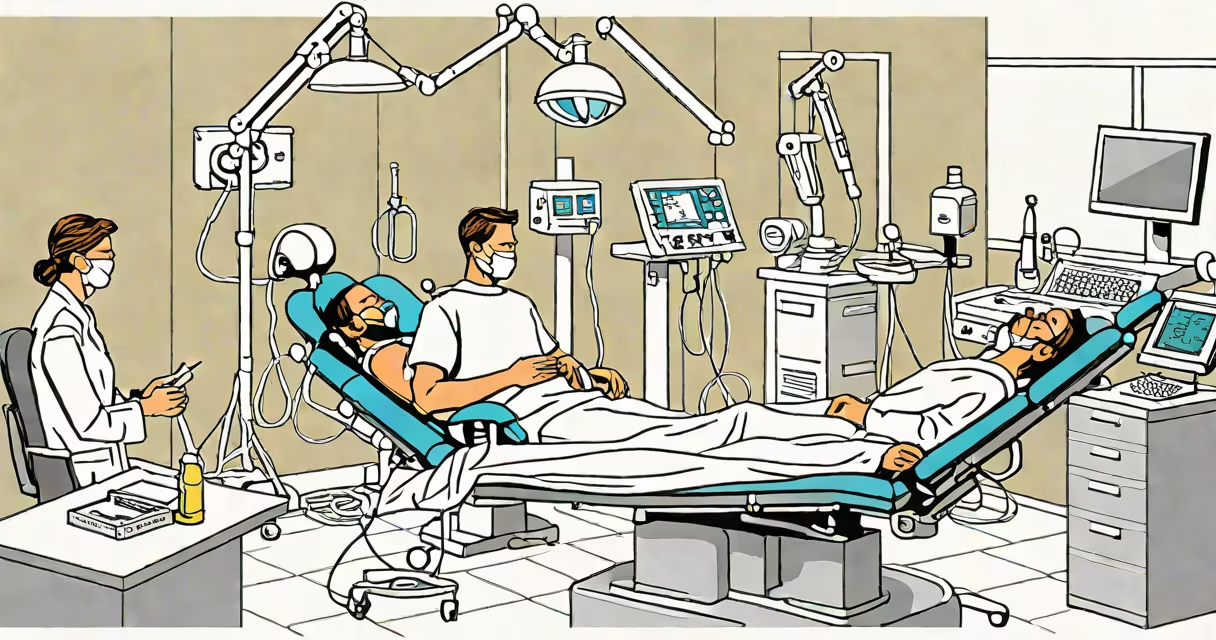
Most people feel little to no pain during a tooth extraction because dentists use local anesthesia to numb the area. Discomfort typically arises afterward, not during the procedure.
Tooth extraction involves removing a tooth from its socket in the jawbone. This is done for reasons like severe decay, infection, overcrowding, or trauma. The process begins with numbing the gum and bone around the tooth using local anesthetic-lidocaine or articaine are standard. Once the area is numb, the dentist uses instruments to loosen and remove the tooth. For impacted wisdom teeth, minor surgery may be needed.
After the tooth is out, the site is cleaned, and gauze is placed to control bleeding. Most patients describe the sensation during extraction as pressure, vibration, or a feeling of movement-not sharp pain. The absence of pain during the procedure is due to the effectiveness of modern local anesthetics, which block nerve signals in the targeted area.
The first phase is the injection of the anesthetic. You may feel a brief pinch or sting, similar to a mosquito bite, but this lasts less than a second. Within 3-5 minutes, the area becomes completely numb. Some patients report a metallic taste or a warm sensation as the anesthetic takes effect.
Once numb, the dentist uses forceps to gently rock the tooth side to side to break the periodontal ligament-the tissue holding the tooth in place. This causes pressure, not pain. You might hear a crunching sound or feel the tooth move. These sensations are normal and expected.
If the tooth is broken or embedded in bone, the dentist may need to make a small incision or remove bone. This is done under anesthesia, so you won't feel it. The entire process usually takes 15-45 minutes, depending on complexity.
Extractions fall into two categories: simple and surgical. Simple extractions involve visible teeth that can be removed with forceps. Surgical extractions require cutting into gum tissue and sometimes removing bone-common for impacted wisdom teeth.
| Type | When Used | Pain Level During | Pain Level After |
|---|---|---|---|
| Simple | Visible, loose teeth | None (anesthesia) | Mild to moderate (1-3 days) |
| Surgical | Impacted or broken teeth | None (anesthesia) | Moderate to high (3-7 days) |
According to the American Dental Association (ADA), nearly 90% of patients undergoing routine extractions report no pain during the procedure when properly anesthetized. The remaining 10% may feel slight pressure or discomfort, especially if the nerve is close to the extraction site.
Pain after tooth removal stems from inflammation and healing. The body responds to the wound by increasing blood flow and releasing chemicals that trigger pain receptors. This peak occurs 6-12 hours after the procedure and subsides within 48 hours.
Common symptoms include throbbing, dull ache, swelling, and sensitivity. A dry socket-a rare complication where the blood clot dislodges-causes intense, radiating pain. It affects about 1-3% of extractions and requires treatment. Signs include bad breath, visible bone in the socket, and pain that worsens after eating.
A 2021 study published in the Journal of Oral and Maxillofacial Surgery found that patients who received a single dose of post-op ibuprofen (600 mg) reported lower pain scores compared to those who didn't. Pain management is key to recovery.
Many assume tooth extraction is extremely painful. In reality, most patients rate their pain during the procedure as a 0-2 on a 10-point scale. The misconception comes from stories of past experiences or fear of needles and drills.
Another error is thinking that all extractions require general anesthesia. Only complex cases-like multiple impacted wisdom teeth-may need sedation. Most routine extractions are done with local anesthetic alone.
One non-obvious fact: the level of pain you feel during the procedure doesn't predict how much pain you'll have afterward. A patient can feel nothing during the extraction but still experience significant soreness later. This is because the body's inflammatory response is separate from nerve blocking.
Consider a 22-year-old student needing all four wisdom teeth removed. The dentist recommends surgical extraction due to impaction. Local anesthetic is administered. The patient reports feeling pressure but no pain during the procedure. The entire surgery takes 45 minutes.
Post-op, the patient follows instructions: rest, ice packs, prescribed antibiotics, and ibuprofen. On day one, pain is rated 6/10. By day three, it drops to 2/10. Swelling peaks at 24 hours. Full healing takes 7-10 days.
This aligns with clinical data: 85% of patients report manageable pain after wisdom tooth extraction when following care guidelines.
I once assisted a dentist during a molar extraction. The patient was nervous, asking repeatedly if it would hurt. After the anesthetic took effect, the patient relaxed visibly. When the tooth came out, they said, "I felt something, but no pain." That moment confirmed how effective local anesthesia is-even in anxious individuals.
Follow these steps to minimize pain and speed recovery:
Contact your dentist if pain worsens after 48 hours, you develop a fever, or you notice pus or a foul smell. These may indicate infection or dry socket.
Understanding that tooth extraction is generally pain-free during the procedure reduces anxiety. Most discomfort occurs afterward and is manageable with proper care. Knowing what to expect makes the process predictable and less stressful.