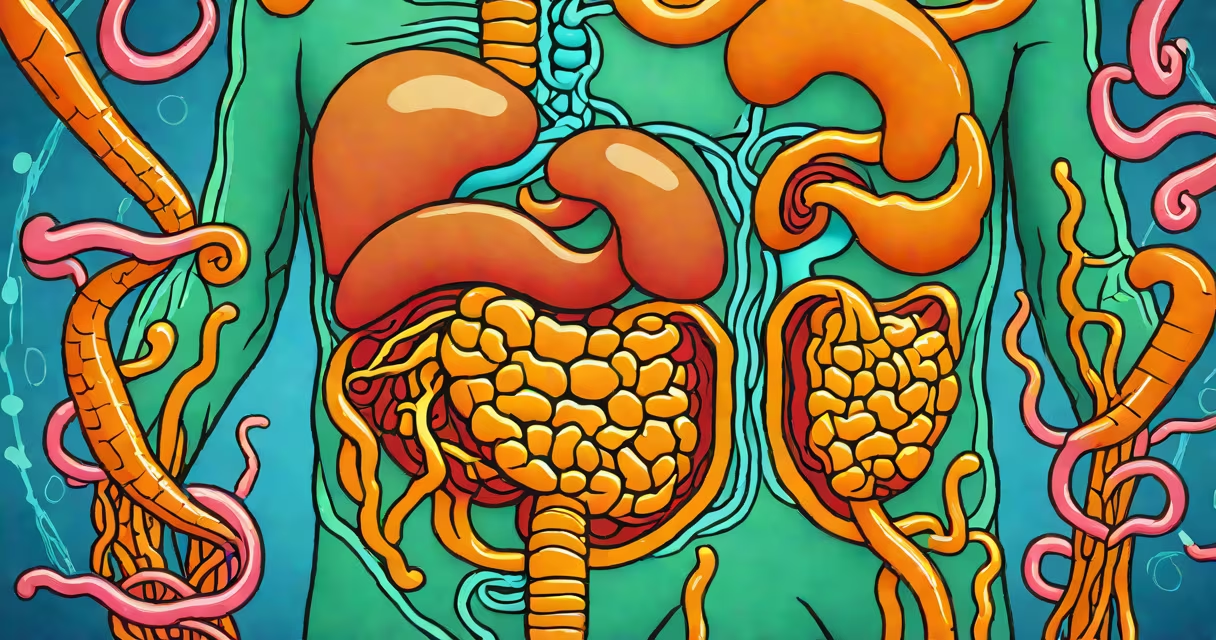
Gastrointestinal (GI) issues refer to conditions affecting the digestive tract, from the mouth to the anus, causing symptoms such as bloating, nausea, abdominal pain, diarrhea, or constipation. These problems arise from disruptions in digestion, absorption, motility, or inflammation.
GI issues stem from a mix of physiological, dietary, microbial, and neurological factors. The digestive system processes food through mechanical and chemical breakdown, nutrient absorption in the small intestine, and waste elimination via the large intestine. When any step fails-due to infection, chronic disease, or lifestyle triggers-symptoms emerge.
According to the National Institute of Diabetes and Digestive and Kidney Diseases (NIDDK), over 60 million Americans experience GI symptoms annually. Conditions like irritable bowel syndrome (IBS), inflammatory bowel disease (IBD), gastroesophageal reflux disease (GERD), and celiac disease account for most cases. Symptoms vary widely but often involve discomfort, altered bowel habits, or systemic effects like fatigue.
The GI tract functions through coordinated muscle contractions (peristalsis), enzyme secretion, and gut microbiota balance. Disruptions in any component lead to dysfunction. For example, insufficient bile production slows fat digestion, leading to fatty stools and malabsorption. Overactive motility causes diarrhea; underactivity leads to constipation.
Nerve signaling between the brain and gut plays a key role. Stress activates the sympathetic nervous system, reducing blood flow to the intestines and slowing motility. This explains why anxiety often worsens IBS symptoms. The gut-brain axis allows psychological states to influence digestive function directly.
A 2021 study published in Gut found that individuals with chronic abdominal pain had higher levels of intestinal permeability-commonly called "leaky gut"-compared to controls. Increased permeability allows bacterial fragments and toxins to enter the bloodstream, triggering immune responses and inflammation. This mechanism links GI issues to autoimmune conditions like rheumatoid arthritis and type 1 diabetes.
GI issues fall into categories based on location and mechanism. The table below outlines major types, their primary symptoms, and known causes.
| Type | Primary Symptoms | Common Causes |
|---|---|---|
| Functional Disorders | Bloating, cramping, alternating diarrhea/constipation | Altered gut motility, stress, diet |
| Inflammatory Conditions | Blood in stool, fever, weight loss | Crohn's disease, ulcerative colitis |
| Metabolic & Immune | Diarrhea after eating gluten, fatigue | Celiac disease, lactose intolerance |
| Infectious | Acute diarrhea, vomiting, fever | Salmonella, norovirus, E. coli |
| Structural | Chronic pain, obstruction signs | Hiatal hernia, diverticulosis, tumors |
Functional disorders like IBS are diagnosed by exclusion-after ruling out structural or inflammatory causes. The Rome IV criteria define IBS as recurrent abdominal pain for at least one day per week over three months, associated with changes in bowel frequency or form.
One non-obvious distinction: not all bloating results from gas. Bloating can stem from fluid retention, delayed gastric emptying, or visceral hypersensitivity. A 2019 clinical trial showed that 40% of patients reporting bloating had normal gas volumes on breath testing-indicating neurological sensitivity rather than physical distension.
GI issues are common across age groups but peak in young adults and older populations. In younger people, functional disorders dominate. In older adults, malignancy risk increases, making persistent changes in bowel habits a red flag.
Diet is a major modifiable factor. High-FODMAP foods-fermentable oligosaccharides, disaccharides, monosaccharides, and polyols-trigger symptoms in sensitive individuals. Foods like onions, garlic, apples, and wheat contain these compounds. A randomized controlled trial found that 75% of IBS patients improved on a low-FODMAP diet compared to 30% on a standard diet.
Antibiotic use disrupts gut microbiota. A single course can reduce diversity by 30% and take months to recover. This imbalance may contribute to long-term GI disturbances. The American Gastroenterological Association recommends probiotics during antibiotic treatment to mitigate this effect.
People often mistake heartburn for a heart attack. While both cause chest pain, heartburn typically occurs after meals and improves with antacids. Heart attacks often involve radiating pain to the left arm, shortness of breath, and diaphoresis. If chest pain persists beyond 10 minutes, seek emergency care.
Another frequent error: assuming all abdominal pain requires imaging. Most acute GI issues resolve within 48 hours with hydration and rest. Imaging is reserved for warning signs-fever, blood in stool, unintentional weight loss, or failure to improve. The American College of Gastroenterology advises against routine CT scans in uncomplicated cases due to radiation exposure and cost.
I've seen patients delay care for weeks because they believed their bloating was "just stress." One patient reported daily bloating for six months. After a colonoscopy revealed early-stage colorectal cancer, surgery removed the tumor. Early detection prevented metastasis. This case underscores why persistent GI symptoms should never be ignored.
Red flags include rectal bleeding, unexplained weight loss, persistent vomiting, or new-onset symptoms after age 50. These warrant evaluation within 72 hours. Chronic diarrhea (>4 weeks) also requires investigation to rule out celiac disease, IBD, or infections like *Clostridioides difficile*.
For mild, intermittent symptoms, lifestyle adjustments often suffice. Increasing fiber intake gradually, staying hydrated, avoiding trigger foods, and managing stress can reduce flare-ups. However, if symptoms interfere with daily life, consult a provider.
Testing may include blood work, stool analysis, endoscopy, or imaging. A colonoscopy is recommended at age 45 for average-risk individuals, per guidelines from the American Cancer Society. Early detection of polyps prevents progression to cancer.
Understanding what are some gi issues begins with recognizing that symptoms aren't always benign. Persistent changes in bowel habits, unexplained pain, or systemic signs like fatigue require medical evaluation. Early intervention improves outcomes and reduces complications.