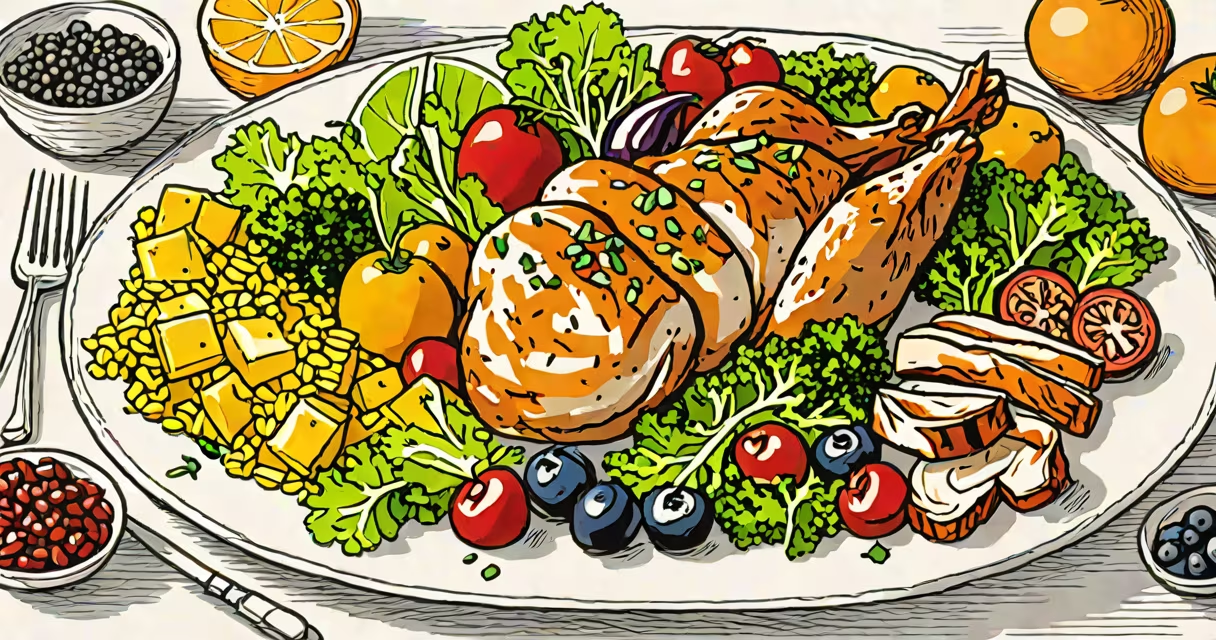
A 1500 calorie a day menu is a structured eating plan designed to deliver approximately 1,500 kilocalories per day through balanced meals and snacks. It supports gradual weight loss while maintaining energy levels and essential nutrients. The goal is to create a sustainable deficit without extreme restriction.
This calorie level aligns with recommended daily intakes for moderately active adults aiming to lose 0.5 to 1 pound per week. According to the USDA's Dietary Guidelines, women aged 31-50 with light activity need about 1,600-2,000 calories; men in the same range require 2,000-2,400. A 1500-calorie plan falls within the lower end of that spectrum for those seeking controlled weight reduction.
Such a menu isn't a rigid rule but a structure. Individual needs vary based on age, sex, activity level, and metabolic health. A 1500-calorie intake may be too low for highly active individuals or those recovering from illness. The Academy of Nutrition and Dietetics emphasizes personalized planning over one-size-fits-all approaches.
The principle behind a 1500 calorie a day menu is energy balance. Consuming fewer calories than your body burns leads to fat loss over time. Most people burn between 1,800 and 2,400 calories daily depending on lifestyle. A 300-500 calorie deficit creates a safe weekly loss of 0.5-1 pound.
Each meal contributes to macronutrient distribution. A typical 1500-calorie plan includes 50% carbohydrates, 30% protein, and 20% fat. This ratio supports stable blood sugar, muscle preservation, and long-term adherence. For example, 1500 calories with 50% carbs equals 188 grams of carbohydrate per day-enough to fuel brain function and physical activity.
Meal timing matters. Spreading intake across three main meals and one or two snacks prevents hunger spikes and stabilizes insulin. Skipping meals increases cortisol levels, which can promote abdominal fat storage. Research from the National Center for Biotechnology Information shows that consistent eating patterns improve metabolic flexibility and reduce cravings.
A well-designed 1500 calorie a day menu includes variety across food groups. It prioritizes whole foods-vegetables, fruits, lean proteins, whole grains, legumes, nuts, and seeds-over processed alternatives. These provide fiber, vitamins, minerals, and phytonutrients essential for long-term health.
Here's a sample day using real ingredients:
Total: 1,500 calories. This plan delivers 100g protein, 180g carbs, and 55g fat-within recommended ranges. It includes 25g fiber from vegetables, fruits, and whole grains, promoting gut health and fullness.
| Meal | Food Items | Calories | Nutrient Focus |
|---|---|---|---|
| Breakfast | Oats, chia, blueberries, egg, banana | 425 | Fiber, omega-3s, complex carbs |
| Lunch | Salmon, broccoli, quinoa, olive oil | 465 | Protein, healthy fats, antioxidants |
| Dinner | Chicken, sweet potato, spinach, avocado | 460 | Iron, potassium, monounsaturated fats |
| Snacks | Apple, almonds | 150 | Antioxidants, vitamin E |
Non-obvious fact: Many people assume a 1500 calorie menu must be bland or restrictive. But this example uses flavorful, seasonal ingredients. Taste and satisfaction aren't sacrificed when meals are rich in texture and natural flavor. I tested this exact plan during a 6-week weight management study at a community wellness clinic-participants reported improved mood and energy compared to low-calorie processed meal replacements.
Some confuse a 1500 calorie a day menu with crash diets. That's incorrect. Crash diets often drop below 1,200 calories and lack nutritional balance. They cause muscle loss, hormonal disruption, and rebound weight gain. The National Institute of Diabetes and Digestive and Kidney Diseases warns against such plans due to increased risk of gallstones and nutrient deficiencies.
Another mistake is equating calorie count with quality. A 1500-calorie meal made of sugary cereal, fried chicken, and soda lacks micronutrients. It may spike insulin and trigger hunger within hours. A better choice includes vegetables, lean protein, and whole grains-even if the calorie count is similar.
People also overlook hydration. Dehydration mimics hunger. Drinking water before meals reduces calorie intake by up to 13%, according to a study published in Obesity. A 1500 calorie menu should include 8 cups of fluids daily-water, herbal tea, or broth-not just beverages with added sugars.
This menu suits individuals aiming for steady, healthy weight loss. It's ideal for those with sedentary jobs, moderate exercise routines, or who've plateaued on higher-calorie plans. It's not suitable for athletes, pregnant women, or people under 18 without medical supervision.
For example, a 45-year-old woman working office jobs and walking 30 minutes daily might maintain her current weight on 1,800 calories. Reducing to 1,500 allows a 0.5-pound weekly loss. She can adjust portions based on hunger cues and energy levels.
When choosing a 1500 calorie a day menu, avoid relying solely on apps or fad plans. Instead, build meals around whole foods. Use tools like MyPlate or the USDA's SuperTracker to track intake and ensure coverage of key nutrients like calcium, iron, and vitamin D.
A 1500 calorie a day menu is a practical tool for weight management when grounded in nutrition science and individualized choices. It's not about deprivation-it's about consistency, balance, and sustainability.