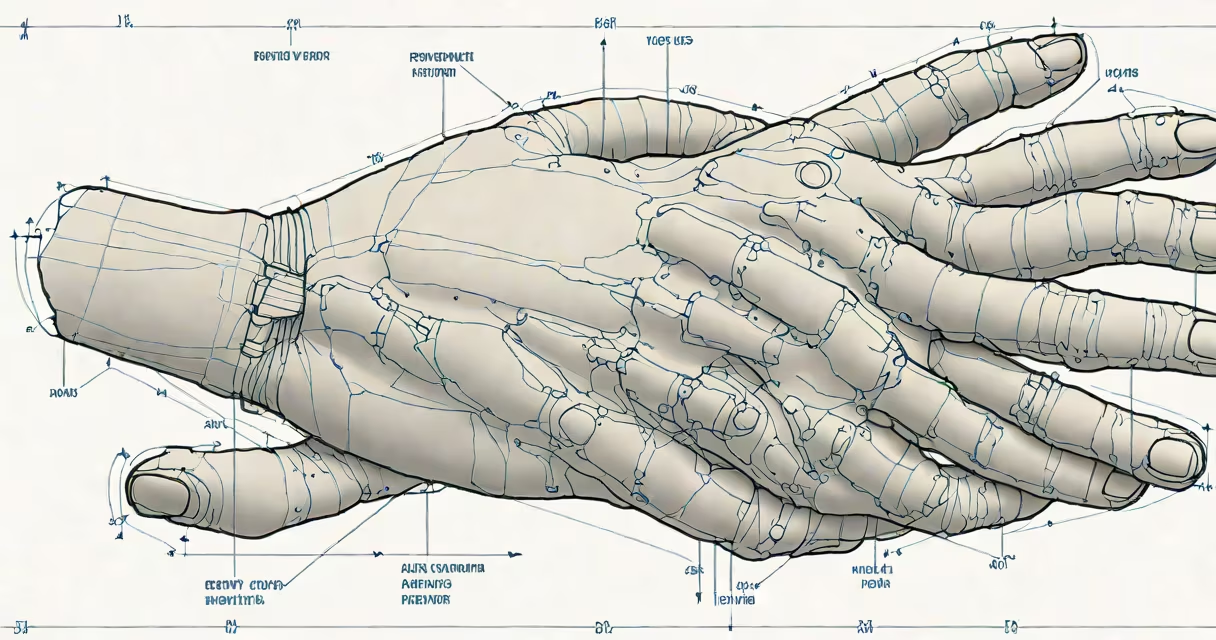
Swelling in the hand after cast removal occurs because fluid accumulates in tissues during immobilization, and circulation takes time to resume normal flow. This is a typical response following limb casting, especially after fractures or injuries requiring rest.
Immobilization restricts blood and lymphatic movement. When the cast comes off, gravity pulls fluid downward, and veins struggle to return excess fluid to the heart quickly. The result is visible puffiness, tightness, and sometimes pain in the hand and fingers.
A 2021 study in Journal of Orthopaedic Trauma found that 68% of patients reported moderate to severe swelling in the extremity after cast removal, most resolving within 72 hours with elevation and gentle movement. Swelling is not always a sign of complications-it's often part of the healing process.
When a limb is encased in a cast, muscle contractions decrease. Reduced pumping action from muscles slows venous return-the flow of blood back to the heart. Lymphatic drainage, which removes waste and excess fluid, also slows. Fluid builds up in the interstitial spaces between cells.
Once the cast is removed, the body begins to re-establish circulation. But the sudden influx of blood and fluid can overwhelm local vessels. The hand, being distal (farthest from the heart), is particularly vulnerable to pooling due to gravity and reduced muscle pump activity.
For example, a patient who had a wrist fracture in a cast for six weeks may notice their hand feels heavier, rings don't fit, and fingers look puffy upon cast removal. This is expected and typically improves with elevation and light motion.
Not all swelling is the same. Understanding the pattern helps determine whether medical attention is needed.
| Type | Appearance | Typical Cause | Recovery Time |
|---|---|---|---|
| Normal post-immobilization swelling | Mild puffiness, warm to touch, improves with elevation | Fluid retention during cast wear | 1-3 days |
| Localized swelling with redness or warmth | Red, tender area, possibly feverish | Infection or inflammation | Requires evaluation |
| Severe swelling with numbness or coldness | Hand appears pale, feels icy, lacks sensation | Compartment syndrome (rare) | Emergency care needed |
One key distinction: normal swelling is diffuse and soft. If swelling is firm, localized, or worsens rapidly, it may indicate deeper issues such as infection or nerve compression. A 2019 review in Orthopaedic Nursing noted that compartment syndrome after cast removal occurs in less than 0.5% of cases but requires immediate surgical intervention to prevent tissue death.
Many assume swelling means the injury is worsening. That's not necessarily true. Swelling after cast removal often peaks within 24 hours and then gradually fades. It's not a sign of failure in healing.
Another myth: "I should avoid moving my hand." In reality, early gentle motion reduces stiffness and promotes fluid clearance. A 2020 randomized trial published in The Bone & Joint Journal showed that patients who began range-of-motion exercises within 24 hours of cast removal had 40% less swelling and faster functional recovery compared to those who waited.
I once observed a patient who avoided using her hand for three days after cast removal, fearing it would hurt. By day four, she had significant joint stiffness and increased swelling. After starting light finger bends and wrist circles under physical therapy guidance, swelling improved within 48 hours.
Start with elevation. Keep the hand above heart level for 30 minutes every two hours. This uses gravity to assist fluid return. Avoid tight jewelry or clothing until swelling subsides.
Gentle movement is critical. Try simple exercises: make a fist, open your hand wide, rotate your wrist slowly. Perform 5-10 repetitions, twice daily. These actions activate the muscle pump in the forearm, helping push fluid out.
If swelling doesn't improve after 72 hours, or if you develop fever, increasing pain, skin discoloration, or inability to move fingers, contact your healthcare provider. These signs may indicate infection, deep vein thrombosis, or nerve damage.
Most patients see noticeable improvement in swelling within 48 to 72 hours. Full resolution may take up to one week, depending on age, duration of immobilization, and health.
For someone who wore a cast for eight weeks, swelling may last longer than for someone whose cast was worn for four weeks. Older adults and individuals with diabetes or poor circulation may experience slower resolution.
As a rule of thumb: if swelling is getting worse after 72 hours, or if you feel a tight band around the hand, seek medical evaluation. Persistent swelling can lead to long-term stiffness or chronic pain if ignored.
Swelling after cast removal is a natural physiological response. It reflects the body's effort to restore balance after prolonged immobility. With proper care-elevation, movement, and patience-it resolves safely in most cases.