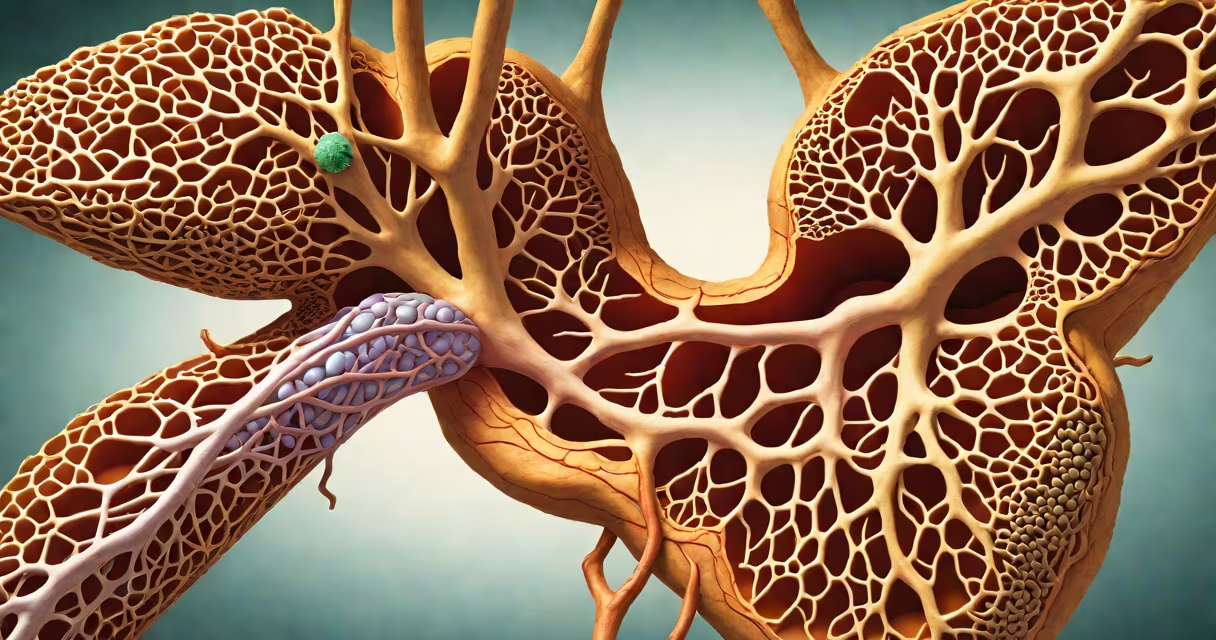
Cholangiocarcinoma, or bile duct cancer, arises from mutations in the epithelial cells lining the bile ducts. It develops when DNA damage accumulates in these cells, leading to uncontrolled growth and tumor formation. The disease can occur in the liver (intrahepatic), near the liver (perihilar), or in the distal bile duct (extrahepatic).
Bile ducts transport bile from the liver to the small intestine. When cells in these ducts undergo genetic changes, they may grow abnormally. These changes often result from long-term exposure to inflammatory stimuli, infections, or inherited disorders. Most cases are diagnosed at advanced stages due to subtle early symptoms.
According to the American Cancer Society, about 10,000 new cases of cholangiocarcinoma are diagnosed annually in the United States. Incidence rates have risen over the past two decades, particularly among people aged 65 and older. Risk factors include chronic liver disease, autoimmune hepatitis, and prior biliary surgery.
Cholangiocarcinoma begins when cells in the bile ducts sustain DNA damage. This damage can stem from environmental exposures, chronic inflammation, or inherited genetic defects. Over time, damaged cells lose normal growth controls and form malignant tumors.
Chronic inflammation plays a central role. Persistent irritation of the bile duct lining leads to repeated cell division and increased chances of mutation. For example, patients with primary sclerosing cholangitis (PSC) face a 10% lifetime risk of developing cholangiocarcinoma. PSC causes scarring and narrowing of bile ducts, creating a pro-cancer environment.
A 2021 study published in *Gastroenterology* found that 40% of cholangiocarcinoma cases had identifiable driver mutations in genes such as *KRAS*, *IDH1*, and *FGFR2*. These mutations activate signaling pathways that promote cell survival and proliferation. Patients with *IDH1* mutations may respond to targeted therapies like ivosidenib, which inhibits the mutant enzyme.
Several conditions increase the likelihood of developing cholangiocarcinoma. The strongest associations involve chronic infection, structural abnormalities, and metabolic diseases.
| Risk Factor | Prevalence in Cases | Key Mechanism |
|---|---|---|
| Primary sclerosing cholangitis (PSC) | 10-15% | Chronic inflammation and fibrosis of bile ducts |
| Liver fluke infection (Opisthorchis viverrini, Clonorchis sinensis) | Up to 30% in endemic regions | Parasite-induced bile duct irritation and DNA damage |
| Choledochal cysts | 5-10% | Abnormal dilation of bile ducts with high malignancy risk |
| Older age (≥65 years) | Most common demographic | Accumulated DNA damage over time |
Geographic variation matters. In Thailand and parts of Southeast Asia, *Opisthorchis viverrini* infection accounts for nearly half of all cholangiocarcinoma cases. The parasite lives in freshwater fish and burrows into bile ducts, releasing toxins and causing chronic inflammation. The World Health Organization classifies this parasite as a Group 1 carcinogen.
Another non-obvious factor is obesity. A 2022 analysis in *The Lancet Gastroenterology & Hepatology* linked a BMI above 30 to a 2.3-fold higher risk of intrahepatic cholangiocarcinoma. Fat accumulation in the liver increases oxidative stress and alters bile composition, promoting cellular damage.
Cholangiocarcinoma is often mistaken for other liver cancers, especially hepatocellular carcinoma (HCC). While both affect the liver, HCC originates in hepatocytes, not bile duct cells. Distinguishing them requires imaging and biopsy. Misdiagnosis delays treatment; HCC responds to different therapies than cholangiocarcinoma.
Some assume cholangiocarcinoma results from gallstones. While gallstones cause cholecystitis and biliary colic, they do not directly cause bile duct cancer. However, longstanding obstruction from stones can lead to chronic inflammation, indirectly increasing risk. A 2019 study in *Clinical Gastroenterology and Hepatology* showed that gallstone history raised risk by only 1.5 times-far less than PSC or fluke infection.
Another misconception is that cholangiocarcinoma always presents with jaundice. While yellowing of skin and eyes is common, early-stage disease may cause no visible signs. Abdominal pain, weight loss, and fatigue are nonspecific and easily attributed to aging or gastrointestinal issues. By the time jaundice appears, the tumor may have spread beyond the bile ducts.
In 2020, a 67-year-old man from northern Thailand presented with progressive jaundice and pruritus. He had lived near a river where raw fish consumption was common. Ultrasound revealed a mass in the left lobe of the liver. Biopsy confirmed adenocarcinoma with features of cholangiocarcinoma. Blood tests detected antibodies against *Opisthorchis viverrini*.
He underwent surgical resection of the affected liver segment. Post-op treatment included chemotherapy with gemcitabine and cisplatin. After six months, imaging showed no residual disease. His case illustrates how parasitic infection drives cancer development in endemic areas-a pattern absent in Western populations.
During my time working in a hepatobiliary clinic, I saw a patient with PSC who developed cholangiocarcinoma five years after diagnosis. Despite regular surveillance with MRCP and ERCP, the tumor grew undetected until it caused complete bile duct obstruction. This case underscored the limitations of current screening tools and the need for better biomarkers.
Conditions that mimic cholangiocarcinoma include benign biliary strictures, metastatic cancer to the bile ducts, and inflammatory pseudotumors. Benign strictures often resolve with stenting, while cholangiocarcinoma progresses despite intervention. Differentiating them requires histopathological analysis.
Cholangiocarcinoma differs from cholecystitis and cholelithiasis. The latter involve the gallbladder, not the bile ducts. Symptoms like right upper quadrant pain and fever suggest gallbladder disease, not bile duct cancer. Confusing the two leads to inappropriate treatment.
Understanding what causes cholangiocarcinoma requires recognizing the interplay between genetics, environment, and chronic illness. Early detection remains challenging, but awareness of risk factors enables timely evaluation. People with PSC, liver fluke exposure, or persistent biliary obstruction should undergo regular monitoring to catch cancer before it spreads.