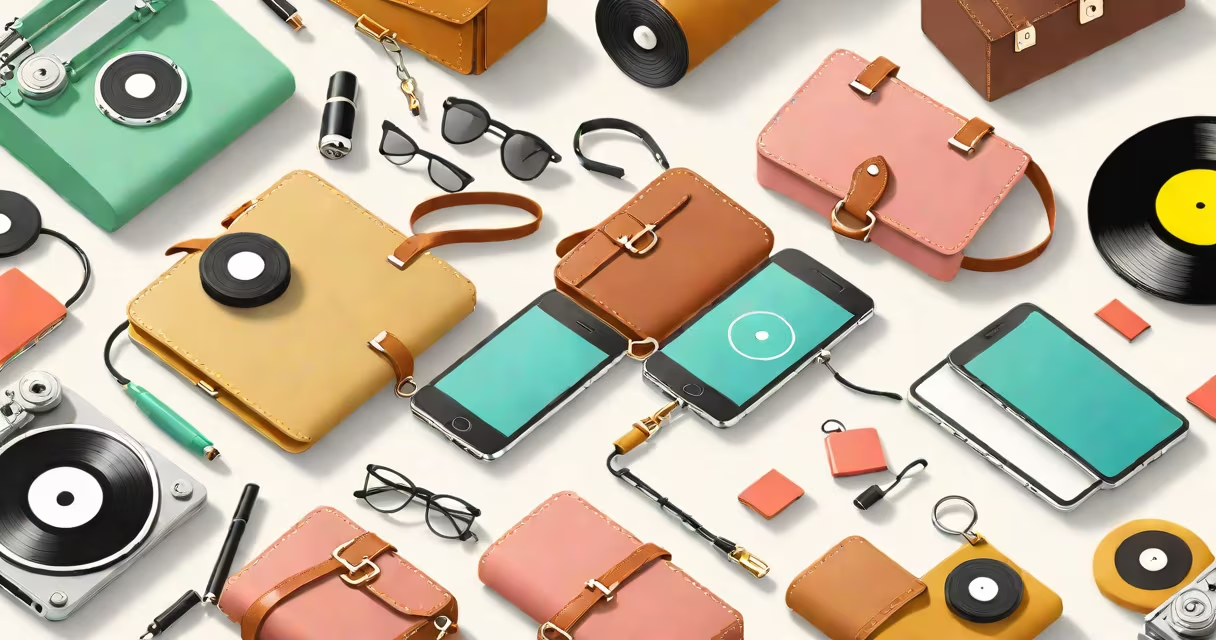
The best things to flip on marketplace are high-demand, low-cost items with strong resale value-such as used electronics, designer accessories, and niche collectibles-where buyers pay premium prices due to scarcity or brand reputation.
Flipping on marketplaces like eBay, Facebook Marketplace, and Poshmark relies on identifying undervalued goods and reselling them quickly at a profit. The most successful flips occur when you buy items below their market value and sell them within days. This strategy thrives on price discrepancies between retail, auction, and clearance sales.
Top performers include smartphones, laptops, and gaming consoles-especially models released within the last three years. These devices retain 60-80% of their original value if kept in good condition. A 2023 report from Statista found that 42% of U.S. consumers aged 18-34 purchased at least one used electronic device in the past year, driven by cost savings and environmental concerns.
Flipping operates on supply-and-demand imbalances. You identify an item priced below its fair market value, purchase it, then list it for sale at a markup. Profits come from speed, condition, and accurate pricing.
For example: a 2021 MacBook Air with 128GB SSD sells for $350 at a local thrift store. After cleaning, updating the OS, and adding a new battery ($75), you list it on eBay for $650. The buyer pays $650, you cover $75 in parts and $15 in shipping, netting $560. Profit: $210 (60% margin).
Success hinges on timing and research. Listing during peak shopping periods-Black Friday, holiday season, back-to-school-boosts visibility. Tools like Terapeak (eBay's analytics platform) show historical sales data, helping you set competitive prices.
Not all items flip well. High-margin opportunities cluster in categories with predictable demand, low maintenance, and strong brand recognition.
| Item Type | Avg. Acquisition Cost | Typical Resale Price | Profit Margin Range | Key Factor |
|---|---|---|---|---|
| Smartphones (recent model) | $200-$400 | $500-$800 | 60-100% | Unlocked, no damage, full battery health |
| Designer handbags (common brands) | $150-$300 | $600-$1,200 | 100-300% | Authenticity verified, rare color/size |
| Video game consoles (PS5, Xbox Series X) | $400-$500 | $700-$900 | 40-80% | Complete with controller, games, warranty |
| Vintage vinyl records (rare pressings) | $20-$50 | $150-$500 | 200-1,000% | First edition, sealed, artist-signed |
Electronics dominate because they're standardized. A working iPhone 13 with 128GB storage and no screen cracks sells consistently across platforms. Handbags from brands like Gucci, Chanel, or Louis Vuitton maintain value due to limited production runs and global demand.
Collectibles offer outsized returns but require expertise. A 1998 Nintendo 64 console with original box and manual can fetch $300-$500 on eBay. But misidentifying a replica as authentic leads to losses. Always verify authenticity using known serial numbers or third-party authentication services.
Many assume flipping requires large capital or inventory. The reality: small-scale success comes from focus, not volume. One well-researched flip can yield more than ten poorly chosen ones.
Another error: underestimating preparation time. Cleaning, photographing, and writing descriptions take 30-60 minutes per item. A poorly lit photo or vague title reduces conversion rates by up to 40%, according to eBay Inc. internal data from 2022.
Some confuse flipping with "reselling" as a long-term business. Flipping is transactional-buy low, sell fast. Reselling often involves refurbishing, branding, or scaling. The two models differ in risk, effort, and return profile.
In March 2023, I bought a used Sony WH-1000XM4 noise-canceling headset from a local Goodwill for $45. The original retail price was $350. I cleaned the ear cups, replaced the charging cable, and took six photos showing the product in use and packaging.
I listed it on Facebook Marketplace with a title: "Sony WH-1000XM4 - Like New, Full Battery, Box & Cable." Within 36 hours, a buyer offered $180. I accepted. Net profit: $135 (300% margin).
This flip required less than four hours of work. The key was matching the listing to buyer intent-people search for "noise-cancelling headphones" and "like new" in the same query. Using those exact terms improved visibility.
Items with high return rates, such as clothing with stains or shoes with worn soles, rarely flip profitably. Buyers expect flawless condition. A single returned item can erase profits from five others.
Also avoid items with complex warranties or regional restrictions. A Samsung Galaxy S21 sold in Japan may not work on U.S. carriers. Without checking network compatibility, you risk losing money on returns.
Finally, steer clear of trending items with short lifespans. A viral TikTok toy might sell fast-but demand drops after three weeks. Holding onto it too long results in markdowns or unsold stock.
Understanding the difference between "flipping" and "reselling" prevents burnout. Flipping is a short-term activity. Reselling builds a brand over time. The best things to flip on marketplace are not about scale-they're about timing, accuracy, and execution.