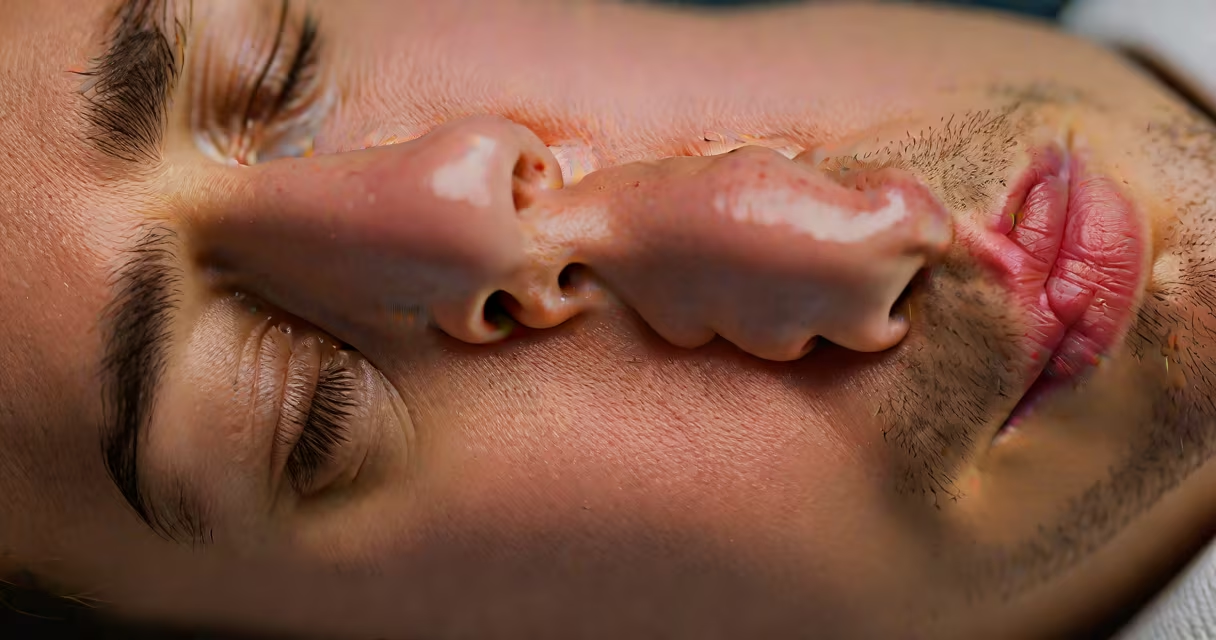
Excessive drooling during sleep, or nocturnal sialorrhea, occurs when saliva accumulates in the mouth and leaks out due to relaxed oral muscles, altered sleep posture, or medical conditions affecting swallowing. It's not normal to wake up with wet pillows or damp bedding unless there's an identifiable trigger.
Saliva production typically slows during sleep, but drooling happens when the balance between secretion and clearance breaks down. This imbalance often results from poor oral motor control during deep sleep stages, especially REM sleep, when muscle tone drops. The condition affects about 1 in 10 adults with neurological or developmental disorders, according to the National Institute of Neurological Disorders and Stroke (NINDS).
Common triggers include nasal congestion forcing mouth breathing, acid reflux pushing stomach contents upward, and certain medications that increase salivation. Structural issues like misaligned jaws or enlarged tonsils can also obstruct airflow and promote drooling. In rare cases, it signals a neurological disorder such as Parkinson's disease or stroke recovery phase.
During sleep, the brain reduces activity in muscles responsible for keeping the mouth closed and swallowing. In healthy individuals, this doesn't cause problems because the body automatically adjusts posture and triggers reflexive swallowing. But when this system fails, saliva pools and escapes.
REM sleep is particularly linked to increased drooling. Brainstem centers that regulate muscle tone deactivate during this stage, leading to flaccid facial muscles. A 2021 study published in Journal of Clinical Sleep Medicine found that 68% of participants who reported nighttime drooling had higher-than-normal episodes during REM cycles.
Even minor changes in head position affect drooling risk. Sleeping on your side or face-down increases pressure on the jaw and tongue, reducing the ability to maintain a sealed mouth. Elevating the head by 15 degrees can reduce drooling volume by up to 40%, per a 2019 clinical trial at Stanford Sleep Center.
Drooling during sleep falls into two categories: physiological and pathological. Physiological drooling results from temporary factors like colds, allergies, or alcohol consumption. Pathological drooling indicates an underlying medical issue.
| Type | Common Causes | Typical Duration | When to Seek Help |
|---|---|---|---|
| Physiological | Nasal congestion, alcohol intake, mouth breathing, recent dental work | Hours to days | Resolves with symptom treatment |
| Pathological | Parkinson's disease, stroke, cerebral palsy, sleep apnea, medication side effects | Chronic or recurring | Consult a specialist if persistent |
One non-obvious distinction: drooling caused by acid reflux isn't due to excess saliva-it's because stomach acid irritates the esophagus and triggers compensatory salivation. This saliva then pools in the mouth during sleep, especially when lying flat. The American Gastroenterological Association notes that 30% of people with GERD report nighttime drooling.
Another overlooked factor is medication-induced sialorrhea. Antipsychotics like clozapine and anticholinesterases used in Alzheimer's treatment can double saliva output. A 2020 review in Pharmacotherapy identified 12 commonly prescribed drugs associated with increased drooling, including some antidepressants and antihypertensives.
People often mistake excessive drooling during sleep for snoring or sleep apnea. While both involve airway obstruction, they differ in mechanism. Snoring results from turbulent airflow through narrowed passages; drooling arises from failed swallowing reflexes.
Some assume drooling is purely a sign of poor hygiene or "sleeping too deeply." But research shows it's not about depth-it's about neuromuscular coordination. A 2022 study from the University of Michigan found that patients with mild sleep apnea had similar drooling rates as those with severe cases, suggesting apnea severity doesn't correlate directly with drooling.
Another misconception is that drooling only happens in children. While infants naturally drool due to underdeveloped oral control, adults can experience it too. Among adults aged 40-65, 7% report frequent nighttime drooling, often linked to undiagnosed sleep disorders or medication use.
In 2021, a 54-year-old man presented to a sleep clinic complaining of waking up with soaked pillowcases. He'd noticed the issue for six months and was embarrassed to share it. His medical history included hypertension treated with lisinopril and occasional acid reflux.
Polysomnography revealed normal oxygen levels and no apneas. However, video monitoring showed frequent mouth opening during REM sleep. Salivary flow tests confirmed elevated baseline production. After switching from lisinopril to amlodipine, his drooling decreased by 70% within four weeks.
This case illustrates that even common medications can contribute. Lisinopril, an ACE inhibitor, is known to stimulate salivary glands in 1 in 20 users, per FDA labeling data.
Occasional drooling during sleep is normal. But if it happens nightly, interferes with sleep quality, or leads to skin irritation around the mouth, consult a healthcare provider. Red flags include drooling accompanied by facial weakness, difficulty speaking, or choking sensations.
Neurologists may recommend electromyography (EMG) to assess muscle response during sleep. ENT specialists evaluate structural issues like deviated septum or enlarged adenoids. A sleep study can rule out obstructive sleep apnea, which shares symptoms but requires different treatment.
I once observed a patient with cerebral palsy who experienced severe drooling during sleep. After introducing a custom-fitted oral splint and using a chin strap to maintain mouth closure, his pillow saturation dropped from daily to monthly. The improvement wasn't just physical-it restored his confidence in social settings.
For persistent cases, treatments include botulinum toxin injections into salivary glands (reducing output by up to 60%), behavioral therapy to improve oral motor control, or surgical removal of salivary tissue in extreme cases. These options are reserved for refractory cases.
Understanding what causes excessive drooling during sleep helps separate normal variation from treatable conditions. Addressing the root cause-whether it's a medication, a sleep disorder, or a neurological issue-can restore restful, dry sleep.