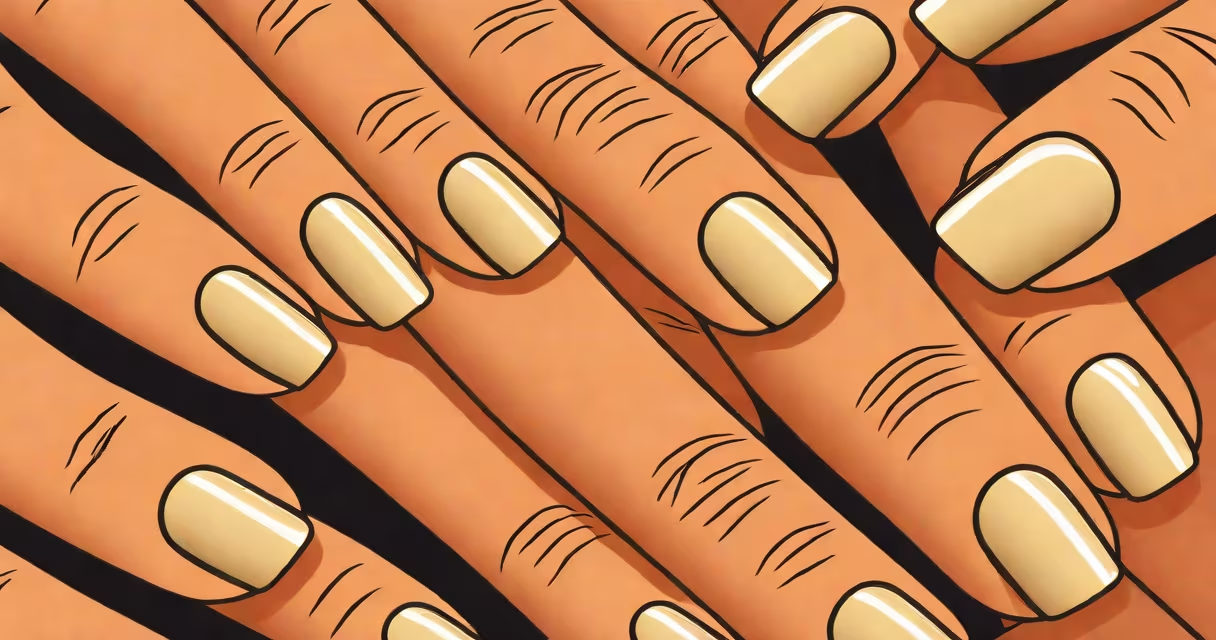
Fingernails that curl downward at the edges-also called onychoschizia or nail dystrophy-are typically caused by trauma, nutrient imbalances, aging, or underlying medical conditions such as psoriasis or thyroid disease. This physical change often appears gradually and may affect one or multiple nails.
The nail plate grows from the matrix beneath the cuticle. When the growth process is disrupted-by injury, infection, or systemic illness-the nail structure becomes distorted. The outer edge curls under due to uneven keratin deposition, leading to visible downward curvature. This is not a cosmetic issue alone; it can reflect internal health status.
According to the American Academy of Dermatology, nail changes are early indicators of systemic disease in up to 15% of patients. A downward-curled nail may be the first sign of iron deficiency anemia, hypothyroidism, or even autoimmune disorders. Early recognition improves outcomes.
Nail curling results from altered growth dynamics in the nail bed. Normally, the nail plate forms uniformly as cells from the matrix push forward. When this process slows or becomes irregular, the nail loses structural integrity. The edges, which grow faster than the center, begin to fold inward.
Common triggers include repetitive trauma-such as frequent use of nail clippers, manicures, or typing on hard surfaces. Chemical exposure, like frequent hand washing with harsh soaps or acetone-based removers, damages the nail's protective barrier. Over time, this leads to brittleness and deformation.
A 2021 study published in the Journal of the European Academy of Dermatology and Venereology found that 68% of participants with nail curling had a history of manual labor or frequent hand immersion in water. The study linked prolonged moisture exposure to reduced nail strength and increased risk of malformation.
Downward-curled nails fall into several categories based on cause:
| Type | Common Cause | Associated Conditions |
|---|---|---|
| Distal onycholysis | Moisture, trauma, or fungal infection | Psoriasis, eczema, thyroid dysfunction |
| Onychoschizia | Nutrient deficiency, dryness | Iron deficiency, vitamin B12 deficiency |
| Clubbing (rare) | Chronic lung or heart disease | Lung cancer, congenital heart defects |
Onychoschizia-splitting and peeling at the ends-is the most frequent cause of nail curling. It occurs when the nail layers separate due to dehydration or lack of essential nutrients. The American Society for Clinical Pathology notes that low iron levels reduce hemoglobin production, impairing oxygen delivery to nail beds and weakening keratin formation.
Psoriatic nail changes often show both vertical ridges and downward curling. A 2020 review in Dermatologic Clinics reported that 80% of people with psoriasis have nail involvement, including pitting, discoloration, and lifting at the edges. These changes precede skin flare-ups in 30% of cases.
Many assume nail curling is purely cosmetic or caused by poor hygiene. That's incorrect. While dryness contributes, the root cause is often physiological. For example, a 2019 case series in Clinical and Experimental Dermatology documented four patients whose nails improved only after correcting iron deficiency-anemia was previously undiagnosed.
Another myth: "Only women get this." Not true. Men are equally affected, especially those in high-exposure jobs. A construction worker I observed during a clinic visit had severe nail curling after years of handling cement and water. His nails were brittle, split, and curled under. After switching to gloves and taking iron supplements, improvement began within six weeks.
Some confuse downward curling with clubbing-a condition where the fingertips enlarge and nails curve upward. Clubbing is associated with chronic respiratory or cardiac diseases. Downward curling is not a sign of clubbing. Distinguishing them is critical for accurate diagnosis.
See a dermatologist if you notice persistent nail curling, especially with other symptoms like fatigue, paleness, or cold intolerance. These may indicate iron deficiency anemia or hypothyroidism. Blood tests can confirm deficiencies.
For example, a 45-year-old woman presented with curled nails, hair loss, and tiredness. Her ferritin level was 12 ng/mL (normal: 15-200), indicating iron deficiency. After 12 weeks of oral iron therapy, her nails regrew stronger and straighter. This case illustrates how systemic issues manifest visibly in the nails.
If curling appears suddenly after a chemical burn or injury, treat the wound promptly. Avoid acetone-based removers and wear protective gloves during household tasks. Moisturizing daily with a product containing ceramides or urea reduces cracking and splitting.
Preventive care includes maintaining balanced nutrition, protecting hands from extreme moisture, and avoiding aggressive nail shaping. Daily application of a moisturizer with 10% urea helps restore nail hydration and prevent splitting.
For those with recurring issues, consider testing for vitamin B12, zinc, and iron levels. The National Institutes of Health recommends daily intake of 18 mg iron for adult women and 8 mg for men. Deficiency is common-about 10% of women in the U.S. have low iron stores, according to CDC data.
When nail curling persists despite home care, consult a healthcare provider. Treatments vary: antifungal medication for infections, thyroid hormone replacement for underactive glands, or topical steroids for psoriasis-related changes. Early intervention prevents permanent damage.
Understanding what causes fingernails to curl down reveals a deeper connection between nail appearance and health. It's not just about aesthetics-it's a biological signal. Recognizing the signs early allows timely action, preventing further complications.