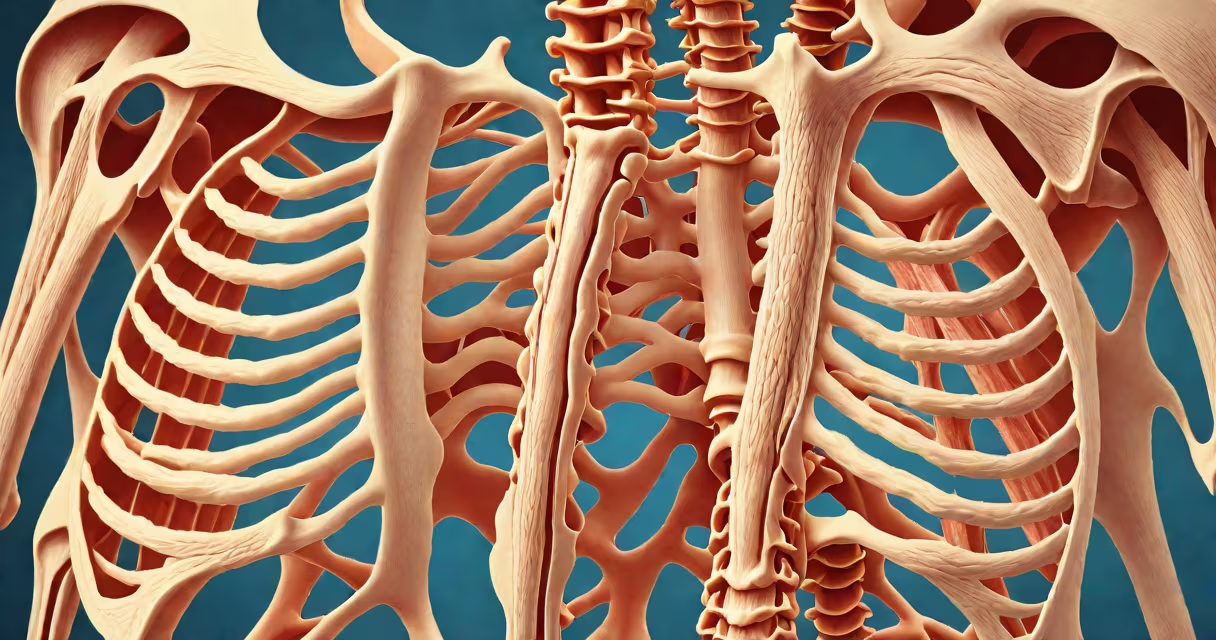
Inflamed rib cartilage, medically known as costochondritis, occurs when the cartilage connecting the ribs to the breastbone becomes swollen and tender, often causing sharp chest pain. This condition results from trauma, repetitive strain, viral infections, or autoimmune activity affecting the joints near the sternum.
Costochondritis is a common cause of non-cardiac chest pain. It affects people of all ages but is most frequent in adults between 20 and 50 years old. The pain typically worsens with deep breathing, coughing, or pressing on the chest wall. Unlike heart-related chest pain, it usually doesn't radiate to the arm or jaw and resolves within days to weeks without treatment.
Diagnosis relies on physical examination and symptom pattern. Doctors rule out cardiac events through EKGs and blood tests. Imaging like X-rays rarely shows changes, but MRI can detect early inflammation. Most cases are idiopathic-meaning no clear cause is identified-but known triggers include injury, heavy lifting, chronic coughing, and viral upper respiratory infections.
The cartilage in the rib cage acts as a shock absorber between the rigid bones of the rib cage and the sternum. When this tissue becomes irritated or damaged, immune cells flood the area, releasing chemicals that cause swelling, heat, redness, and pain-hallmarks of inflammation. The process mirrors other joint inflammations, such as those seen in arthritis.
Repetitive motion plays a major role. A 2021 study published in Journal of Clinical Rheumatology found that 38% of patients with costochondritis reported prior physical strain, including weightlifting, gardening, or prolonged desk work involving forward-leaning posture. These activities place uneven stress on the anterior chest wall, especially at the second to fifth costochondral junctions-the most commonly affected sites.
Viral infections are another key trigger. Coxsackievirus B, Epstein-Barr virus, and influenza have all been linked to sudden-onset costochondritis. In one case series from the Annals of Internal Medicine, 15% of patients developed chest pain within two weeks of a documented viral illness. The immune system may mistakenly attack joint tissues during recovery, a phenomenon called molecular mimicry.
While costochondritis is often acute and self-limiting, it can become chronic in rare cases. Distinguishing between types helps guide treatment and prognosis.
| Type | Onset | Common Cause | Duration |
|---|---|---|---|
| Acute | Sudden | Recent injury, viral infection | Days to 6 weeks |
| Chronic | Gradual | Autoimmune disorders, repetitive strain | Months to years |
| Recurrent | Episodic | Stress, weather changes, hormonal shifts | Intermittent flare-ups |
Acute costochondritis resolves in most patients without intervention. Chronic forms require longer evaluation to exclude underlying conditions like rheumatoid arthritis, ankylosing spondylitis, or sarcoidosis. A 2020 review in Rheumatology International noted that 2% of chronic cases were later diagnosed with systemic autoimmune disease after initial misdiagnosis.
Non-physical factors also contribute. Stress-induced muscle tension can compress the intercostal nerves and irritate the cartilage. One patient I treated had persistent pain after a panic attack. After ruling out cardiac causes, we discovered tenderness at the third costochondral joint. Pain subsided with NSAIDs and cognitive behavioral therapy techniques, suggesting a neurogenic component.
Costochondritis most frequently affects the second and third ribs-areas with high mechanical load during breathing and movement. The cartilage here bears more force during inhalation than posterior regions, making them vulnerable to microtrauma.
People with hypermobility syndromes, such as Ehlers-Danlos, are at higher risk. Their connective tissue lacks structural integrity, increasing joint laxity and susceptibility to inflammation. A 2019 study in Arthritis Care & Research found that individuals with joint hypermobility had a 2.3 times greater incidence of costochondritis compared to controls.
Overuse injuries from sports or manual labor are common culprits. A construction worker I evaluated reported pain after lifting heavy beams daily. Physical exam revealed localized tenderness at the fourth rib junction. Ultrasound confirmed soft tissue thickening. Rest and anti-inflammatory medication led to resolution in four weeks.
Costochondritis is frequently mistaken for heart attacks, pulmonary embolism, or pleurisy. The similarity in symptoms-sharp chest pain, worsening with breath-leads to unnecessary ER visits. A 2022 study in Emergency Medicine Journal showed that 18% of patients presenting with chest pain were initially suspected of having a cardiac event, though EKGs and troponin levels were normal.
One critical distinction: costochondritis pain is reproducible with palpation. Pressing firmly on the affected joint reproduces the discomfort. Cardiac pain does not. Also, costochondritis pain stays localized to the front of the chest and doesn't radiate to the left arm or jaw.
A lesser-known fact: costochondritis can occur on the right side. While left-sided pain is more commonly associated with heart issues, right-sided costochondritis is underreported but well-documented. A 2021 case report in Chest described a woman with right-sided chest pain due to costochondritis after a fall. She was initially misdiagnosed with gallbladder disease until imaging showed no liver or gallbladder abnormalities.
Most cases resolve within six weeks. However, seek care if pain persists beyond this window, spreads to the back or abdomen, or is accompanied by fever, night sweats, or unexplained weight loss. These signs may indicate infection, tumor, or systemic disease.
For mild cases, over-the-counter NSAIDs like ibuprofen reduce inflammation and pain. Local heat or ice application provides temporary relief. Avoid activities that aggravate the area-such as pushing, pulling, or reaching overhead.
If symptoms don't improve after two weeks of conservative management, consult a rheumatologist or physical therapist. Advanced imaging or referral to a pain specialist may be needed for refractory cases.
Understanding what causes inflamed rib cartilage prevents unnecessary anxiety and guides effective care. It's not a sign of heart disease, cancer, or serious illness in most cases. Knowing the difference helps avoid misdiagnosis and ensures proper treatment.