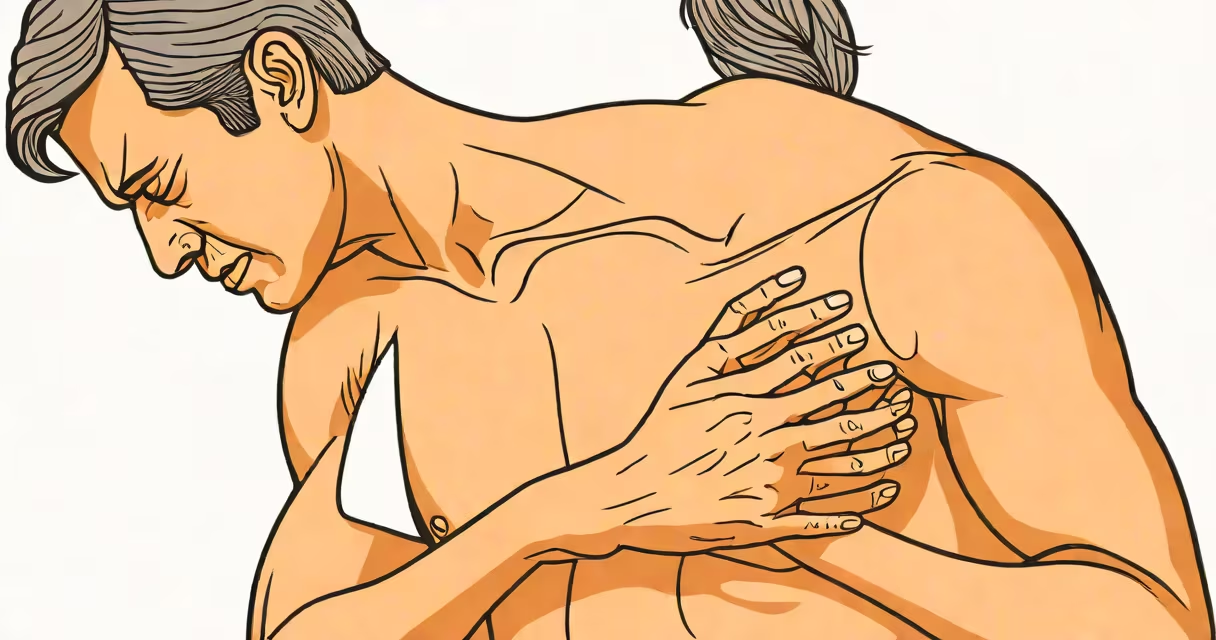
Pain in the left upper chest arises from multiple systems-cardiac, pulmonary, gastrointestinal, musculoskeletal, and psychological sources. It's not a single condition but a symptom requiring careful evaluation based on location, quality, duration, and associated signs.
Left upper chest pain often triggers immediate concern about heart disease. While cardiac causes are serious, they represent only a subset of possibilities. The most common causes include costochondritis (inflammation of rib cartilage), acid reflux, anxiety episodes, and muscle strain. Pulmonary embolism and pneumonia are less frequent but potentially life-threatening contributors.
According to the American Heart Association, chest pain lasting more than 10 minutes, especially with radiation to the jaw or arm, sweating, or shortness of breath, demands urgent medical attention. However, many patients experiencing left upper chest pain do not have heart disease. A 2021 study in JAMA Internal Medicine found that only 15% of emergency department visits for chest pain were due to acute coronary syndrome.
The left upper chest region includes structures from the sternum to the left shoulder blade, encompassing the heart, lungs, esophagus, ribs, muscles, and nerves. Pain originates when tissue is irritated, inflamed, compressed, or damaged. The nervous system transmits signals through intercostal nerves, which run between the ribs, to the spinal cord and brain.
For example, costochondritis causes sharp, localized pain worsened by deep breathing or pressing on the chest wall. The inflammation typically affects the junctions where the upper ribs attach to the breastbone. This condition is often misdiagnosed as heart-related pain because the sensation mimics cardiac ischemia-sharp, pressure-like, and sometimes radiating.
GERD (gastroesophageal reflux disease) causes burning pain behind the sternum that may radiate upward into the neck or downward into the abdomen. The lower esophageal sphincter fails to close properly, allowing stomach acid to rise. A 2020 review in Frontiers in Gastroenterology reported that 30% of patients with non-cardiac chest pain had GERD as the underlying cause.
Understanding the pattern of pain helps narrow the diagnosis. The following table outlines key categories, typical characteristics, and red flags.
| Type | Common Triggers | Pain Quality | Duration | Red Flags |
|---|---|---|---|---|
| Cardiac | Exertion, stress, cold weather | Crushing, pressure, tightness | More than 5 minutes, may come and go | Sweating, nausea, dizziness, arm/jaw radiation |
| Musculoskeletal | Twisting, lifting, trauma | Sharp, localized, worsens with movement | Seconds to hours | Pain reproducible by palpation |
| Gastrointestinal | Large meals, lying down, alcohol | Burning, rising from the stomach | Minutes to hours | Heartburn, regurgitation, relief with antacids |
| Anxiety/Panic | Stressful situations, hyperventilation | Sharp, fluttering, tightness | Minutes to 30 minutes | Shortness of breath, tremors, fear of dying |
| Pulmonary | Recent travel, immobility, surgery | Sharp, worsens with deep breath | Acute onset | Unexplained shortness of breath, hemoptysis |
One non-obvious distinction: cardiac pain rarely improves with position changes. Musculoskeletal pain often shifts with posture-lying on the left side may increase discomfort from costochondritis. This difference is critical in early triage.
Many assume left upper chest pain always indicates a heart attack. That's incorrect. The majority of cases are benign. A 2019 study in Annals of Internal Medicine showed that 85% of patients presenting with chest pain in primary care settings had non-cardiac causes.
Another misconception is that all chest pain is severe. Some people with pulmonary embolism report mild, dull discomfort initially. Others describe a "tight band" around the chest that feels like pressure rather than sharp pain. These subtleties delay seeking care.
I once evaluated a 42-year-old woman who described a dull ache in her left upper chest that came and went over weeks. She assumed it was stress. After a normal EKG and negative troponin, she underwent a CT pulmonary angiogram-which revealed a small clot in a pulmonary artery. Her symptoms were subtle, and she had no shortness of breath. This case highlights how non-specific presentations can mask serious conditions.
Seek immediate care if pain lasts longer than 10 minutes, spreads to the jaw, arm, or back, or occurs with cold sweats, nausea, or sudden weakness. These signs suggest acute coronary syndrome or pulmonary embolism.
For persistent or recurring pain, consult a provider. A thorough history, physical exam, and targeted testing-such as an ECG, chest X-ray, or endoscopy-can identify the root cause. For example, a patient with chronic left upper chest pain and nighttime heartburn may benefit from a 24-hour pH probe test to confirm GERD.