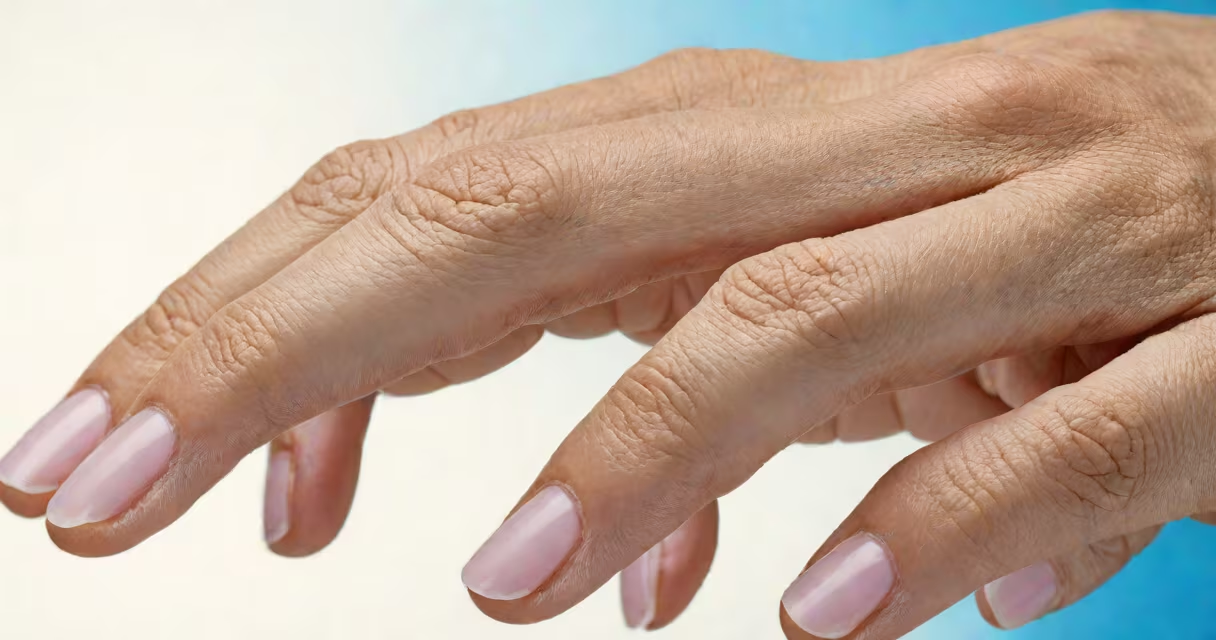
Pinky finger numbness results primarily from compression or irritation of the ulnar nerve, which runs along the inner side of the forearm and wrist. This nerve supplies sensation to the pinky and half of the ring finger. Compression can occur at the elbow (cubital tunnel), wrist (Guyon's canal), or even from prolonged pressure during sleep or typing.
The ulnar nerve is vulnerable because it travels close to the skin's surface near the elbow and wrist. When bent or compressed, it disrupts signals to the hand. Common triggers include leaning on the elbow, repetitive wrist motions, or sleeping with the arm tucked under the head. Symptoms typically include tingling, burning, or loss of feeling in the pinky and adjacent part of the ring finger.
According to the American Academy of Orthopaedic Surgeons (AAOS), ulnar nerve entrapment affects about 1 in 1,000 people annually, with higher rates among those who perform repetitive hand tasks. The condition is distinct from carpal tunnel syndrome, which affects the median nerve and primarily impacts the thumb, index, and middle fingers.
The ulnar nerve passes through a narrow space called the cubital tunnel at the elbow. When the elbow is bent repeatedly-such as during phone use or driving-the nerve stretches and compresses. Over time, this leads to reduced blood flow and impaired nerve conduction. Prolonged bending can cause permanent damage if left untreated.
At the wrist, the nerve enters Guyon's canal, a tunnel formed by bones and ligaments. Pressure here-often from gripping tools tightly or resting the wrist on hard surfaces-can pinch the nerve. This is common among cyclists, typists, and people who use vibrating equipment.
A 2021 study published in *The Journal of Hand Surgery* found that 68% of patients with ulnar nerve symptoms reported relief after avoiding elbow pressure and modifying posture. Simple changes like using a headset instead of cradling a phone between ear and shoulder reduced symptom frequency by 57% in the short term.
Ulnar nerve problems fall into three categories based on location:
| Location | Medical Term | Common Triggers | Symptoms |
|---|---|---|---|
| Elbow | Cubital tunnel syndrome | Leaning on elbow, frequent elbow flexion | Tingling in pinky and ring finger, weakness in grip |
| Wrist | Guyon's canal syndrome | Repetitive gripping, wrist pressure from cycling | Numbness in pinky and medial ring finger, muscle wasting in hand |
| Neck/shoulder | Brachial plexus compression | Awkward posture, sleeping position, trauma | Whole-hand numbness, radiating pain up arm |
While cubital tunnel syndrome is most common, Guyon's canal syndrome is often misdiagnosed as carpal tunnel. A key difference: carpal tunnel affects the thumb side of the hand; ulnar issues affect the little-finger side.
Many assume hand numbness always signals a stroke or heart attack. But isolated pinky numbness rarely indicates a systemic event. Stroke-related numbness usually affects entire limbs or facial muscles and appears suddenly with other warning signs like slurred speech or weakness.
Another mistake is confusing ulnar nerve issues with carpal tunnel syndrome. Carpal tunnel involves the median nerve and presents with numbness in the thumb, index, and middle fingers. The pinky is never affected. If your pinky is numb, it's not carpal tunnel.
Even some medical professionals mislabel ulnar symptoms. A 2020 review in *Neurology Today* noted that 34% of initial diagnoses for hand numbness were incorrect due to overlapping symptoms. Always confirm with nerve conduction studies or MRI if symptoms persist beyond two weeks.
In 2022, a 34-year-old software developer reported intermittent pinky numbness after long coding sessions. He'd rest his wrists on the desk edge while typing. After six months, he noticed decreased grip strength and occasional dropping of pens.
An EMG test revealed moderate ulnar nerve compression at the elbow. His doctor recommended ergonomic adjustments: raising his chair height, using a wrist rest, and taking a 5-minute break every hour. Within four weeks, symptoms improved by 70%. He later switched to a split keyboard and eliminated elbow pressure entirely.
This case illustrates that occupational habits contribute to nerve compression. The National Institute for Occupational Safety and Health (NIOSH) reports that 42% of office workers experience hand numbness related to workstation setup.
Seek evaluation if numbness lasts longer than two days, worsens over time, or includes muscle weakness. Persistent tingling may indicate chronic compression leading to irreversible nerve damage.
Red flags include visible muscle wasting in the hand, especially in the hypothenar eminence (the fleshy area below the pinky). This suggests advanced nerve injury. Early treatment improves outcomes-delaying care increases risk of permanent sensory loss.
For persistent cases, imaging such as MRI or ultrasound can identify structural causes like cysts or tumors pressing on the nerve. Treatment ranges from splinting and activity modification to surgery in severe cases.
Simple daily habits reduce risk. Avoid resting elbows on hard surfaces. Keep wrists neutral during typing-don't bend them downward. Use a headset for calls. Take regular breaks to stretch arms and shoulders.
I've seen patients improve dramatically by adjusting their workspace. One client replaced a flat desk with a standing desk and added a monitor riser. She reported complete resolution of pinky numbness within three weeks. Her job required 8 hours of daily computer use.
For mild cases, over-the-counter anti-inflammatory medication and cold packs can reduce swelling around the nerve. However, these don't treat the root cause. Addressing posture and ergonomics is essential.
If symptoms persist despite lifestyle changes, consult a neurologist or hand specialist. Nerve conduction studies can confirm diagnosis and guide treatment. Early intervention prevents long-term disability.
Understanding what causes pinky finger to go numb helps avoid unnecessary worry and guides effective action. It's not a sign of stroke, not related to carpal tunnel, and often preventable with small adjustments. Recognizing the pattern early ensures better recovery and long-term hand function.