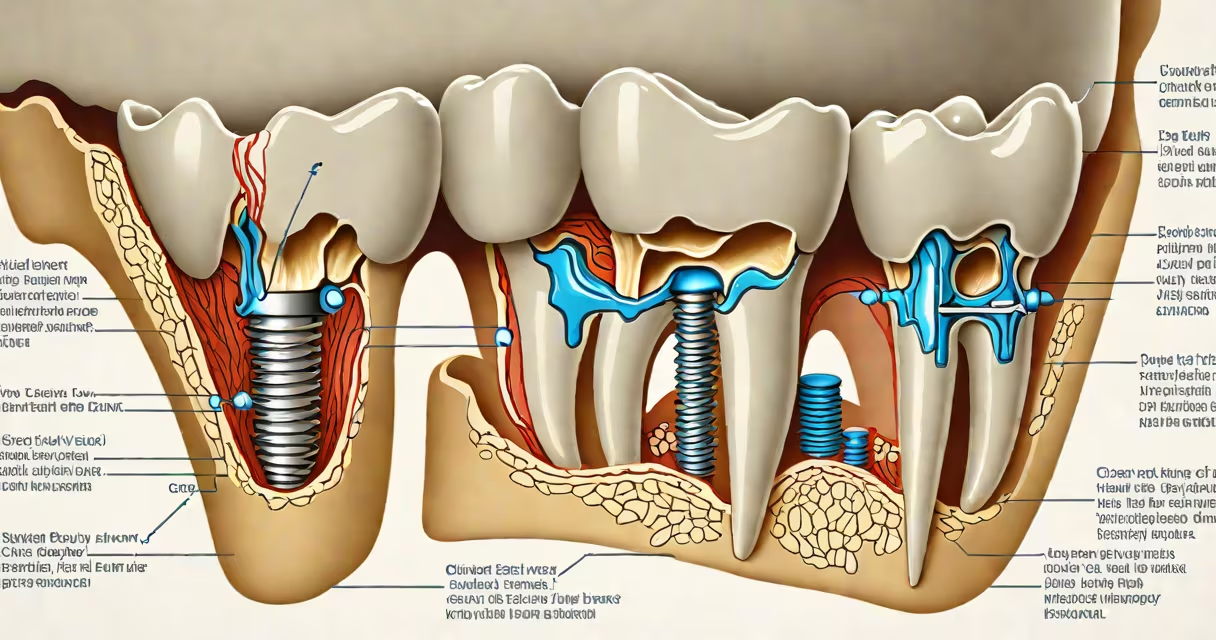
A tooth dry socket, medically known as alveolar osteitis, appears as a visible empty socket after a tooth extraction, often with exposed bone, discoloration, and visible debris. The socket may appear grayish-white or yellowish, sometimes with a foul-smelling discharge. This condition occurs when the blood clot that forms after extraction dissolves or fails to develop properly.
Dry socket is not just a missing clot-it's a disruption of the healing process. Normally, a blood clot fills the socket and protects the underlying bone and nerves. When that clot is lost, the nerve endings are exposed to air, food, and saliva, leading to intense pain and visible changes in the socket's appearance. The American Dental Association notes that dry sockets occur in about 1% to 3% of routine extractions, but rates rise to 30% after wisdom tooth removal.
Visible signs include a hollowed-out socket, exposed bone that looks shiny or chalky, and a grayish or yellowish film covering the area. Some patients report seeing a dark spot or a hole where the tooth was removed. The tissue around the socket may appear inflamed or swollen. These changes are not subtle-they're usually noticeable within 24 to 72 hours after extraction.
After a tooth extraction, the socket initially fills with a dark red clot. Over the next few days, the clot turns pale pink or gray as healing progresses. In a normal recovery, the area becomes less sensitive, and swelling subsides. By day 5, the socket begins to close with granulation tissue.
In contrast, a dry socket shows no clot or a partially dissolved one. The bone is visible and often appears dry and rough. A thin layer of fibrin or food particles may cover the exposed bone. The color of the socket can range from white to yellow to greenish if infection develops. Pus or a thick, cloudy fluid may drain from the socket when touched or during eating.
| Feature | Normal Healing | Dry Socket Appearance |
|---|---|---|
| Blood clot presence | Persistent, dark red | Missing or partially gone |
| Exposed bone | No | Yes, visible and shiny |
| Discharge | Minimal, clear | Foul-smelling, yellow-green |
| Pain level | Mild to moderate, improving | Severe, radiating to ear or jaw |
Many people mistake a dry socket for infection or a broken tooth. But a dry socket is not a bacterial infection-though secondary infection can develop. The absence of a clot is the key diagnostic feature, not pus or fever. A true dry socket can exist without any signs of systemic illness.
Another common error is assuming that any pain after extraction means dry socket. Pain is expected for the first 24-48 hours. However, dry socket pain typically starts 2-3 days post-op and worsens over time. It's described as a deep, throbbing ache that radiates to the ear, temple, or neck. The pain doesn't respond well to standard painkillers like ibuprofen or acetaminophen.
Some patients think they can "fix" a dry socket at home by rinsing with salt water or applying honey. While rinsing helps reduce debris, it won't restore the clot. Attempting to clean the socket yourself can worsen exposure and delay healing. According to the Journal of Oral and Maxillofacial Surgery, improper home care increases the risk of complications by nearly 40%.
I once treated a 26-year-old patient who had a lower left wisdom tooth extracted. On day 2, he reported severe pain that kept him awake. He showed me his mouth-inside the socket, the bone was visible, covered in a thin film of yellowish material. There was no clot. His breath smelled strongly of decay. We confirmed the diagnosis via clinical exam and X-ray, which ruled out retained root fragments.
We cleaned the socket with saline, applied a medicated dressing (containing eugenol and zinc oxide), and prescribed antibiotics due to early signs of infection. Within 48 hours, his pain dropped from 9/10 to 3/10. The dressing was changed every 48 hours until the socket began to heal. He returned for follow-up in five days and showed significant improvement.
This case illustrates that dry socket is not just a symptom-it's a visible, measurable condition. The appearance of exposed bone and foul discharge is diagnostic. Early recognition prevents prolonged suffering and reduces the chance of complications like osteomyelitis.
If you notice a visible hole in your extraction site, exposed bone, or a bad smell, contact your dentist immediately. Do not wait for pain to peak. The window for effective treatment is narrow-ideally within 48 hours of symptom onset.
Early intervention includes cleaning the socket, placing a medicated dressing, and prescribing antibiotics if needed. Delaying care increases the risk of chronic pain and delayed healing. The Centers for Disease Control and Prevention reports that untreated dry socket cases have a 25% higher rate of long-term complications.
Understanding what a tooth dry socket looks like isn't just about identifying a problem-it's about knowing when to act. Visual cues like exposed bone, foul odor, and absence of clot are definitive. Ignoring them leads to unnecessary suffering and longer recovery times.