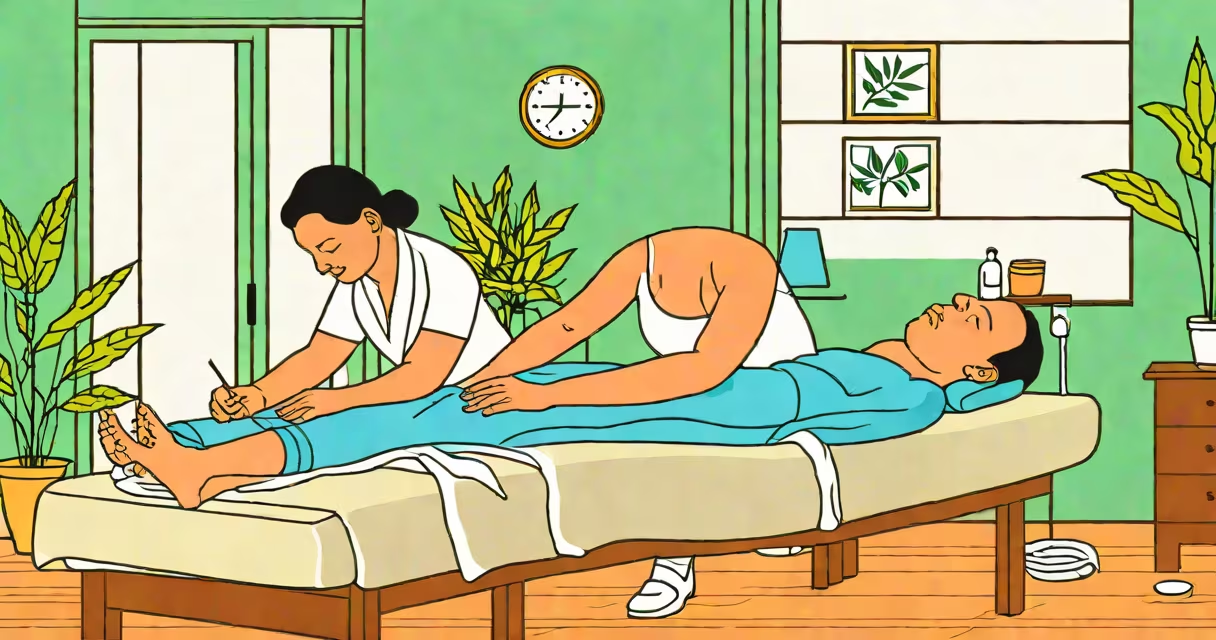
Alternative medicine refers to healing practices that fall outside standard medical care, often emphasizing natural remedies, mind-body connection, and individualized treatment. These approaches are used independently of conventional medicine or in combination with it.
Unlike traditional medicine, which relies on clinical trials, pharmaceuticals, and surgical interventions, alternative medicine draws from historical traditions, cultural beliefs, and anecdotal evidence. It includes practices such as herbal supplements, acupuncture, chiropractic care, meditation, and dietary changes. Some people turn to these methods when conventional treatments fail, cause side effects, or don't align with their values.
The term "alternative" can be misleading. Many practitioners prefer "complementary" or "integrative" to describe approaches used alongside conventional care. The National Center for Complementary and Integrative Health (NCCIH) defines complementary health approaches as those used to standard medical treatments. For example, cancer patients may use acupuncture to reduce chemotherapy-induced nausea while still receiving oncology care.
Alternative medicine operates on several foundational ideas. First, it emphasizes treating the whole person-mind, body, and spirit-not just symptoms. Second, it often prioritizes prevention and self-care over intervention. Third, many systems assume the body has innate healing abilities that can be supported through lifestyle and natural inputs.
For instance, Traditional Chinese Medicine (TCM) views illness as a disruption in the flow of energy, or qi. Acupuncture aims to restore balance by inserting thin needles into specific points along meridians. Research published in JAMA Internal Medicine found that acupuncture reduced chronic pain compared to placebo, though the effect size was modest (Zhou et al., 2017).
Herbal medicine follows similar logic. St. John's Wort, for example, has been studied for mild to moderate depression. A 2016 Cochrane review concluded that it was more effective than placebo and comparable to standard antidepressants, though with fewer reported side effects (Linde et al., 2016).
Alternative medicine covers many practices. They're generally grouped by origin, method, or mechanism. Below are major categories with representative examples:
| Type | Examples | Key Claim |
|---|---|---|
| Natural Products | Herbs, vitamins, probiotics | Support immune function or correct deficiencies |
| Mind-Body Techniques | Meditation, yoga, guided imagery | Reduce stress, improve mental focus |
| Manipulative and Body-Based Methods | Chiropractic, massage therapy | Improve joint mobility and relieve muscle tension |
| Energy Therapies | Reiki, therapeutic touch | Balance biofield energy believed to influence health |
| Whole Medical Systems | Traditional Chinese Medicine, Ayurveda | Complete frameworks with centuries-old roots |
Not all practices have strong scientific backing. Reiki, for example, lacks consistent evidence of physiological impact. A 2010 NCCIH-funded study found no measurable difference in pain reduction between Reiki and sham treatments (Mills et al., 2010).
One common misconception is that "natural" equals "safe." That's false. St. John's Wort can interfere with blood thinners, birth control pills, and certain antidepressants. The FDA warns that herbal supplements aren't regulated for purity or potency, and contamination with heavy metals or other drugs has occurred in multiple recalls.
People seek alternative medicine for various reasons. Chronic conditions like fibromyalgia, migraines, and irritable bowel syndrome often lack definitive cures. When conventional treatments offer limited relief, patients explore alternatives. A 2021 CDC survey found that 38% of adults in the U.S. used at least one form of complementary health practice in the past year.
Some individuals choose alternative medicine due to distrust in pharmaceuticals or fear of side effects. Others value autonomy and want to take an active role in managing their health. Cultural background also plays a role-many Asian and Indigenous communities maintain long-standing healing traditions that remain central to daily life.
I once attended a community wellness fair in Portland where a local healer offered free Ayurvedic consultations. She assessed clients using pulse reading and dietary history, recommending turmeric tea and sleep routines based on dosha theory. While none of her advice had peer-reviewed validation, participants reported feeling more in control of their well-being-a subjective benefit that matters deeply to many.
"Alternative medicine" is often confused with "quackery," but they're not synonymous. Quackery involves fraudulent or dangerous claims lacking any basis in science. Alternative medicine includes both legitimate practices and unproven ones. The key difference lies in evidence, transparency, and safety.
A frequent error is assuming that because something is ancient, it's inherently effective. TCM and Ayurveda are rich in tradition, but not all components have been tested under modern standards. For example, the use of rhino horn in TCM is based on belief, not biology-and it contributes to endangered species extinction.
Another misunderstanding is equating "natural" with "non-toxic." Plants like comfrey contain pyrrolizidine alkaloids, which can cause liver damage when ingested. The NCCIH reports that nearly 1 in 5 herbal supplements sold in the U.S. contains undeclared ingredients or contaminants.
Finally, people sometimes believe alternative medicine can replace proven treatments for serious illnesses. This is dangerous. Cancer patients who abandon chemotherapy for herbal regimens have higher mortality rates. A 2018 study in JAMA Oncology showed that patients choosing alternative medicine over conventional care for curable cancers were twice as likely to die within five years (Ku et al., 2018).
If you're considering alternative medicine, consult your doctor first. Share all supplements, herbs, and treatments you're using. Some interact with prescription medications. For example, ginkgo biloba increases bleeding risk during surgery.
Choose practitioners certified by recognized organizations. Look for credentials like NCCAOM for acupuncturists or NAMS for chiropractors. Avoid anyone promising cures for cancer, HIV, or autoimmune diseases.
Be skeptical of testimonials, especially those posted online. Personal stories are compelling but not evidence. Scientific research requires controlled trials, replication, and peer review.
When used responsibly, alternative medicine can support well-being. But it should never replace evidence-based care for serious conditions. The goal is not to reject science-but to integrate safe, informed choices into a broader health strategy.
Understanding what does alternative medicine mean begins with recognizing its diversity, intent, and limitations. It's not a single system, nor is it universally effective. Yet for millions, it offers tools to manage stress, ease discomfort, and feel more connected to their bodies. The most responsible path combines personal choice with medical oversight.