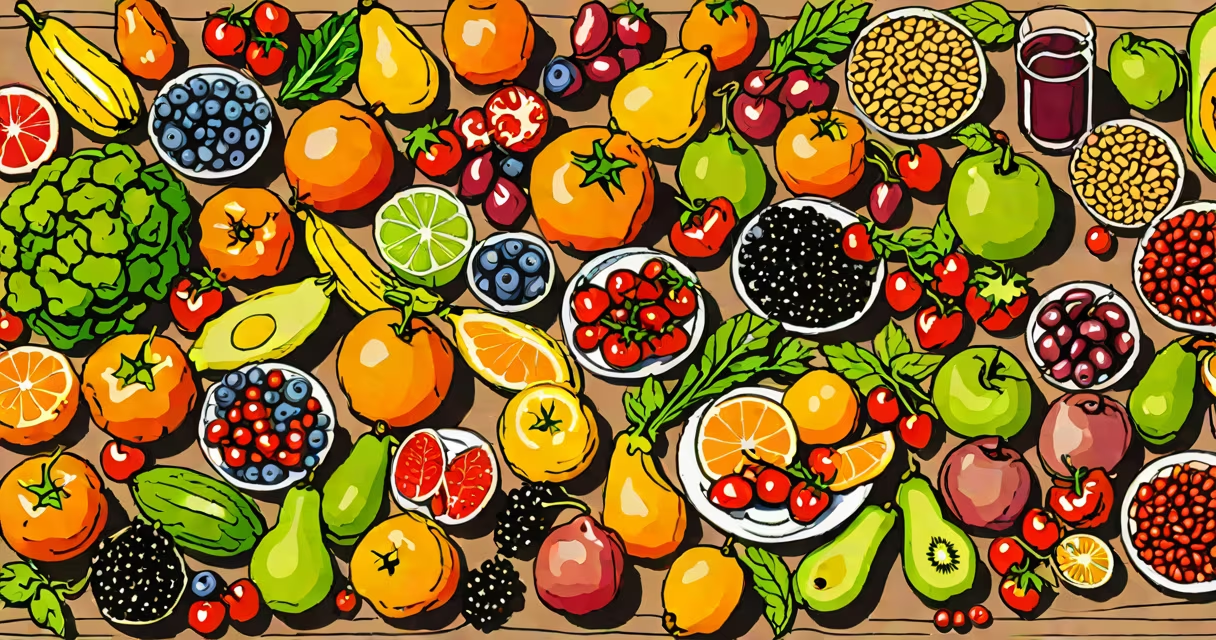
Healthy eating means consistently selecting whole, minimally processed foods rich in vitamins, minerals, fiber, and healthy fats to support physical and mental health over time. It's not about perfection or short-term diets-it's about sustainable patterns that reduce chronic disease risk and improve daily function.
The U.S. Department of Agriculture (USDA) defines healthy eating through the MyPlate model, which recommends filling half your plate with fruits and vegetables, one-quarter with whole grains, and one-quarter with protein-rich foods. The American Heart Association emphasizes limiting added sugars to less than 6 teaspoons per day and reducing sodium intake to under 2,300 milligrams daily. These standards reflect decades of clinical research linking food quality to heart health, blood sugar control, and longevity.
Real-world healthy eating isn't about counting calories or eliminating entire food groups. It's about prioritizing variety, balance, and timing. For example, someone who eats a breakfast of oatmeal with berries and walnuts, a lunch of grilled salmon with quinoa and steamed broccoli, and a dinner of lentil soup with a side salad meets core principles of healthy eating without rigid rules.
When you consume whole foods, your digestive system processes nutrients efficiently. Fiber from vegetables and whole grains slows glucose absorption, preventing insulin spikes. Omega-3 fatty acids in fatty fish reduce inflammation linked to arthritis and heart disease. Antioxidants in dark leafy greens protect cells from oxidative stress.
A 2021 study published in The Lancet found that people who followed a Mediterranean-style diet-rich in olive oil, nuts, fish, vegetables, and whole grains-had a 30% lower risk of cardiovascular events compared to those on a standard Western diet high in red meat, refined grains, and sugary drinks. This effect persisted even after adjusting for age, weight, and exercise levels.
Even small shifts make measurable differences. Replacing one daily serving of sugary soda with water or unsweetened tea reduces the risk of type 2 diabetes by 14%, according to a 2019 analysis in JAMA Internal Medicine.
Healthy eating centers on four pillars: variety, moderation, balance, and consistency. These aren't abstract ideals-they're grounded in nutritional science.
| Foods to Prioritize | Why They Matter | Examples |
|---|---|---|
| Fruits and vegetables | High in fiber, potassium, and antioxidants; linked to lower cancer and heart disease rates | Spinach, blueberries, sweet potatoes, bell peppers |
| Whole grains | Provide sustained energy and support gut microbiome diversity | Oats, brown rice, barley, quinoa |
| Lean proteins | Support muscle repair and hormone regulation | Salmon, beans, lentils, skinless chicken breast |
| Healthy fats | Essential for brain function and cell membrane integrity | Avocado, almonds, olive oil, chia seeds |
Processed snacks, sugary cereals, and fried fast food lack these benefits. A single bag of potato chips contains 15 grams of fat-mostly trans and saturated fats-linked to increased LDL cholesterol and higher stroke risk. In contrast, a handful of raw almonds provides 3 grams of monounsaturated fat, 6 grams of protein, and 3 grams of fiber.
One common mistake is equating "healthy" with "low-fat." Many low-fat products replace fat with sugar to maintain taste. A 2020 review in Nutrition Reviews showed that low-fat yogurt with added fruit syrup often exceeds the sugar content of regular candy bars.
Healthcare providers recommend healthy eating as a primary prevention strategy for conditions like obesity, type 2 diabetes, hypertension, and certain cancers. The Centers for Disease Control and Prevention (CDC) reports that nearly 70% of adults in the U.S. have at least one chronic condition, many of which are influenced by diet.
For example, individuals with prediabetes who adopt a diet high in fiber and low in added sugars can reverse insulin resistance within six months. A 2022 clinical trial at the University of California, San Francisco, showed that participants following a plant-forward diet reduced their HbA1c levels by an average of 0.8 points-equivalent to the effect of some prescription medications.
Another key benefit is improved mental clarity. A 2023 study in BMJ Nutrition, Prevention & Health found that people consuming more than five servings of vegetables daily reported lower rates of anxiety and depression compared to those eating fewer than two servings.
Many assume healthy eating requires expensive ingredients or hours of meal prep. That's not true. A budget-friendly meal of canned beans, frozen vegetables, brown rice, and spices costs under $2 per serving and delivers complete nutrition.
Some believe healthy eating means giving up favorite foods. But balance allows for occasional treats. The key is frequency and portion size. Eating a slice of cake once a week doesn't disrupt long-term health outcomes, but consuming three slices daily increases metabolic strain.
One overlooked fact: gut health is central to wellness. The gut microbiome-composed of trillions of bacteria-thrives on diverse plant fibers. A 2021 study in Cell Host & Microbe found that people who ate 30 different plant species per week had more resilient microbiomes than those eating only 10. That includes herbs, roots, and seasonal produce.
I once tracked my own intake for two weeks using a food journal app. I noticed that meals with at least three colors of vegetables led to better sleep and fewer afternoon crashes. When I skipped vegetables for a day, my focus declined noticeably. This personal observation aligns with research showing that phytonutrients in colorful plants improve cognitive performance.
Healthy eating is not synonymous with extreme dieting. Fad diets like keto or juice cleanses may lead to short-term weight loss but often fail long-term due to poor sustainability and potential nutrient deficiencies.
It's also not about obsessively tracking macros. While monitoring intake can help identify gaps, fixating on numbers leads to disordered eating patterns. The National Eating Disorders Association notes that 30% of people who track calories daily report symptoms of orthorexia-an unhealthy obsession with healthy eating.
Finally, healthy eating doesn't mean eliminating all pleasure. Enjoying a piece of dark chocolate, a glass of red wine, or a homemade cookie is part of a balanced life. The goal is consistency, not purity.
Understanding what healthy eating means in practice helps avoid confusion. It's not a checklist of banned foods or a rigid set of rules. It's a pattern of choices that supports energy, mood, immunity, and longevity. Real health comes from consistent, enjoyable habits-not deprivation.
What does healthy eating mean? It means making food choices that sustain your body and mind over years, not days. It means eating to live well-not living to eat.