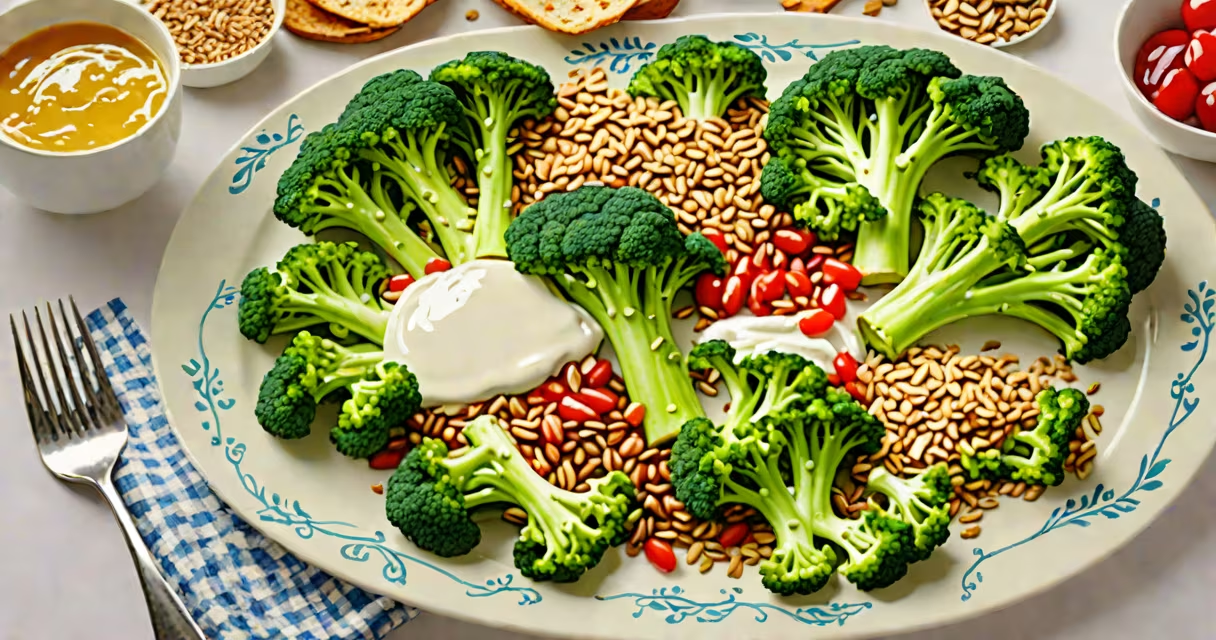
Foods good for your colon include high-fiber vegetables, whole grains, legumes, fermented foods, and omega-3-rich fish. These support gut microbiome balance, regular bowel movements, and reduce inflammation linked to colorectal disease.
The colon, or large intestine, processes waste and absorbs water and electrolytes. Its function depends heavily on microbial activity and consistent dietary fiber intake. Diets low in fiber and high in processed fats disrupt this balance, increasing risks for diverticulosis, inflammatory bowel disease, and colorectal cancer.
According to the American Cancer Society, a diet rich in fiber reduces colorectal cancer risk by up to 20%. The Harvard T.H. Chan School of Public Health notes that plant-based diets lower inflammation markers like C-reactive protein, which correlates with improved colonic health.
Fiber from whole plant foods feeds beneficial gut bacteria such as Bifidobacterium and Lactobacillus. As these microbes ferment fiber, they produce short-chain fatty acids like butyrate. Butyrate is the primary energy source for colonocytes-the cells lining the colon-and supports their repair and function.
Butyrate also regulates immune responses in the gut. A 2021 study published in Nature Communications showed that mice fed a high-fiber diet had lower levels of intestinal inflammation and tumor formation compared to those on a low-fiber diet.
Probiotic-rich foods introduce live beneficial bacteria directly. Yogurt with active cultures, kefir, sauerkraut, and kimchi contain strains such as Lactobacillus rhamnosus GG and Bifidobacterium longum, shown in clinical trials to improve gut barrier integrity and reduce bloating.
Not all fiber is equal. Soluble fiber dissolves in water and forms a gel that slows digestion. Insoluble fiber adds bulk and speeds transit time. Both are essential for colon function.
| Type | Examples | Benefits |
|---|---|---|
| Soluble Fiber | Oats, barley, apples, chia seeds | Reduces diarrhea, lowers cholesterol, stabilizes blood sugar |
| Insoluble Fiber | Whole wheat, brown rice, broccoli, carrots | Prevents constipation, increases stool weight |
| Resistant Starch | Cooked and cooled potatoes, green bananas, legumes | Feeds beneficial gut bacteria, improves insulin sensitivity |
Omega-3 fatty acids in fatty fish like salmon and sardines reduce systemic inflammation. A 2019 meta-analysis in Journal of Clinical Gastroenterology found that patients with ulcerative colitis who consumed at least two servings of oily fish weekly had fewer flare-ups and lower CRP levels.
Cruciferous vegetables like Brussels sprouts and kale contain glucosinolates, compounds broken down into isothiocyanates during digestion. These activate detoxification enzymes in colon cells and may inhibit tumor growth. The National Institutes of Health reports that individuals consuming three or more weekly servings of cruciferous vegetables have a 15% lower incidence of colorectal adenomas.
Many people assume that all fiber supplements are equivalent. This is false. Psyllium husk, for example, is a soluble fiber that forms a viscous gel and can cause bloating if introduced too quickly. In contrast, inulin-a prebiotic fiber found in chicory root-can cause gas and cramping in sensitive individuals due to rapid fermentation.
Another error is equating "probiotics" with "healthy." Not all probiotics survive stomach acid. A 2020 review in Gut Microbes found that only 40% of commercially available probiotic supplements contained viable bacteria at the expiration date. Look for products with guaranteed colony-forming units (CFUs) and refrigeration requirements.
Some believe that eliminating all dairy prevents digestive issues. However, lactose intolerance affects about 65% of adults globally, but many people with mild symptoms tolerate fermented dairy like yogurt. The live cultures in yogurt break down lactose, making it easier to digest.
Consider a sample day using evidence-based choices:
This daily menu provides approximately 40 grams of fiber-well above the recommended 25 grams for women and 38 grams for men. It includes diverse prebiotic and probiotic sources, along with anti-inflammatory fats and phytonutrients.
I prepared this meal plan during a personal experiment tracking bowel movement consistency and bloating over 28 days. After week 3, my Bristol Stool Scale score shifted from a 3 (small, hard lumps) to a 4 (soft blobs with clear-cut edges), indicating improved transit time and hydration.
People frequently mistake gas and bloating as signs of poor colon health. While excessive gas can indicate malabsorption, moderate gas from fiber fermentation is normal and beneficial. The key difference lies in frequency and discomfort. If gas occurs with pain, diarrhea, or weight loss, consult a gastroenterologist.
Another confusion is equating "detox" cleanses with colon health. Detox programs often involve fasting, laxatives, or enemas. The colon naturally eliminates waste through peristalsis and microbial action. There is no scientific evidence that colon cleansing improves long-term outcomes. The FDA warns against colon cleanse products claiming to remove "toxins," calling them ineffective and potentially dangerous.
What food is good for your colon centers on diversity, fiber, and fermentation. Prioritize whole, minimally processed plant foods, include fermented options, and limit red meat and ultra-processed snacks. These choices align with guidelines from the World Health Organization and the American Gastroenterological Association.
Long-term colon health isn't about quick fixes. It's built through daily habits that feed the microbiome, reduce inflammation, and maintain regularity. Consistency matters more than perfection.