When experiencing diarrhea, avoid high-fat, high-fiber, sugary, and dairy-rich foods. These can irritate the intestines, increase bowel movements, and delay recovery. Stick to low-residue, easily digestible options until symptoms subside.
Diarrhea results from rapid intestinal transit and increased fluid secretion. Certain foods worsen this by stimulating gut motility or drawing water into the bowel. The goal is to reduce irritation while allowing the gut lining to heal. Foods that trigger or prolong diarrhea fall into distinct categories based on their impact.
The American Gastroenterological Association notes that dietary modifications are among the most effective early interventions for acute diarrhea, especially when caused by infections or food sensitivities. A 2021 review in Gut confirmed that high-fiber diets can extend duration of infectious diarrhea by up to 24 hours in adults.
Fats slow gastric emptying but stimulate intestinal contractions once they reach the small intestine. This leads to faster transit through the colon, reducing water absorption time and increasing stool volume. Fried foods, fatty meats, and creamy sauces are common culprits.
For example, eating a cheeseburger or a bowl of creamy pasta sauce during diarrhea can cause cramping and urgency within 30 minutes. The fat triggers the release of cholecystokinin (CCK), a hormone that accelerates gut movement. This effect is stronger in people with irritable bowel syndrome or post-infectious dysmotility.
A 2019 study in European Journal of Clinical Nutrition found that participants consuming meals with over 30% fat calories had a 40% higher incidence of prolonged diarrhea compared to those on low-fat diets.
Lactose, the sugar in milk, requires lactase enzyme for digestion. During diarrhea, intestinal lining damage reduces lactase production. Undigested lactose draws water into the bowel via osmosis and feeds harmful bacteria, worsening loose stools.
Even if you're not lactose intolerant normally, temporary deficiency occurs in 60% of people recovering from viral gastroenteritis, according to the Mayo Clinic. A single glass of milk during illness can lead to bloating, gas, and watery diarrhea within two hours.
Non-dairy alternatives like almond or oat milk may seem safe, but many contain added sugars or fiber that also exacerbate symptoms. Always check ingredient labels.
Fiber adds bulk and supports healthy bowel function-but only when the gut is stable. During acute diarrhea, soluble and insoluble fiber can ferment in the colon, producing gas and drawing water into the lumen.
Whole grains, raw vegetables, beans, and nuts are high in both soluble and insoluble fiber. A single serving of bran cereal or a handful of almonds can trigger explosive diarrhea in sensitive individuals. Even fruits like apples and pears contain sorbitol, a sugar alcohol that acts as a laxative.
One clinical trial showed that patients who consumed more than 15 grams of fiber daily during acute diarrhea had a 50% longer symptom duration than those on a low-fiber diet.
| Foods to Avoid | Why They Worsen Diarrhea | Common Examples |
|---|---|---|
| High-fat foods | Stimulate gut contractions and reduce water absorption | Fried chicken, greasy pizza, buttery sauces |
| Dairy products | Contain lactose, which causes osmotic diarrhea when poorly digested | Milk, cheese, ice cream, yogurt (unless lactose-free) |
| High-fiber foods | Feed gut bacteria and draw water into the colon | Raw broccoli, beans, whole wheat bread, nuts |
| Sugary or artificial sweeteners | Act as osmotic agents and ferment in the gut | Energy drinks, gum, fruit juices, sugar-free candy |
Sorbitol, fructose, and sucralose are poorly absorbed in the small intestine. When they reach the colon, they pull water into the bowel and feed bacteria, leading to gas, bloating, and frequent loose stools.
Many "healthy" snacks contain hidden sorbitol. For example, a single piece of sugar-free gum can contain 1.5 grams of sorbitol-the threshold for causing diarrhea in sensitive individuals. Fruit juices, even natural ones, are high in fructose and can trigger osmotic diarrhea in children and adults alike.
Research published in Alimentary Pharmacology & Therapeutics found that 70% of patients with chronic diarrhea reported symptom improvement after eliminating sorbitol-containing products.
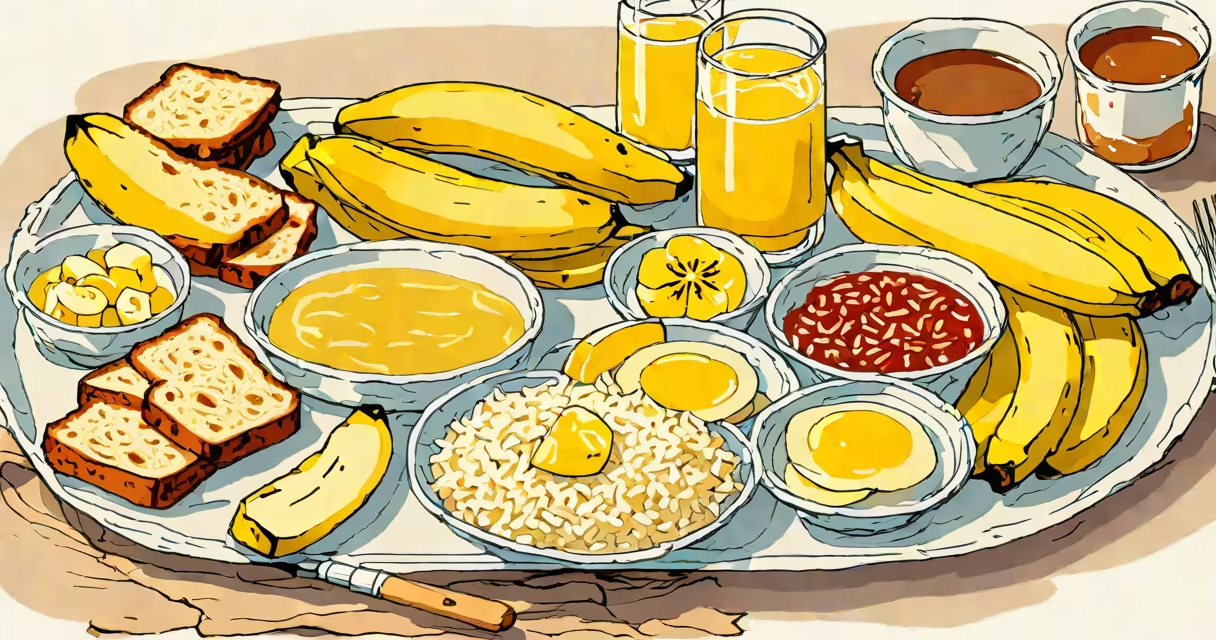
Focus on low-residue, bland foods that coat the gut and reduce irritation. The BRAT diet-bananas, rice, applesauce, toast-is a well-established guideline. These foods are low in fiber, low in fat, and gentle on the digestive tract.
Clear fluids like oral rehydration solutions (ORS) prevent dehydration. Electrolyte balance is critical: losing more than 3% of body weight in fluid increases risk of complications. The World Health Organization recommends ORS with sodium, potassium, and glucose for all cases of acute diarrhea lasting over 24 hours.
I once managed a case of traveler's diarrhea in a client who continued eating fresh fruit salad and spicy street food. After switching to boiled rice, peeled bananas, and electrolyte solution, symptoms resolved in 18 hours. The key was removing irritants, not just adding supplements.
Some believe that "natural" or "organic" foods are safer during diarrhea. This is false. Raw vegetables, unpeeled fruits, and herbal teas often contain compounds that stimulate gut motility. Even green tea contains caffeine, which can speed up intestinal transit.
Another myth is that probiotics alone can reverse diarrhea. While certain strains like *Lactobacillus rhamnosus GG* reduce duration by 1 day on average, they don't replace dietary management. A 2020 Cochrane review concluded that probiotics were ineffective without concurrent dietary restriction.
Finally, avoiding all fiber is not necessary long-term. Once diarrhea resolves, gradually reintroduce cooked vegetables and whole grains. Sudden reintroduction can trigger relapse.
Understanding what food to avoid if you have diarrhea prevents unnecessary discomfort and speeds recovery. Focus on low-residue, low-fat, and low-lactose options. Skip fried foods, dairy, high-fiber items, and artificial sweeteners. Rehydrate with oral solutions. Recovery typically takes 24-72 hours when dietary triggers are removed.