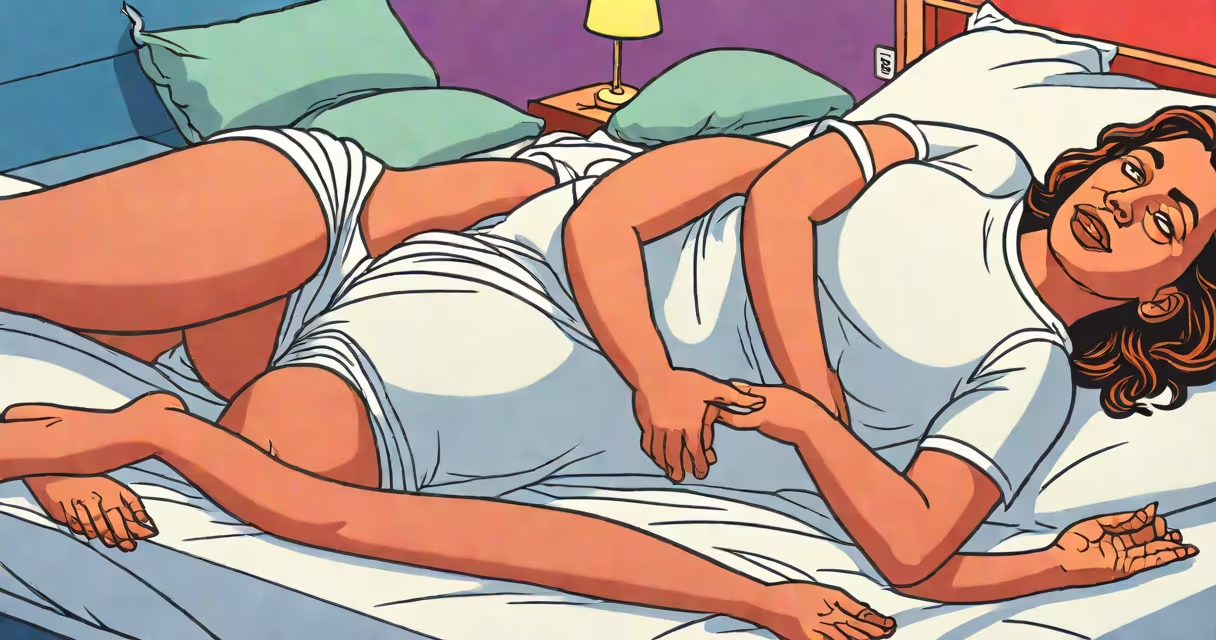
Extreme bloating from period is a physical symptom marked by significant abdominal swelling, discomfort, and tightness that occurs in the days leading up to or during menstruation due to hormonal fluctuations, primarily rising progesterone and estrogen levels. This condition affects up to 75% of people who menstruate, though severity varies widely.
Bloating during the menstrual cycle results from increased progesterone, which slows digestion and promotes water retention. Estrogen also influences sodium and fluid balance, contributing to swelling. These changes typically peak in the luteal phase-about 7-10 days before bleeding begins-and subside once menstruation starts. The sensation often includes a feeling of fullness, visible distension, and pressure on internal organs.
While mild bloating is common, extreme bloating involves noticeable swelling that may distort clothing fit, limit movement, or cause pain. It's distinct from normal premenstrual symptoms because it persists beyond typical PMS and interferes with daily function. According to the American College of Obstetricians and Gynecologists (ACOG), bloating is one of the most frequently reported symptoms in premenstrual syndrome (PMS), but severe cases may indicate underlying issues requiring evaluation.
Hormonal shifts drive the process. Progesterone, dominant in the second half of the cycle, relaxes smooth muscle tissue-including that lining the gastrointestinal tract. This relaxation slows intestinal motility, causing gas buildup and delayed transit time. As food sits longer in the gut, fermentation increases, producing more gas and expanding the abdomen.
Estrogen also plays a role by affecting renal sodium reabsorption. Higher estrogen levels lead to greater sodium retention, which draws water into tissues. The combination of retained fluids and trapped gas creates the sensation of bloating. A 2021 study published in *The Journal of Women's Health* found that participants with severe bloating had higher serum progesterone levels during the luteal phase compared to those with mild or no bloating.
Prostaglandins-hormone-like compounds released during menstruation-can trigger uterine contractions and contribute to intestinal spasms. These can worsen bloating by disrupting normal bowel patterns, especially in individuals with irritable bowel syndrome (IBS).
Not all bloating is the same. The following table outlines key differences between typical menstrual bloating and more severe forms.
| Feature | Typical Menstrual Bloating | Extreme Bloating from Period | Extreme IBS Bloating |
|---|---|---|---|
| Timing | Luteal phase (days 15-28) | Peaks 3-5 days before flow; lasts 5-7 days | Variable; often unrelated to cycle |
| Duration | 2-5 days | Up to 10 days | Chronic; fluctuates |
| Triggers | Progesterone surge | Progesterone + estrogen + fluid retention | Foods, stress, bacterial imbalance |
| Relief with period start | Yes | Often yes, but slower | No |
Extreme bloating from period is often mistaken for IBS or ovarian cysts. However, it follows a predictable cycle pattern and resolves with menstruation. True IBS bloating tends to persist regardless of cycle stage and is linked to altered gut microbiota and visceral hypersensitivity. A 2022 review in *Gastroenterology & Hepatology* noted that 30% of women with IBS report worsening symptoms during their period, but the core issue remains gastrointestinal dysfunction, not hormonal fluid shifts.
One non-obvious distinction: extreme bloating from period rarely causes diarrhea or constipation as primary symptoms. When they do occur, they're secondary to slowed motility. In contrast, IBS bloating is often accompanied by alternating bowel habits. If bloating persists past day 5 of your period or occurs outside the cycle, consider evaluating for conditions like endometriosis or small intestinal bacterial overgrowth (SIBO).
Sarah, a 29-year-old teacher, experienced severe bloating 6 days before her period began. Her abdomen swelled visibly, her jeans felt tight, and she reported pressure and discomfort. She noticed this pattern occurred consistently every month. After her period started, the bloating reduced within 48 hours. She tracked symptoms using a menstrual app and confirmed the correlation.
When Sarah visited her gynecologist, she was diagnosed with cyclical bloating due to hormonal changes. She didn't have IBS or endometriosis. Her doctor recommended dietary adjustments and a low-dose diuretic during the luteal phase. Within two cycles, her symptoms improved by 70%. Her case illustrates how timing and symptom resolution help differentiate hormonal bloating from chronic GI disorders.
As someone who has managed my own cycle-related bloating, I've found that tracking symptoms over three months reveals patterns. I once dismissed persistent bloating as "just PMS" until I realized it lasted longer than expected. That led me to test for thyroid function and electrolyte imbalances-both of which were normal. The root cause was diet-induced fluid retention, corrected through sodium reduction and hydration optimization.
Extreme bloating from period is usually manageable with lifestyle and dietary strategies. But if bloating lasts beyond the first few days of your period, is painful, or disrupts sleep, eating, or work, consult a healthcare provider. Persistent bloating may signal endometriosis, polycystic ovary syndrome (PCOS), or thyroid dysfunction-all conditions that can mimic or exacerbate menstrual bloating.
Treatment focuses on reducing fluid retention and improving digestion. Diuretics such as spironolactone are sometimes prescribed off-label for severe cases, but they require monitoring due to potassium risks. Over-the-counter options like magnesium supplements (300 mg/day) have shown effectiveness in reducing bloating in clinical trials. A 2020 randomized controlled trial in *Nutrients* found that participants taking magnesium experienced a 40% reduction in bloating scores compared to placebo.
Dietary changes are foundational. Reducing sodium intake to under 2,300 mg/day, increasing potassium-rich foods (bananas, sweet potatoes, spinach), and avoiding carbonated drinks can reduce fluid retention. Limiting FODMAPs-fermentable carbohydrates-may help if bloating coexists with IBS. For example, eliminating onions, garlic, and wheat products for two weeks can reveal whether they contribute to gas production.
Extreme bloating from period is a physiological response to hormonal cycling, not a sign of weakness or poor health. Recognizing its pattern, distinguishing it from other conditions, and applying evidence-based strategies can restore comfort and control. Understanding this difference ensures accurate care and avoids unnecessary interventions.