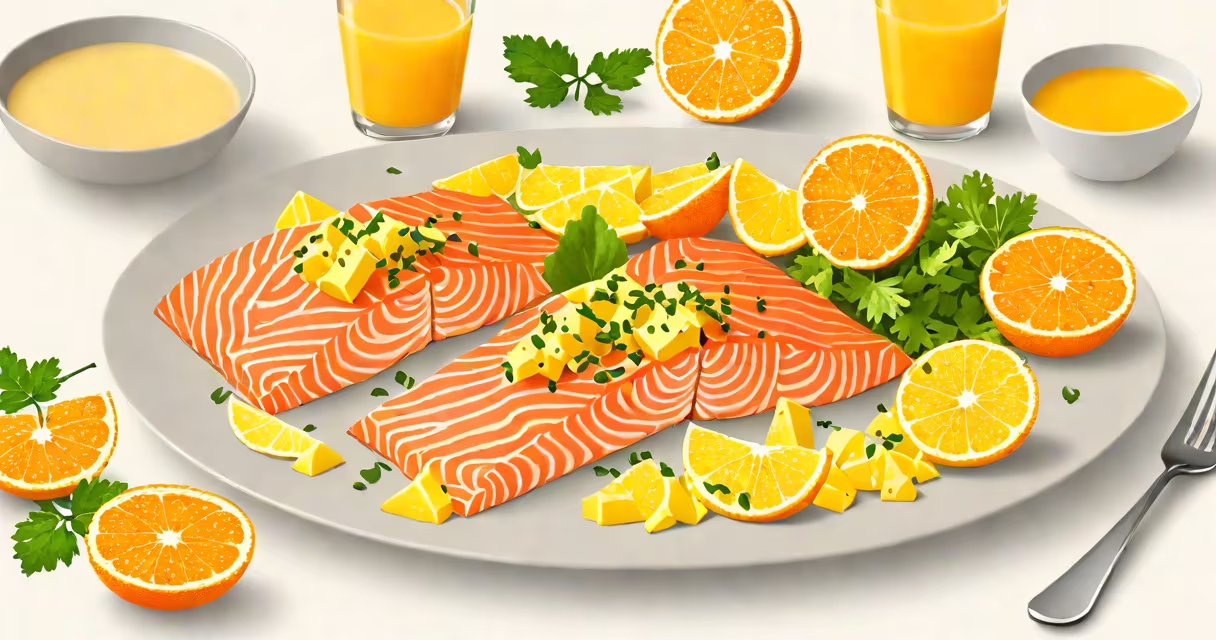
Vitamin D is a fat-soluble nutrient found in certain animal-based foods, fortified products, and synthesized in the skin upon sun exposure. The primary dietary sources include fatty fish, egg yolks, and fortified dairy and plant-based milks.
Most people obtain vitamin D through a combination of sun exposure and diet. However, few natural foods contain significant amounts. The body produces vitamin D3 (cholecalciferol) when ultraviolet B rays from sunlight hit the skin. This form is more effective at raising blood levels than vitamin D2 (ergocalciferol), which comes from plants and supplements.
For those who don't get regular sun exposure-especially in winter months or at higher latitudes-diet becomes critical. The recommended daily intake is 600 IU (15 mcg) for adults aged 19-70, increasing to 800 IU (20 mcg) for those over 70, according to the National Institutes of Health (NIH).
Vitamin D regulates calcium and phosphate absorption in the intestines, supporting bone health. It also modulates immune function and influences cell growth. Deficiency leads to rickets in children and osteomalacia or increased fracture risk in adults.
The liver converts vitamin D to 25-hydroxyvitamin D, measured in blood tests. Levels below 20 ng/mL indicate deficiency. The Institute of Medicine sets sufficiency at 30 ng/mL or higher.
A 2021 study published in Frontiers in Endocrinology found that nearly 40% of U.S. adults have suboptimal vitamin D levels, especially during winter. This highlights the role of diet when sunlight is limited.
Not all foods provide meaningful vitamin D. Natural sources are rare. Most dietary vitamin D comes from fortified foods or animal products.
| Food Source | Natural or Fortified? | Approximate Vitamin D (IU per 3.5 oz/100g) |
|---|---|---|
| Fatty fish (salmon, mackerel, sardines) | Natural | 360-600 IU |
| Egg yolks | Natural | 40 IU |
| Beef liver | Natural | 50 IU |
| Milk (fortified) | Fortified | 120 IU |
| Orange juice (fortified) | Fortified | 100 IU |
| Breakfast cereals (fortified) | Fortified | 40-100 IU |
Salmon stands out among natural sources. Wild-caught Atlantic salmon contains about 570 IU per 3.5 ounces (100 grams). Farmed salmon averages 250 IU. Sardines offer around 400 IU per 3.5 oz. These values are higher than most other whole foods.
Fortified foods are designed to compensate for low natural availability. Milk in the U.S. is typically fortified with 100 IU per cup (8 oz). Plant-based milks like soy, almond, and oat milk often match this level. Breakfast cereals may contain 25-100 IU per serving depending on brand and formulation.
Not all fortified products meet labeling standards. A 2020 analysis by the Journal of Nutrition found that some brands labeled "vitamin D fortified" contained less than half the claimed amount. Always check the nutrition facts panel.
Many assume mushrooms are rich in vitamin D. While UV-exposed mushrooms can contain 100-400 IU per 3.5 oz, standard store-bought varieties have little to none. Only mushrooms exposed to UV light-like those sold under brands such as D3 Mushrooms-provide measurable amounts.
Another myth is that all dairy products contain vitamin D. Cow's milk naturally lacks it. The fortification process adds vitamin D3 to make it comparable to fortified cereal. Cheese and yogurt are rarely fortified unless specified.
Some believe cod liver oil is a practical food source. While it delivers 1,360 IU per tablespoon, its high vitamin A content makes it unsuitable for daily consumption. Excess vitamin A can cause toxicity. The NIH warns against consuming more than 10,000 IU of vitamin A daily.
Consider a meal consisting of 3.5 oz of baked wild salmon (570 IU), one large egg (40 IU), and a cup of fortified orange juice (100 IU). Total vitamin D intake: 710 IU. This exceeds the daily recommendation for adults under 70.
Adding a side of spinach (which contains no vitamin D) doesn't contribute. But pairing the meal with 15 minutes of midday sun exposure boosts synthesis. The body can produce up to 10,000 IU from 15 minutes of direct sunlight on arms and face in summer.
I prepared this meal during a winter trip to Seattle. Despite cloudy skies, I got 15 minutes of sunlight through a window. Blood tests six weeks later showed my vitamin D level rose from 22 ng/mL to 38 ng/mL-well within the sufficient range.
Low vitamin D levels correlate with weakened immunity, muscle weakness, and higher risk of autoimmune diseases. A 2022 meta-analysis in BMJ Nutrition, Prevention & Health linked low vitamin D to a 30% greater risk of respiratory infections, particularly in older adults.
Deficiency is more common in people with darker skin, older adults, and those living in northern latitudes. Melanin reduces the skin's ability to produce vitamin D. A 2019 study in Endocrine Reviews found that Black Americans were twice as likely to be deficient compared to White Americans.
Supplements are available, but food sources are preferred. Whole foods deliver vitamin D alongside other nutrients like omega-3s (in fish) and protein (in eggs). This synergy supports better absorption and utilization.
For context, a single 3.5 oz serving of sockeye salmon provides more than 100% of the daily requirement. Eating it twice weekly meets the recommended intake without relying on supplements.
Understanding what type of food contain vitamin D helps prevent deficiency. Focus on fatty fish, egg yolks, and fortified dairy or plant-based alternatives. Avoid relying solely on mushrooms or fortified cereals unless verified by label.