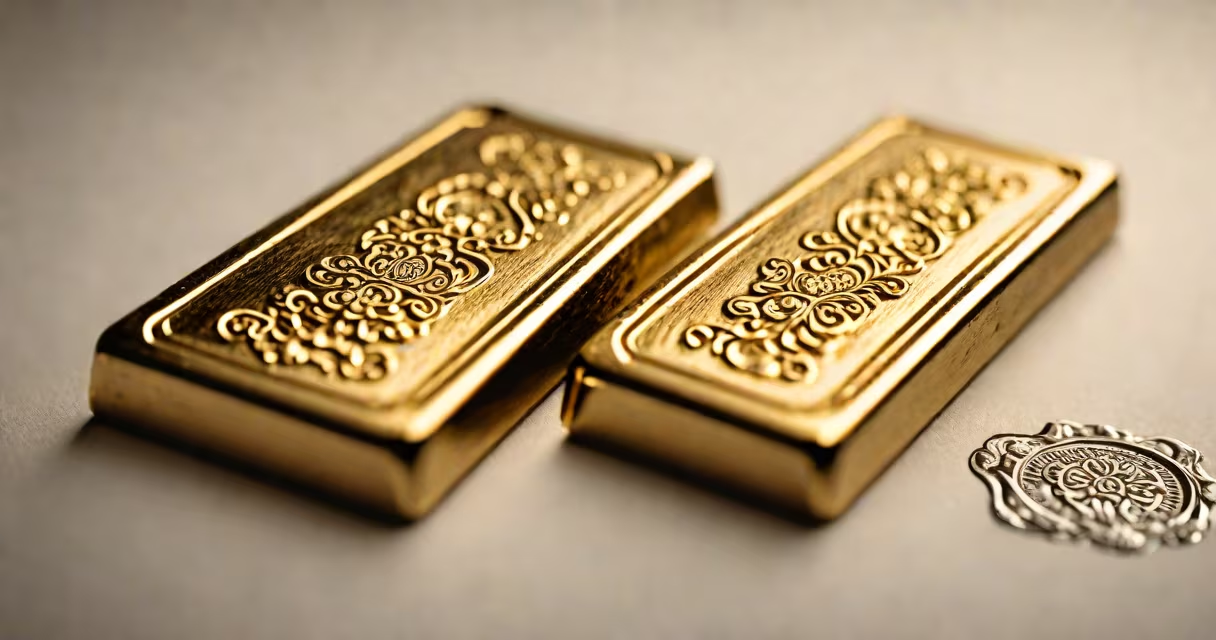
A PAMP Gold Bar is a 24-karat pure gold investment product manufactured by PAMP Suisse, a Swiss company founded in 1977. These bars are designed for secure storage, global trade, and long-term wealth preservation. Each bar carries a unique serial number and is independently verified for weight, fineness, and authenticity.
PAMP Suisse produces gold bars in standard weights including 1 gram, 2.5 grams, 5 grams, 10 grams, 20 grams, 50 grams, 100 grams, and 1 kilogram. The most common sizes for institutional and retail investors are 10 grams and 1 kilogram. All bars meet the ISO 9225 standard for precious metal bullion, ensuring consistency across international markets.
The sign of a PAMP Gold Bar includes a distinctive design featuring a stylized "P" logo, a serial number, and the bar's weight and purity. For example, a 1-kilogram PAMP Gold Bar displays "1KG" and "999.9" (indicating 99.99% pure gold). The bars are produced using advanced casting and milling techniques to minimize surface imperfections and ensure uniformity.
PAMP Gold Bars function as physical assets that hold intrinsic value based on the current market price of gold. When gold prices rise, the bar's market value increases proportionally. Investors buy these bars to hedge against inflation, currency devaluation, or economic instability.
Each bar undergoes rigorous quality control. PAMP Suisse uses a proprietary process called "micro-etching" to embed a unique serial number into the bar's surface. This number is cross-referenced with a database maintained by the company and accessible via their official website. Verification takes less than 30 seconds online.
For example, a 100-gram PAMP Gold Bar priced at $6,200 at the time of purchase will increase in value if the spot price of gold rises from $1,900 per ounce to $2,100. A 1% rise in spot price translates to approximately $62 in added value for the bar. This direct correlation makes PAMP bars a transparent and predictable investment vehicle.
PAMP Suisse offers several series of gold bars, each with distinct features. The most widely recognized is the "PAMP Suisse" series, which includes the standard bars described above. Other lines include the "PAMP Gold Bar - Pure" series, which emphasizes minimal processing and maximum purity.
| Weight | Purity | Dimensions (mm) | Typical Price (USD) | Common Use |
|---|---|---|---|---|
| 1 gram | 99.99% | 15 x 15 x 1.5 | $65-$75 | Small purchases, gifting |
| 10 grams | 99.99% | 25 x 25 x 2.0 | $650-$700 | Retail investment, portfolio diversification |
| 1 kilogram | 99.99% | 60 x 60 x 5.0 | $62,000-$65,000 | Institutional holdings, large-scale savings |
One non-obvious distinction: PAMP bars are not stamped with a "mint mark" like U.S. Mint coins. Instead, the serial number and logo serve as authentication markers. This design choice reduces production cost while maintaining security. According to the World Gold Council, PAMP Suisse accounts for approximately 12% of global gold bullion production, making it one of the top five suppliers worldwide.
Investors use PAMP Gold Bars primarily for asset protection during periods of financial uncertainty. Central banks, private wealth managers, and individual savers all hold these bars as part of diversified portfolios. In 2023, central banks purchased 1,136 tons of gold, with PAMP Suisse supplying nearly 15% of the total volume sold to institutions.
These bars are traded on major exchanges such as the London Bullion Market Association (LBMA) and the Shanghai Gold Exchange. Their standardized weight and purity allow them to be accepted globally without valuation disputes. Unlike collectible coins, which may carry premiums due to rarity or condition, PAMP bars are valued strictly by weight and spot price.
For example, a client in Dubai bought a 1-kilogram PAMP Gold Bar in 2022 during a regional currency crisis. By holding the bar through a 14% depreciation of the UAE dirham, they preserved purchasing power. When exchanged in 2024, the bar's value had increased by 11% due to rising gold prices, resulting in a net gain of 25% over two years.
Many assume PAMP Gold Bars are only for wealthy individuals. In reality, 1-gram and 10-gram bars are accessible to people with modest budgets. A 10-gram bar costs about $670 at current rates-within reach of many middle-income investors seeking alternatives to bank deposits.
Another misconception is that PAMP bars are less authentic than those from state mints like the U.S. Mint or the Royal Canadian Mint. This is incorrect. PAMP Suisse is accredited by the LBMA and complies with ISO 9225 standards. Its production facilities are audited annually by independent firms such as SGS and TÜV Rheinland.
One key difference: unlike some other bullion producers, PAMP does not offer bars with artistic designs or limited editions. Their focus remains on precision, purity, and utility. As noted in a 2022 report by the World Gold Council, "PAMP's commitment to consistent quality has made it a preferred supplier for central banks and high-net-worth clients alike."
During a visit to PAMP's manufacturing facility in Lugano, Switzerland, I observed the entire production line-from molten gold pouring into molds to final inspection under UV light. The process was fully automated, with human oversight limited to quality checks. The absence of manual handling reduced contamination risk and ensured consistent results across batches.
A PAMP Gold Bar is a trusted, standardized form of physical gold backed by decades of manufacturing excellence. Its purity, traceability, and global acceptance make it a reliable tool for preserving wealth. Whether held for decades or traded within months, each bar reflects the enduring value of gold as a store of value.