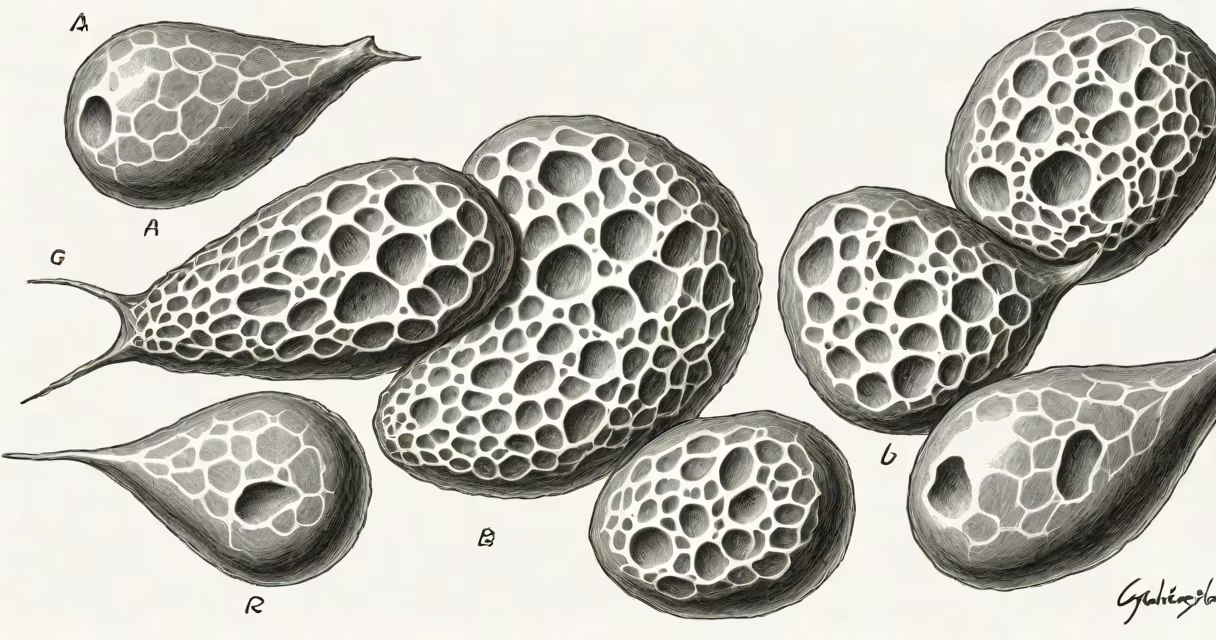
Gallstones form when substances in bile-primarily cholesterol or bilirubin-crystallize and harden into solid particles inside the gallbladder. These stones can range from tiny specks to large, pea-sized masses. They develop slowly over months or years and may remain asymptomatic until blocking bile flow.
Bile, produced by the liver and stored in the gallbladder, aids fat digestion. When bile composition becomes imbalanced-either too high in cholesterol or bilirubin-it can no longer dissolve these substances fully. The excess precipitates into crystals, which grow into stones. Most gallstones are cholesterol-based (about 80%), while others are pigment stones formed from bilirubin, a breakdown product of red blood cells.
Cholesterol stones form when the liver secretes too much cholesterol into bile, or when the gallbladder doesn't empty properly. Pigment stones occur when there's excessive bilirubin, often due to liver disease, hemolytic anemia, or infections. Both types can cause pain, inflammation, or complications like cholecystitis or bile duct obstruction.
The process begins in the liver, where bile is synthesized. Bile contains water, electrolytes, cholesterol, phospholipids, bile acids, and bilirubin. For bile to stay liquid, these components must remain in balance. When cholesterol exceeds the solubilizing capacity of bile acids and lecithin, it precipitates out. This initial phase is called supersaturation.
Once cholesterol crystals form, they aggregate into microcrystals. Over time, these clump together and grow into larger stones. The gallbladder's ability to contract and empty bile regularly prevents stagnation. If it fails to do so-due to prolonged fasting, rapid weight loss, or hormonal changes-bile thickens, increasing the chance of crystal formation.
Pigment stones form differently. Bilirubin is released during red blood cell breakdown. Normally, the liver processes it into a water-soluble form excreted in bile. But in conditions like cirrhosis or sickle cell disease, bilirubin levels rise. Unconjugated bilirubin is insoluble and can precipitate into black or brown pigment stones.
Several well-documented risk factors increase the likelihood of gallstone development. Women are twice as likely as men to develop them, especially during pregnancy or with hormone replacement therapy. Estrogen increases cholesterol secretion into bile and reduces gallbladder motility.
Age, obesity, and rapid weight loss are major contributors. A 2022 study published in Journal of Hepatology found that individuals with BMI above 30 had a 3.5 times higher risk of developing symptomatic gallstones compared to those with normal BMI. Rapid weight loss-such as after bariatric surgery-leads to increased cholesterol secretion and reduced gallbladder emptying, raising stone formation rates by up to 40%.
Other triggers include diabetes, fasting, and certain medications. Metformin users have a slightly elevated risk, though the mechanism remains unclear. Oral contraceptives and hormone therapy also raise risk by altering bile composition.
| Type | Composition | Prevalence | Common Causes |
|---|---|---|---|
| Cholesterol stones | Cholesterol-rich, yellow-white | ~80% | Supersaturated bile, poor gallbladder emptying |
| Pigment stones (black) | Bilirubin and calcium salts | ~10% | Liver disease, hemolysis, infection |
| Pigment stones (brown) | Bilirubin, calcium, bacterial enzymes | ~10% | Biliary tract infections, stasis |
One non-obvious fact: gallstones don't always form in the gallbladder. Up to 15% originate in the common bile duct or intrahepatic ducts. These are harder to detect and often require MRI or ERCP (endoscopic retrograde cholangiopancreatography) for diagnosis.
Many assume gallstones result from eating fatty foods. While a high-fat diet may trigger symptoms in people who already have stones, it does not cause them directly. The primary driver is biochemical imbalance in bile, not dietary fat intake.
Another myth is that gallstones always cause severe pain. In reality, about 60% of people with gallstones never experience symptoms. These are called "silent stones" and are often discovered incidentally during imaging for unrelated issues.
Some believe gallstones are purely genetic. While family history increases risk-especially for pigment stones-environmental and lifestyle factors play a stronger role. A 2021 review in World Journal of Gastroenterology noted that genetics account for only 20-30% of gallstone susceptibility, with diet, weight, and metabolic health being dominant influences.
A 45-year-old woman with type 2 diabetes and a 30-pound weight loss over six months developed sudden right upper quadrant pain after meals. An ultrasound revealed multiple cholesterol stones, ranging from 0.8 cm to 1.5 cm. Her bile was supersaturated with cholesterol, confirmed via analysis. She had no prior history of gallbladder issues.
Her condition stemmed from rapid weight loss, which reduced gallbladder contraction frequency and increased cholesterol secretion. Her diabetes contributed to altered bile acid metabolism. After surgical removal of the gallbladder (cholecystectomy), her symptoms resolved completely.
She later learned that her mother had similar stones, confirming a familial pattern-but the environment, not genes alone, triggered the disease.
Not all gallstones require treatment. Asymptomatic cases are monitored rather than managed. But if pain occurs-especially after fatty meals, lasting more than 30 minutes, or radiating to the shoulder-medical evaluation is essential.
Complications such as jaundice, fever, or persistent nausea indicate possible obstruction or infection. These require urgent care. Early intervention reduces risks of pancreatitis or sepsis.
While gallstones are common-around 10-15% of adults in the U.S. have them-they are preventable through stable weight management, balanced diets, and regular medical checkups. Knowing the true causes helps separate myth from science.