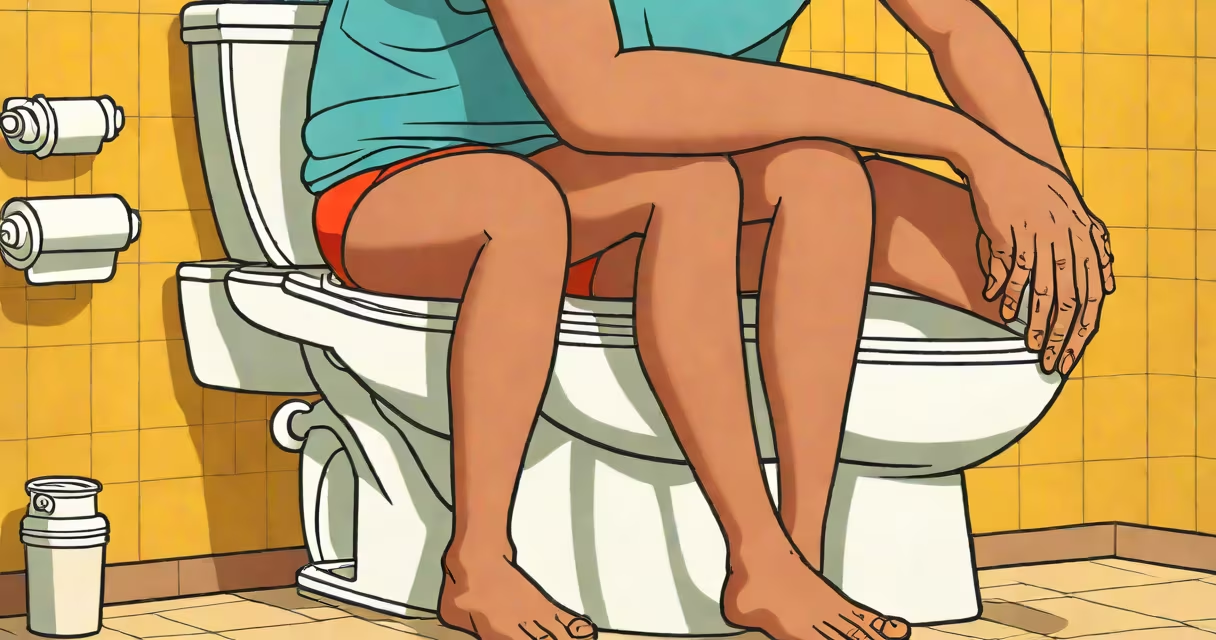
Constipation means infrequent or difficult bowel movements, but it doesn't eliminate them entirely. When constipated, you may still pass stool-often hard, dry, and painful-due to prolonged retention in the colon and water absorption.
Constipation occurs when stool moves too slowly through the large intestine. The colon absorbs excess water from undigested food, turning soft waste into firm, dense material. This process slows under conditions like low fiber intake, dehydration, sedentary behavior, or certain medications. The result isn't absence of bowel movements-it's altered ones.
A 2021 study published in The American Journal of Gastroenterology found that nearly 16% of adults report constipation symptoms annually, with many experiencing incomplete evacuation despite regular attempts. The sensation of needing to go, combined with straining and discomfort, confirms that defecation still happens-even when it feels blocked.
Normal transit time through the colon is 12 to 48 hours. With constipation, this extends to 72 hours or longer. As stool sits, the colon continues absorbing water, increasing density and reducing volume. What begins as soft feces becomes compacted, often forming lumps or pellets.
Straining during defecation increases intra-abdominal pressure. This forces the rectum to contract, pushing hardened stool out. But because the stool is dense and irregular, it can cause anal fissures or hemorrhoids. A 2019 review in Frontiers in Physiology noted that chronic straining correlates with increased risk of rectal prolapse and pelvic floor dysfunction.
Even when stool is difficult to pass, nerve signals from the rectum still trigger the urge to defecate. The brain receives input from stretch receptors in the intestinal wall. When distension reaches threshold levels, the defecation reflex activates-though it may fail due to muscle coordination issues or psychological factors like anxiety around using public restrooms.
Stool consistency shifts dramatically during constipation. The Bristol Stool Scale classifies stool into seven types, with Types 1 and 2 indicating constipation. Type 1 is separate hard lumps, like nuts. Type 2 is sausage-shaped but lumpy. These forms result from excessive water absorption and reduced bulk.
| Bristol Type | Appearance | Association |
|---|---|---|
| 1 | Separate hard lumps | Severe constipation |
| 2 | Sausage-shaped, lumpy | Mild to moderate constipation |
| 3 | Sausage-shaped, cracks on surface | Borderline normal |
| 4 | Smooth, snake-like | Optimal |
Medical literature distinguishes between functional constipation (no structural cause) and obstructive constipation (due to tumors, strictures, or volvulus). Functional cases account for over 90% of diagnoses, according to the Rome IV criteria. Obstructive causes require imaging or endoscopy for confirmation.
Many assume constipation means "no pooping." That's incorrect. You can be constipated and still have daily bowel movements-just with abnormal consistency. Some people report passing small amounts of mucus or liquid stool around hard masses, a condition called overflow diarrhea.
Overflow diarrhea occurs when liquid stool leaks around a solid blockage in the colon. This happens in about 10% of chronic constipation cases, per research in Neurogastroenterology & Motility. It's not a sign of improved digestion-it's a symptom of incomplete evacuation.
Another misconception: constipation always requires laxatives. Not true. Lifestyle changes such as increasing dietary fiber to 25-30 grams per day, drinking 1.5-2 liters of water daily, and engaging in 30 minutes of walking daily improve transit time in 70% of patients, according to a 2020 randomized trial in Alimentary Pharmacology & Therapeutics.
In 2022, a 45-year-old woman reported six months of infrequent bowel movements, abdominal bloating, and pain. She passed stool every 3-4 days, often with straining. Her Bristol Stool Scale score was consistently Type 1. Colonoscopy showed no structural abnormalities. Blood tests ruled out hypothyroidism and electrolyte imbalances.
She began a regimen of 30 grams of soluble fiber daily (from oats and psyllium husk), increased water intake to 1.8 liters per day, and walked 30 minutes daily. After four weeks, her bowel frequency rose to every 1.5 days, and stool consistency improved to Type 3. No medication was needed.
This case illustrates that constipation management often hinges on hydration, fiber, and activity-not pharmaceuticals. The body still produces stool when constipated; the issue lies in transit speed and consistency.
Constipation affects more than bowel habits. It impacts quality of life. A 2023 survey by the National Institute of Diabetes and Digestive and Kidney Diseases found that 62% of individuals with chronic constipation reported reduced work productivity and social withdrawal due to fear of bowel urgency.
Some people mistake constipation for weight gain. While stool weighs about 100-200 grams per day, it contributes minimally to body mass. A 2017 study in Obesity Research & Clinical Practice confirmed that stool weight fluctuates less than 1% of total body weight, even during prolonged retention.
Constipation isn't a standalone diagnosis. It's a symptom. Underlying causes include irritable bowel syndrome (IBS-C), medication side effects (e.g., opioids, antacids with aluminum), neurological disorders (like Parkinson's disease), and hormonal imbalances (e.g., hypercalcemia).
What makes you poop when constipated is the same physiological process that occurs during normal defecation: colonic contractions, rectal distension, and neural signaling. The difference lies in stool texture and frequency. Hard, dry stools form due to prolonged transit and water absorption.
Constipation doesn't mean no bowel movement-it means altered movement. Recognizing this distinction prevents unnecessary panic and guides effective treatment. Addressing diet, hydration, and physical activity resolves most cases without medication.