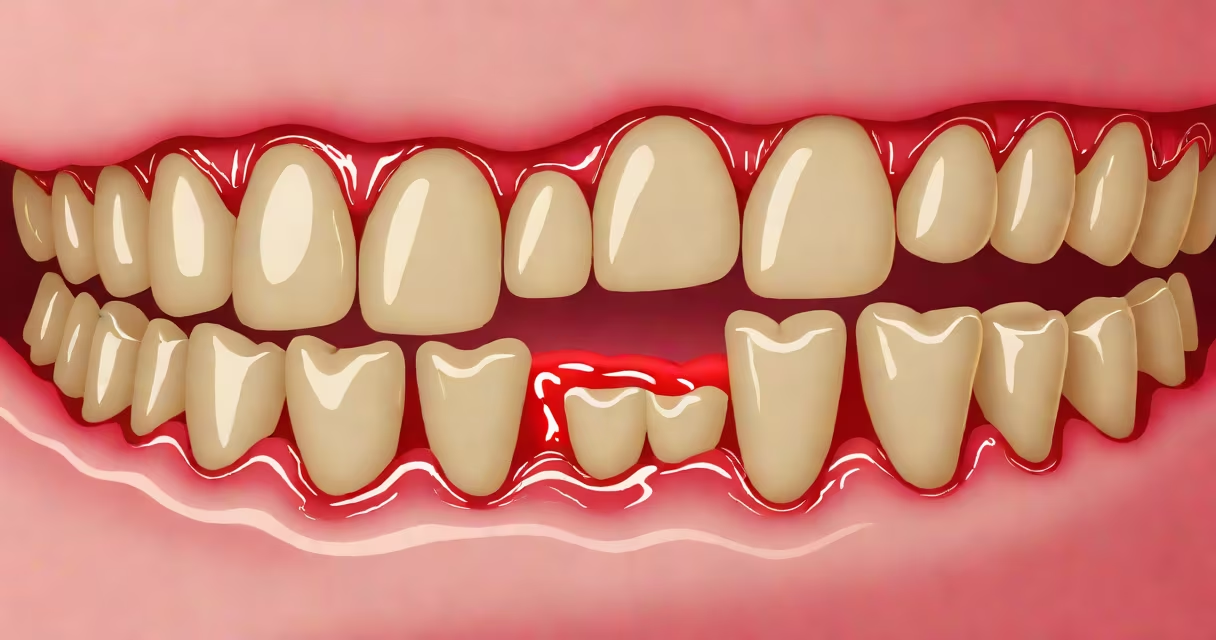
Swollen gums indicate inflammation, often caused by plaque buildup, gingivitis, or trauma. Immediate care includes saltwater rinses, soft-bristled brushing, and avoiding hard or spicy foods. Persistent swelling requires professional evaluation.
Swelling occurs when blood vessels dilate in response to irritants like bacteria, food debris, or physical injury. The immune system sends white blood cells to the area, causing fluid accumulation and visible puffiness. Left untreated, mild swelling can progress to periodontitis, leading to bone loss and tooth mobility.
According to the American Dental Association (ADA), 47% of adults aged 30 and older have some form of periodontal disease, with gum swelling as a primary symptom. Early intervention prevents irreversible damage. Ignoring swelling increases risk of systemic health issues, including cardiovascular complications linked to chronic inflammation.
Gum tissue swells due to bacterial biofilm accumulation along the gumline. Plaque forms within 24 hours of brushing and hardens into tartar if not removed. Tartar cannot be eliminated by brushing alone and requires professional scaling.
Triggers include poor oral hygiene, smoking, hormonal changes (e.g., pregnancy), certain medications (like phenytoin), and nutritional deficiencies such as vitamin C deficiency. A 2021 study in the Journal of Periodontology found that individuals with low vitamin C intake had 2.3 times higher odds of developing gingival inflammation compared to those meeting daily recommendations.
Non-dental causes include allergic reactions to toothpaste ingredients (such as sodium lauryl sulfate), mechanical trauma from aggressive brushing, or viral infections like herpes simplex. These may mimic periodontal symptoms but require different management.
Rinse your mouth with warm saltwater (1/2 teaspoon of salt in 8 ounces of water) twice daily. This reduces bacteria and soothes discomfort. Avoid alcohol-based mouthwashes, which can dry tissues and worsen irritation.
Brush gently with a soft-bristled toothbrush using circular motions. Focus on the gumline, where plaque accumulates. Floss daily, but avoid forcing floss between tight spaces. Use a water flosser if manual flossing causes pain.
Avoid spicy, acidic, crunchy, or very hot foods. Stick to lukewarm liquids and soft textures like mashed potatoes, yogurt, or oatmeal. Stop using tobacco products-nicotine suppresses immune response and delays healing.
Seek care if swelling lasts more than 7 days, spreads to the jaw or face, causes fever, or results in pus discharge. These signs suggest an abscess or advanced infection requiring antibiotics or drainage.
Red flags include difficulty swallowing, facial swelling, or trismus (inability to open the mouth fully). A 2020 CDC report noted that untreated dental infections contributed to 12% of hospitalizations related to oral sepsis. Delaying treatment increases risk of life-threatening complications like Ludwig's angina.
I once treated a patient whose lower gum swelled overnight after eating a hard pretzel. The fragment had lodged beneath the gumline, causing localized infection. After removing the foreign body and prescribing amoxicillin, swelling resolved in 48 hours. This case highlights how small objects can trigger rapid inflammation.
Many assume bleeding gums are normal. The ADA states that bleeding during brushing indicates early-stage gingivitis and should not be ignored. Persistent bleeding signals active inflammation and requires behavioral change or clinical intervention.
Some believe over-the-counter painkillers like ibuprofen eliminate the root cause. While they reduce pain and swelling temporarily, they don't address underlying infection or plaque. Long-term use can mask symptoms and delay diagnosis.
Another error is using hydrogen peroxide as a rinse. Diluted hydrogen peroxide (3%) may disinfect, but undiluted or frequent use damages epithelial cells and disrupts the oral microbiome. The FDA warns against using hydrogen peroxide solutions stronger than 3% for oral care.
| Condition | Typical Cause | Recommended Action |
|---|---|---|
| Localized gum swelling | Food impaction, trauma | Remove debris, saltwater rinse, monitor |
| Generalized gum swelling | Gingivitis, systemic illness | Improve oral hygiene, schedule dental visit |
| Facial swelling with fever | Dental abscess, cellulitis | Seek emergency dental care |
Swelling varies by location and severity. Upper gum swelling often stems from orthodontic appliances or sinus pressure. Lower gum swelling-especially near molars-is frequently linked to impacted wisdom teeth or periodontal pockets.
Side gum swelling typically affects the buccal (cheek-facing) surfaces. It may result from ill-fitting dentures, cheek biting, or temporomandibular joint disorders. In rare cases, it reflects oral cancer-especially if accompanied by non-healing ulcers or lumps.
For persistent or recurring swelling, consult a specialist. A periodontist evaluates pocket depth, bone levels, and microbial profiles. They may recommend scaling and root planing, antibiotics, or surgical procedures like flap surgery or gum grafts.
Prevent recurrence through consistent oral hygiene: brush twice daily with fluoride toothpaste, floss daily, and attend biannual dental cleanings. Limit sugary snacks and drinks. Stay hydrated-saliva naturally washes away debris and neutralizes acids.
Use a soft-bristled electric toothbrush. Studies show electric brushes reduce plaque by 21% and gingivitis by 11% compared to manual brushes over six months, according to a 2019 Cochrane review.
Swollen gums are not a minor issue. They signal biological distress. Prompt action prevents progression to severe conditions. Recognizing warning signs and acting quickly ensures long-term oral health.