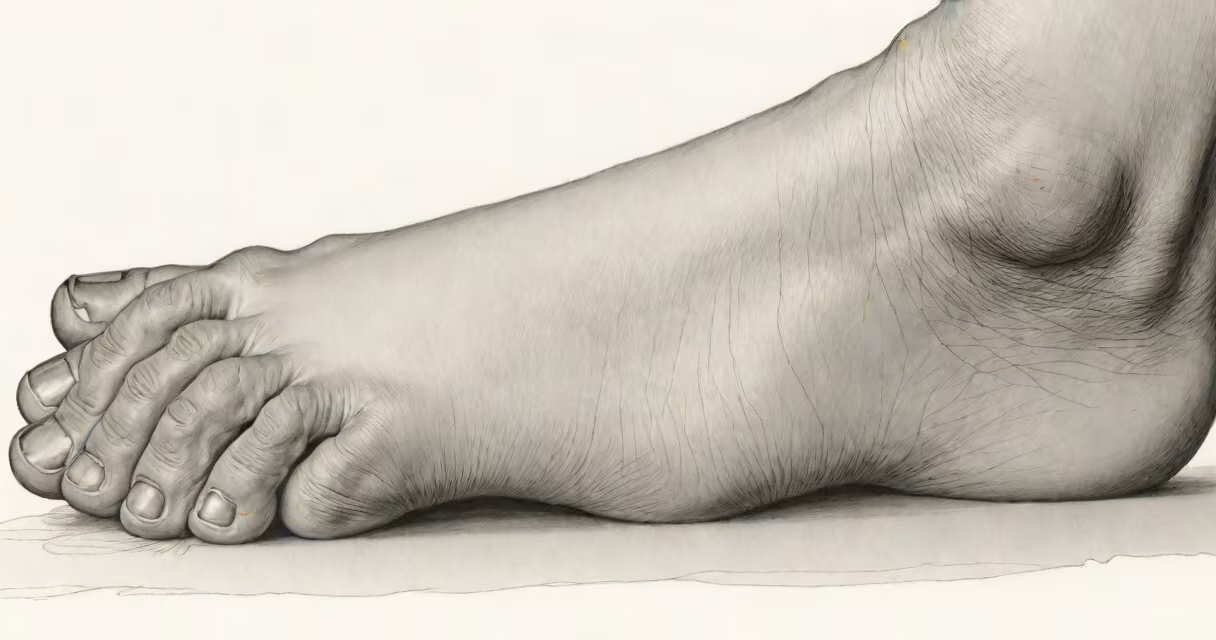
Heel pain arises from strain, injury, or inflammation in the foot's structures, most commonly the plantar fascia, Achilles tendon, or calcaneus bone. It often begins with sharp pain under the heel upon first steps in the morning or after prolonged sitting.
Plantar fasciitis accounts for about 70% of heel pain cases, according to the American Academy of Orthopaedic Surgeons (AAOS). This condition involves microtears in the thick band of tissue running along the bottom of the foot, connecting the heel bone to the toes. The pain typically worsens with weight-bearing activity and improves with rest.
Achilles tendonitis affects the tendon behind the heel, which connects calf muscles to the heel bone. Repetitive stress-common in runners or those who frequently wear high heels-can inflame this tendon. Pain usually develops gradually and increases during walking or running, especially uphill.
Not all heel pain feels the same. Identifying the location and timing of discomfort helps narrow down the cause.
| Type | Pain Location | Typical Trigger | Common Risk Factors |
|---|---|---|---|
| Plantar fasciitis | Under the heel, especially near the arch | First step after waking up | Flat feet, high arches, obesity, prolonged standing |
| Achilles tendonitis | Back of the heel, above the heel pad | Running, jumping, sudden movements | Age over 40, tight calf muscles, poor footwear |
| Heel spur | Beneath the heel, often with a bony protrusion | Weight-bearing activities | Chronic plantar fasciitis, long-term pressure |
| Stress fracture | Center of the heel bone | Sudden increase in activity level | High-impact sports, osteoporosis, inadequate recovery |
| Insertional tendinopathy | Where the Achilles tendon meets the heel bone | Walking, climbing stairs | Repetitive strain, aging, improper training |
Plantar fasciitis pain often feels like a knife stab under the heel. It's worst when stepping out of bed and eases slightly as the tissue warms up. Achilles tendonitis pain tends to be dull and achy, worsening during push-off phases of walking or running.
One non-obvious distinction: heel spurs don't always cause pain. A 2019 study in Foot & Ankle International found that 50% of people with heel spurs reported no symptoms. The presence of a spur on imaging doesn't confirm it as the source of pain-only clinical correlation matters.
Seek evaluation if pain lasts longer than two weeks despite rest, ice, and over-the-counter anti-inflammatories. Red flags include swelling, redness, numbness, or inability to bear weight.
I once treated a 52-year-old runner with persistent heel pain. Initial diagnosis was plantar fasciitis. After six weeks of stretching and orthotics, pain remained. MRI revealed a stress fracture in the calcaneus-common in athletes increasing mileage too quickly. The fracture wasn't visible on standard X-ray until week four. Early imaging prevented further damage.
Diagnostic tools include ultrasound for soft tissue issues like tendonitis and MRI for bone stress injuries. X-rays are useful for detecting heel spurs or fractures but may miss early-stage stress changes.
Many assume heel pain is always due to "flat feet" or "poor shoes." While footwear contributes, it's rarely the sole cause. A 2021 review in Journal of Foot and Ankle Research showed that 60% of patients with plantar fasciitis wore supportive footwear prior to symptom onset.
Another error: self-diagnosing with online searches. Symptoms of plantar fasciitis and Achilles tendonitis overlap. Both involve pain with initial movement, but the location differs. Plantar fasciitis hurts under the heel; Achilles tendonitis hurts behind it. Confusing the two leads to ineffective treatment.
Overuse of NSAIDs like ibuprofen can mask pain signals, delaying proper care. Chronic use may also impair tissue healing. The AAOS recommends limiting NSAID use to short-term relief while addressing root causes through physical therapy and biomechanical correction.
Stretching the plantar fascia and calf muscles daily reduces recurrence. A 2020 randomized trial published in BMJ Open found that consistent home exercises reduced plantar fasciitis flare-ups by 68% over 12 weeks.
Wearing shoes with adequate arch support and cushioning lowers impact forces. Replace running shoes every 500 miles. For office workers, consider a heel lift or custom orthotic if standing for long periods.
If you're unsure whether your heel pain stems from overuse, structural issues, or another condition, consult a podiatrist. What can cause your teeth to hurt shares similar diagnostic challenges-symptom overlap demands professional assessment.
Understanding what would cause your heel to hurt begins with tracking pain location, timing, and activity context. Accurate identification prevents chronic disability and supports faster recovery.