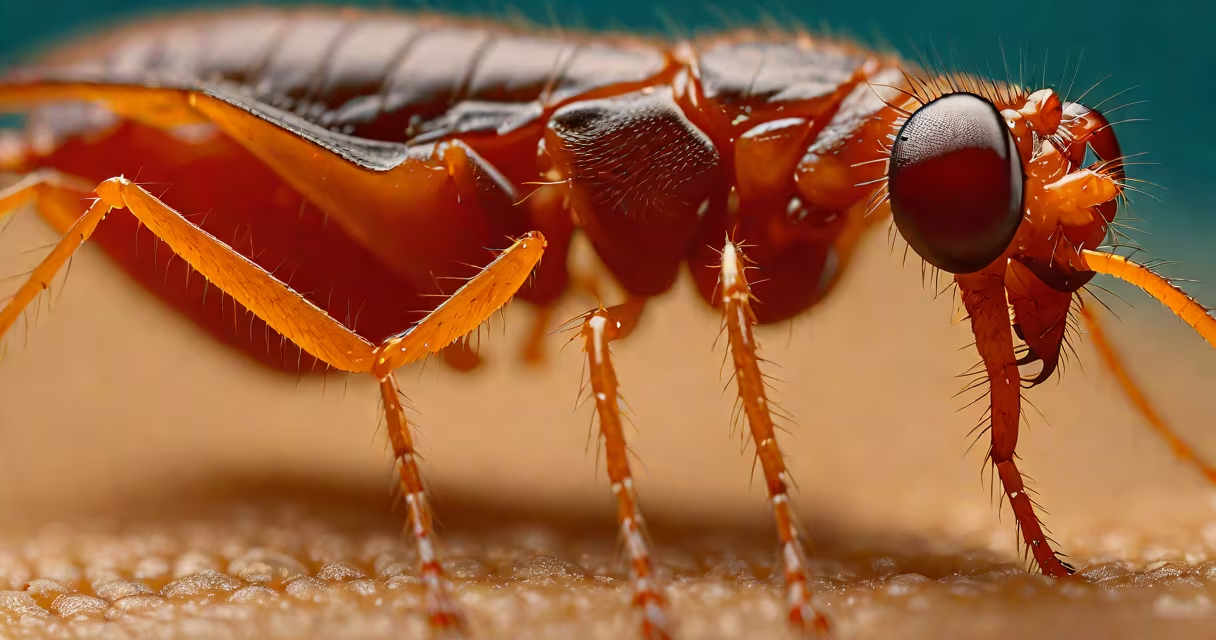
Fleas bite certain people more than others because of individual differences in body odor, carbon dioxide output, and skin temperature. These factors make some hosts easier to detect and more appealing to fleas.
Fleas are small, wingless insects that feed on blood. They rely on heat, movement, and chemical signals to locate hosts. When a flea lands on a potential host, it uses sensory organs to detect warmth and carbon dioxide exhalation. The combination of these cues determines whether the flea attacks.
Studies show that fleas prefer hosts with higher metabolic rates and elevated body temperatures. A person who sweats more or emits stronger body odors may attract fleas more effectively. For example, research published in Medical and Veterinary Entomology found that fleas were more attracted to individuals with higher levels of lactic acid and ammonia in their sweat.
Fleas use a multi-stage detection process. First, they sense vibrations and heat from nearby movement. Once within range, they jump toward the source using useful hind legs capable of propelling them up to 150 times their body length.
Upon landing, fleas probe the skin with their needle-like mouthparts. They inject saliva containing anticoagulants and anesthetics to prevent clotting and reduce pain during feeding. This allows them to feed undetected for up to 30 minutes.
A single female cat flea can lay 20-30 eggs per day. These eggs fall off the host and hatch in dark, warm environments like carpets, bedding, or pet nests. Without treatment, infestations grow rapidly. The CDC reports that untreated flea infestations in homes can lead to persistent biting and secondary infections from scratching.
Three primary species affect humans in North America:
| Flea Type | Primary Host | Human Biting Frequency | Common Habitat |
|---|---|---|---|
| Cat flea (Siphonaptera felis) | Cats and dogs | High (especially near pets) | Household carpets, furniture, pet beds |
| Human flea (Pulex irritans) | Humans and rodents | Moderate (rare in urban areas) | Historically associated with poor sanitation; now uncommon |
| Ground squirrel flea (Oropsylla montana) | Wild rodents | Low (only in rural settings) | Grasslands, burrows, outdoor shelters |
The cat flea is responsible for most human bites in homes. It thrives in indoor environments and can survive up to 14 days without feeding. Its preference for warm-blooded mammals makes it effective at finding human hosts.
Not everyone attracts fleas equally. Your biology plays a key role. Factors include:
A 2019 study in Parasites & Vectors tested 40 volunteers and found that those with higher concentrations of lactic acid in their foot sweat were bitten 3.6 times more often than average. The researchers concluded that bacterial flora on skin influence scent profiles, altering flea attraction.
One non-obvious fact: fleas don't distinguish between people based on appearance. They respond purely to biochemical signals. A person wearing a hat or long sleeves may still be bitten if their feet or neck emit strong odors.
Many assume fleas target people with poor hygiene. This is false. Fleas are drawn to biological traits, not cleanliness. A clean person with high body heat and strong scent can be bitten more than someone less active.
Another myth is that fleas only come from pets. While pets are common carriers, fleas can enter homes via wild animals, guests, or even through ventilation systems. A 2020 report from the University of California Agriculture and Natural Resources noted that 12% of urban flea infestations originated from wildlife such as raccoons or opossums nesting under decks.
Some believe that applying essential oils prevents bites. While certain oils like citronella or eucalyptus have mild repellent effects, they offer only temporary protection. The EPA warns that natural repellents degrade quickly and require frequent reapplication.
In 2022, a family in suburban Chicago reported persistent bites despite regular cleaning. The children were bitten frequently on ankles and wrists. The parents, however, experienced minimal bites.
Testing revealed the home had a cat flea infestation. The cat slept on the bed, and fleas had migrated to the mattress. The children's lower body temperature and higher activity levels made them more visible to fleas. The parents' cooler extremities and less movement reduced detection.
Treatment included washing all bedding in hot water, vacuuming daily for two weeks, and treating the cat with a prescription flea medication. Within 10 days, bites stopped completely.
If you've been bitten, avoid scratching. Scratching can break the skin and introduce bacteria, leading to infection. Clean the area with soap and water, then apply a cold compress to reduce swelling.
Over-the-counter treatments like hydrocortisone cream or calamine lotion help relieve itching. If symptoms persist beyond five days or signs of infection appear-redness, pus, fever-seek medical attention.
For ongoing relief, consider treatment options tailored to insect bites. Preventive measures like sealing entry points, using flea traps, and maintaining low humidity in living spaces reduce future risk.
Understanding why fleas target specific individuals helps break the cycle of bites. Focus on reducing exposure through environmental control and personal protection rather than assuming blame or guilt.