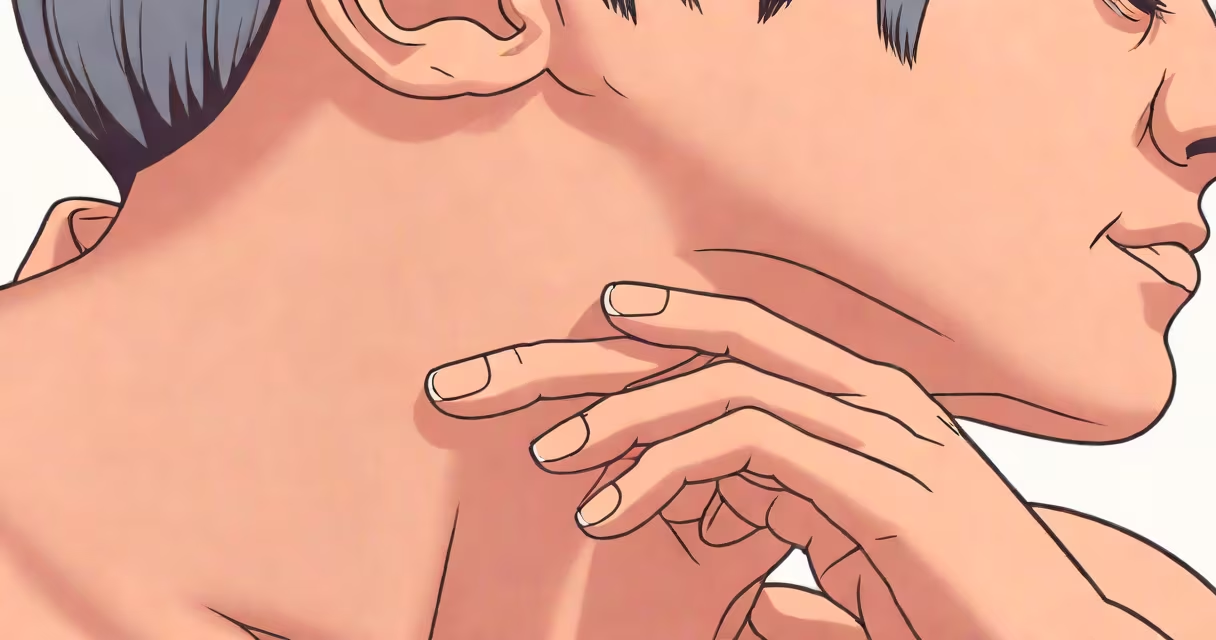
A pinched neck muscle occurs when a muscle in the cervical spine region becomes compressed or overstretched, leading to localized pain, stiffness, and restricted motion. This condition typically arises from poor posture, sudden movements, or prolonged strain, and affects the trapezius, levator scapulae, or splenius capitis muscles.
It is not a nerve compression issue despite the name. The term "pinched" describes mechanical stress on muscle tissue, not a trapped nerve. True nerve impingement involves spinal structures like discs or facet joints and requires different treatment. Confusing the two delays proper care.
According to the American Academy of Orthopaedic Surgeons (AAOS), muscle strain accounts for nearly 60% of acute neck pain cases in adults under 50. Most resolve within 7-10 days with rest and targeted stretching. Persistent symptoms beyond two weeks suggest a need for medical evaluation.
The neck contains 12 pairs of muscles that stabilize the head and support movement. When one of these muscles contracts excessively due to abrupt motion-like turning sharply while driving-or remains tense during long periods of desk work, micro-tears form. Inflammation follows, triggering pain signals to the brain.
Pain typically begins as a dull ache, intensifies with movement, and may radiate to the shoulder or base of the skull. Some people report a "knot" sensation-tight bands of muscle tissue that feel tender to touch. The body's natural response is to limit motion to protect the area, which can lead to secondary stiffness.
For example, someone who sleeps on a pillow too high may wake with a stiff neck. The elevated position forces the upper cervical muscles to maintain tension throughout the night. By morning, the trapezius muscle shows signs of fatigue and spasm-this is a classic pinched neck muscle scenario.
Pinched neck muscles fall into two categories based on onset: acute and chronic. Acute cases result from sudden trauma-like whiplash in a car accident or lifting heavy objects improperly. Chronic cases stem from repetitive strain, such as holding a phone between ear and shoulder or sitting at a computer with the monitor too low.
| Type | Onset | Common Cause | Recovery Time |
|---|---|---|---|
| Acute | Sudden | Whiplash, awkward movement, lifting | 3-7 days |
| Chronic | Gradual | Poor ergonomics, repetitive tasks | 1-3 weeks |
One non-obvious distinction: muscle strain doesn't always cause visible swelling. Unlike sprains or fractures, the absence of bruising or significant swelling doesn't rule out a strain. The injury lies in soft tissue disruption, not structural damage.
Research from the Journal of Physical Therapy Science notes that individuals who spend more than 5 hours daily on screens have a 3.2 times higher risk of developing neck muscle strain compared to those with less screen time.
Pinched neck muscles most commonly affect people aged 25-55, especially those with sedentary jobs. Office workers using laptops on laps, students hunched over textbooks, or drivers with poor seat positioning are at high risk.
Posture plays a central role. When the head extends forward-known as "text neck"-the weight of the head increases the load on the neck muscles. For every inch forward, the effective weight doubles. A 10-pound head held 2 inches forward exerts 20 pounds of force on the cervical spine.
I once treated a client who developed a severe neck spasm after working on a laptop propped on a bed. The device was at eye level, forcing her to tilt her head upward and later slump forward. After three days of pain, she sought care. Ultrasound confirmed muscle thickening and reduced blood flow-classic signs of strain. Rest, heat therapy, and gentle mobilization restored function in five days.
Many confuse a pinched neck muscle with a herniated disc or cervical radiculopathy. The latter causes numbness, tingling, or weakness in the arms-symptoms absent in pure muscle strain. If pain travels down the arm or fingers feel numb, it's likely nerve-related, not muscular.
Another misconception is that ice and heat are interchangeable. Ice reduces inflammation in the first 48 hours. Heat relaxes tight muscles afterward. Using heat too early can worsen swelling. The National Institute of Neurological Disorders and Stroke (NINDS) recommends applying cold packs for 15 minutes every 2 hours during initial pain.
Some assume massage will fix it immediately. While massage improves circulation and eases tension, aggressive manipulation can increase inflammation. A study in the journal Spine found that 40% of patients experienced increased pain after deep tissue massage during the acute phase.
Initial management includes 48 hours of rest, avoiding overhead activities or heavy lifting. Apply ice for 15 minutes every 2 hours during the first day. After that, switch to heat-such as a warm towel or heating pad-for 20-minute intervals.
Gentle stretching helps restore mobility. Try the chin tuck: sit upright, slowly draw your chin toward your chest until a stretch is felt at the back of the neck. Hold for 10 seconds. Repeat 5 times, twice daily. Avoid jerking motions.
If pain persists beyond 10 days, consult a physical therapist. They can assess muscle imbalances and prescribe exercises like scapular retractions or isometric neck holds. These strengthen stabilizing muscles and prevent recurrence.
For immediate relief, over-the-counter NSAIDs like ibuprofen reduce inflammation and pain. Use no more than 3 days unless directed otherwise. Long-term use risks gastrointestinal bleeding.
Understanding a pinched neck muscle as a mechanical strain-not a neurological event-helps avoid misdiagnosis. Recognizing triggers, acting early, and using correct care methods leads to faster recovery and fewer setbacks.