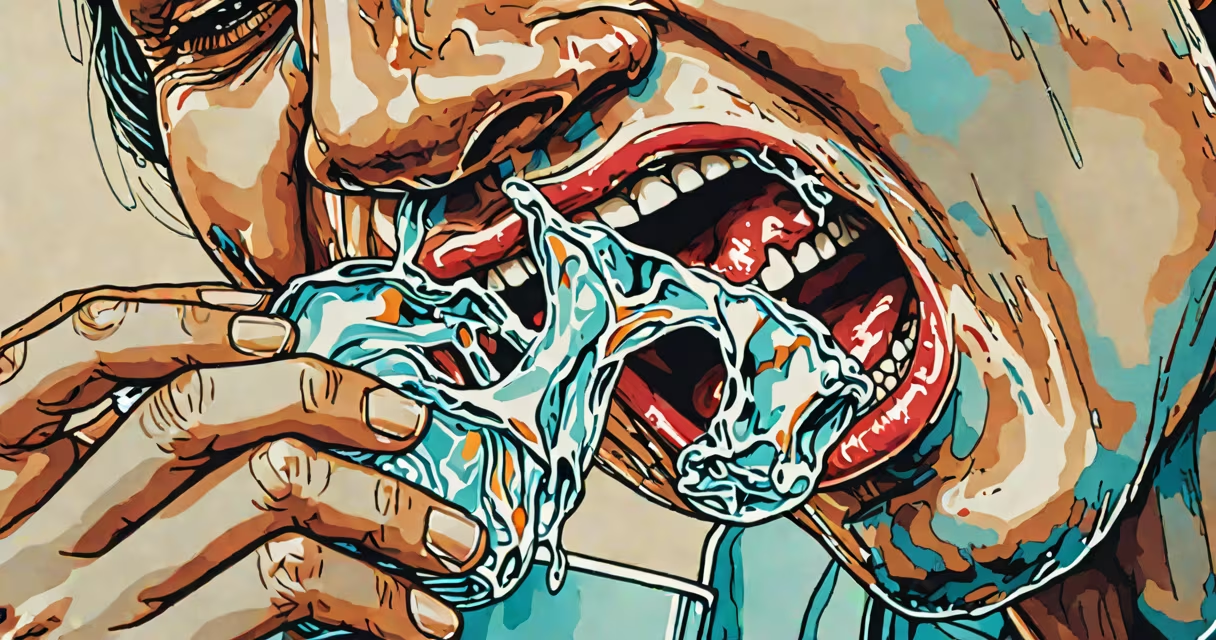
Tooth sensitivity to cold occurs when the protective enamel layer wears away or gum tissue recedes, exposing the underlying dentin. This exposes tiny tubules leading to nerve endings, which react sharply to temperature changes.
When cold substances touch exposed dentin, fluid shifts inside the tubules trigger nerve signals interpreted by the brain as sharp pain. This happens most often with ice water, cold air, or frozen foods. The sensation typically lasts seconds but can persist if the underlying cause isn't addressed.
Common triggers include cold beverages, winter air, or even brushing with hard bristles. While occasional sensitivity is normal, frequent or worsening symptoms indicate a need for evaluation. Ignoring them risks further damage to enamel and dentin.
Dentin lies beneath the enamel and forms the bulk of the tooth. It contains microscopic tubules filled with fluid. When the outer enamel wears down or gums pull back, these tubules become accessible to external stimuli.
Temperature changes cause fluid movement within the tubules. This pressure shift activates nerves connected to the pulp chamber, sending pain signals to the brain. The mechanism is known as the hydrodynamic theory, supported by research from the American Dental Association (ADA).
A 2021 study published in the Journal of Clinical Dentistry confirmed that 37% of adults aged 25-64 report cold sensitivity, with women more likely to experience it than men. The condition is not just discomfort-it's a sign of structural compromise in the tooth.
Several conditions lead to cold sensitivity. The most common are enamel erosion, gum recession, cracked teeth, and recent dental work.
| Type | Primary Cause | Typical Symptoms | Prevalence |
|---|---|---|---|
| Enamel Erosion | Acidic foods, aggressive brushing, acid reflux | Pain with cold drinks, sweets, or air exposure | ~30% of cases |
| Gum Recession | Periodontal disease, aging, improper brushing | Sensitivity along the gumline, visible root surfaces | ~45% of cases |
| Cracked Tooth | Trauma, grinding, chewing hard objects | Pain on biting, sharp response to cold | ~10% of cases |
| Post-Dental Work | Fillings, crowns, whitening treatments | Temporary sensitivity lasting days to weeks | ~15% of patients |
Enamel erosion often begins with frequent consumption of citrus fruits, soda, or energy drinks. These have pH levels below 5.5, which dissolves calcium in enamel. A single 12-ounce soda can lower mouth pH enough to initiate demineralization.
Receding gums expose the cementum layer covering roots. Unlike enamel, cementum doesn't resist acid well. Once exposed, it erodes faster, increasing sensitivity. According to the National Institute of Dental and Craniofacial Research (NIDCR), nearly half of adults over 30 show signs of gum recession.
Many assume cold sensitivity means they have a cavity. But cavities don't always cause cold pain-especially if the decay hasn't reached the nerve. Conversely, people may dismiss mild sensitivity as normal, delaying care until pain worsens.
Another error is thinking sensitivity only affects front teeth. In reality, molars are vulnerable too, especially if enamel thins due to bruxism (teeth grinding). A 2020 clinical review in the European Journal of Oral Sciences found that 68% of patients with nighttime grinding reported cold sensitivity in back teeth.
Some confuse sensitivity with toothache. A toothache involves constant, throbbing pain and may signal infection. Cold sensitivity is usually brief and stimulus-dependent. If pain lingers beyond 30 seconds after removing the cold stimulus, see a dentist promptly.
In 2022, a 34-year-old woman reported sharp pain when drinking cold coffee. She had no history of cavities. On examination, her upper premolars showed exposed dentin due to enamel wear and gingival recession. Her diet included daily citrus juice and carbonated water.
She used a soft-bristled brush and brushed aggressively for 4 minutes twice daily. Saliva testing revealed low buffering capacity, meaning her mouth couldn't neutralize acids effectively. After switching to a fluoride toothpaste with potassium nitrate and reducing acidic intake, her symptoms improved in 14 days.
This case illustrates that multiple factors-diet, oral hygiene habits, and biological makeup-interact to cause sensitivity. Addressing only one factor may not resolve the issue.
Start with a desensitizing toothpaste containing potassium nitrate. It blocks nerve signals in exposed tubules. Use it consistently for at least four weeks. Avoid brushing immediately after consuming acidic foods.
Limit acidic beverages to mealtimes. Rinse with water afterward. Chew sugar-free gum to stimulate saliva flow, which naturally buffers acids. If symptoms persist beyond two weeks, consult a dentist.
I once treated a patient who believed cold sensitivity was normal. After six months of ignoring it, he developed a cracked molar requiring a root canal. He later told me, "I thought it was just my teeth being old." That's why early intervention matters.
Understanding why your teeth feel cold leads to targeted solutions. The sensation isn't just a nuisance-it's a warning sign. Addressing it early prevents deeper damage and avoids costly procedures.