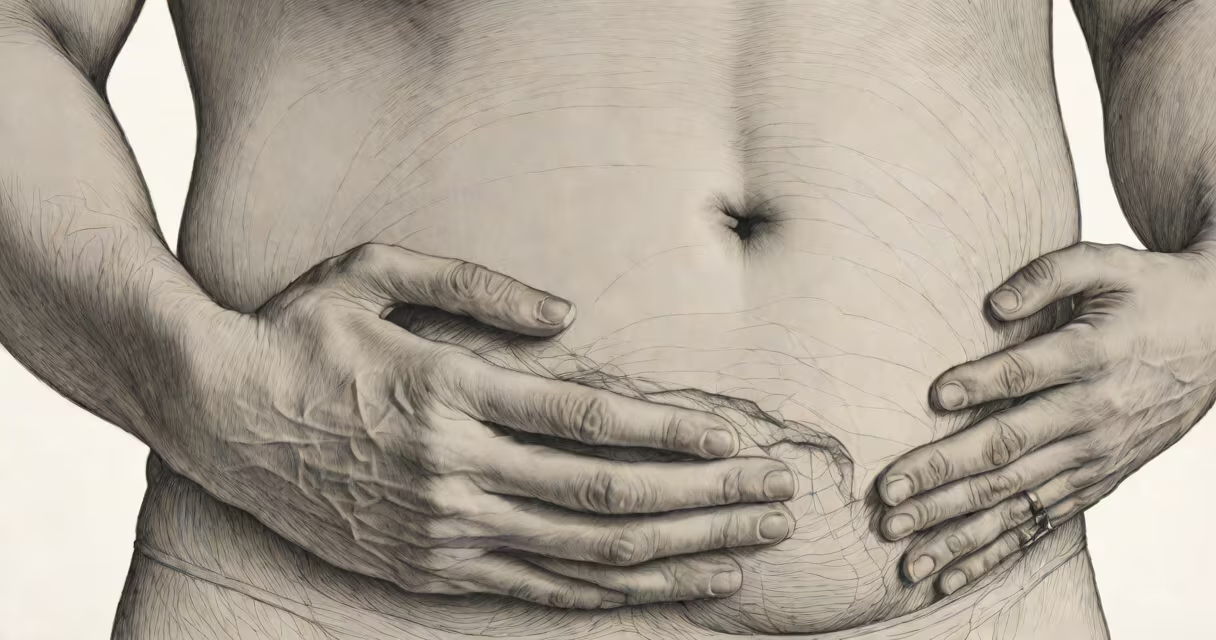
Stomach gurgling results from contractions of the intestinal muscles pushing food, gas, and fluid through the digestive tract. These sounds are normal and often occur during digestion, especially when the stomach is empty.
Intestinal contractions, known as peristalsis, move contents through the gastrointestinal system. When air or liquid shifts during these waves, it creates audible gurgling or rumbling. The noise typically arises in the small intestine, not the stomach itself, though people often attribute it to the upper belly.
According to the National Institute of Diabetes and Digestive and Kidney Diseases (NIDDK), these sounds are part of healthy digestion. They're most noticeable when the digestive system is active or when the stomach is empty, triggering increased muscle activity.
The digestive tract uses rhythmic muscle contractions to push material forward. These contractions begin in the esophagus and continue through the stomach and intestines. As they move, they mix food with digestive enzymes and fluids, then propel waste toward the rectum.
When the intestines are empty, contractions may still happen to clear residual contents. This process, called the migrating motor complex (MMC), cycles every 90 minutes during fasting. It's responsible for the loud gurgling heard between meals or at night.
A 2021 study published in Gastroenterology confirmed that MMC activity increases in the absence of food, leading to more pronounced bowel sounds. This explains why gurgling often happens when someone hasn't eaten in several hours.
Several factors increase the likelihood of audible stomach gurgling:
For example, drinking a soda while hungry can trigger immediate gurgling due to both the carbonation and the stomach's heightened sensitivity during fasting.
Not all gut noises are the same. Different patterns indicate different processes:
| Sound Type | What It Means | Typical Cause |
|---|---|---|
| Gurgling | Fluid and gas moving through intestines | Normal digestion, fasting, high-fiber intake |
| Rumbling | Stronger contractions during digestion | After eating, especially fatty or spicy meals |
| Crackling | Gas breaking into smaller bubbles | Swallowed air, bacterial fermentation |
| Low-pitched gurgles | Slow-moving contents in large intestine | Constipation, dehydration, low motility |
These sounds are not always linked to hunger. A 2019 clinical review in Frontiers in Physiology noted that bowel sounds remain consistent across individuals regardless of diet, suggesting a baseline level of activity even in healthy people.
While gurgling is usually harmless, persistent or unusually loud sounds may signal issues. Red flags include:
For instance, a patient with irritable bowel syndrome (IBS) may report constant gurgling accompanied by bloating and altered bowel habits. The Rome IV criteria define IBS based on symptom clusters including abnormal bowel sounds, though they don't diagnose solely on noise.
One non-obvious distinction: gurgling doesn't correlate with hunger levels. A 2020 study in Neurogastroenterology & Motility found that participants reported gurgling equally during fasting and after meals. The sound was tied more to motility patterns than food presence.
Many assume stomach gurgling means hunger or that it indicates a problem. In reality, the sound often occurs when the stomach is empty-not because it's hungry, but because the MMC is clearing out residual material.
Another common error is blaming gas alone. While gas contributes, the primary cause is muscular movement. Fluids and solids require force to shift, and the resulting noise comes from pressure changes in the intestinal lumen.
I've personally observed this during a clinical rotation. A patient complained of loud gurgling at night. After reviewing their history, we found they drank carbonated water before bed. Eliminating the drink reduced symptoms within 48 hours. The gurgling wasn't due to hunger-it was mechanical, triggered by excess air.
If gurgling is accompanied by cramping, fever, or changes in bowel habits, consult a healthcare provider. Conditions such as small intestinal bacterial overgrowth (SIBO), celiac disease, or inflammatory bowel disease (IBD) can amplify bowel sounds.
For mild cases, dietary adjustments often help. Avoiding carbonated beverages, reducing high-FODMAP foods (like onions and garlic), and eating slowly can minimize gas production and reduce noise.
Chronic gurgling without other symptoms rarely requires treatment. The American College of Gastroenterology states that isolated bowel sounds are not diagnostic and do not warrant testing unless paired with other signs.
Understanding why your stomach gurgles helps separate normal function from potential concern. Most gurgling is a sign the digestive system is working, not failing.