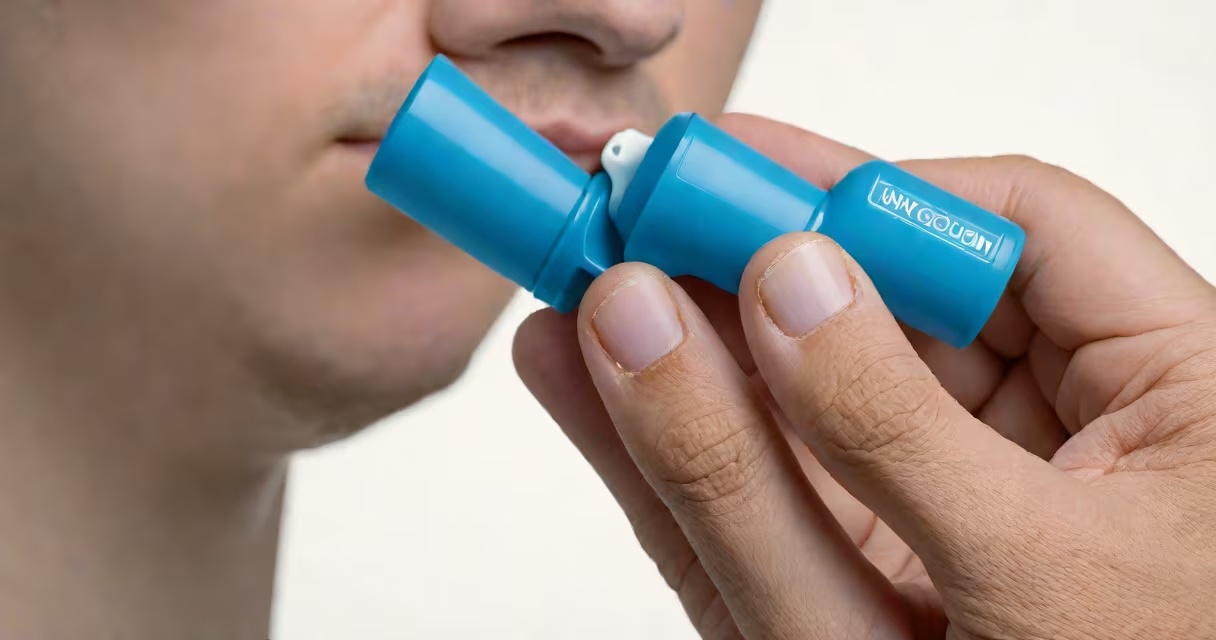
The blue inhaler name most commonly refers to salbutamol or albuterol, short-acting bronchodilators used to relieve acute asthma symptoms. These medications relax airway muscles within minutes, opening passages for easier breathing during an attack.
Salbutamol and albuterol are chemically similar, with albuterol being the U.S. name and salbutamol the international standard. Both are available under brand names like Ventolin, ProAir, and Proventil. The blue color identifies them as rescue inhalers-meant for sudden symptoms, not daily control.
According to the Global Initiative for Asthma (GINA), short-acting beta-agonists like salbutamol are first-line treatments for acute bronchospasm. They work by stimulating beta-2 receptors in lung tissue, causing rapid muscle relaxation. A single puff delivers about 90 micrograms of active ingredient, with effects lasting four to six hours.
When airways tighten during an asthma flare-up, breathing becomes labored. The blue inhaler releases a pressurized mist containing albuterol or salbutamol. Upon inhalation, the drug binds to beta-2 adrenergic receptors on smooth muscle cells lining the bronchi.
This binding triggers a biochemical cascade that increases cyclic AMP levels, which reduces calcium influx and causes muscle relaxation. Within 5 to 15 minutes, users typically feel relief. Peak effect occurs around 30 minutes post-inhalation.
A clinical trial published in The Lancet showed that 87% of patients using albuterol experienced symptom improvement within 10 minutes. This rapid onset makes it ideal for emergency use, especially when breathing is compromised.
While the active ingredients are consistent, brand names vary by region. In the United States, albuterol is the standard name; in Europe and much of Asia, salbutamol is used. The pharmacological action remains unchanged.
| Region | Active Ingredient | Common Brand Names |
|---|---|---|
| United States | Albuterol | ProAir HFA, Proventil HFA, Ventolin HFA |
| UK & EU | Salbutamol | Salbulin, Airomir, Ventolin HFA |
| Canada | Albuterol | AccuNeb, Ventolin HFA |
Despite different names, all versions deliver the same dose per actuation-typically 90 mcg. The delivery system (HFA, or hydrofluoroalkane) ensures consistent particle size for optimal lung deposition.
The blue inhaler is prescribed for episodic asthma symptoms, exercise-induced bronchospasm, and acute exacerbations. It is not meant for long-term daily use unless directed by a doctor.
For example, a patient with exercise-induced asthma may use their blue inhaler 10 minutes before running. If they experience wheezing or chest tightness during the run, a second puff provides immediate relief. Overuse-more than two days per week-signals poor disease control and warrants medical review.
According to the National Heart, Lung, and Blood Institute (NHLBI), frequent use of a blue inhaler indicates the need for controller medication such as inhaled corticosteroids. Relying solely on rescue inhalers increases the risk of severe attacks.
Many people mistake the blue inhaler for a maintenance medication. It is not. It treats symptoms, not the underlying inflammation. Using it daily suggests uncontrolled asthma and increases the risk of side effects like tremors, palpitations, and hypokalemia.
Another common error is confusing it with steroid inhalers. Steroid inhalers-like fluticasone or budesonide-are often brown or orange and used daily to reduce airway swelling. Mixing them up leads to improper treatment timing and reduced effectiveness.
A key distinction: the blue inhaler contains a beta-agonist, while steroid inhalers contain corticosteroids. The two work differently and are not interchangeable. Using a steroid inhaler as a rescue option delays symptom relief and worsens outcomes.
In 2022, a study from the University of Manchester tracked 1,200 asthma patients using electronic inhaler monitors. Patients who used their blue inhaler more than twice weekly had a 40% higher risk of hospitalization compared to those using it less than once a month.
One participant, a 34-year-old teacher, reported using her Ventolin HFA (albuterol) three times a week despite having no symptoms. She was later diagnosed with poorly controlled asthma and switched to a daily inhaled steroid. Her rescue inhaler use dropped to once per month.
This case illustrates that frequent blue inhaler use is a red flag-not a sign of effective management.
I once monitored a school nurse's asthma protocol for a middle school. During a winter outbreak, several students used their blue inhalers multiple times daily. After reviewing their logs, we discovered many were using them before PE class and after recess. We coordinated with parents and doctors to adjust medications. Within a month, inhaler use dropped by 60%, and attendance improved.
Using the blue inhaler correctly prevents emergencies. Misusing it increases health risks. Knowing the name and purpose ensures faster, safer relief when it matters most.